The Shared Display Creates a Side Channel
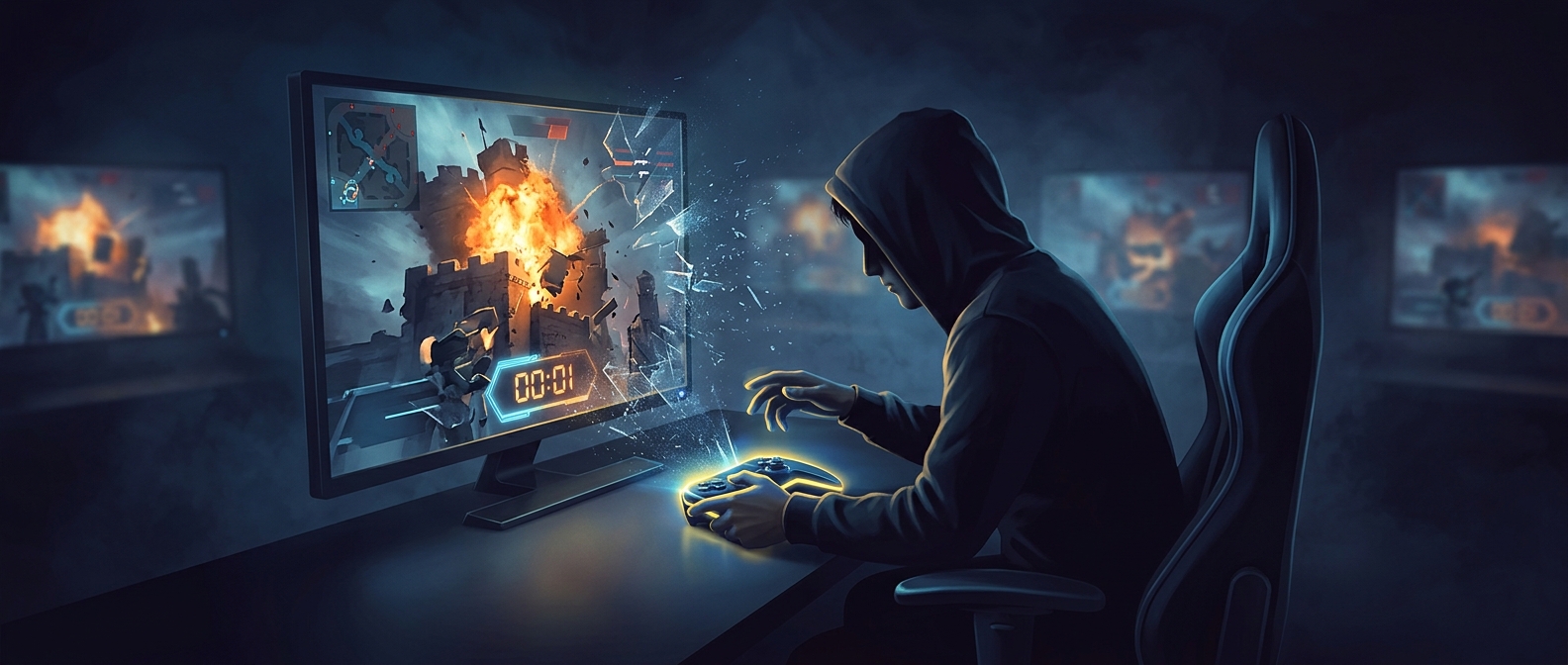
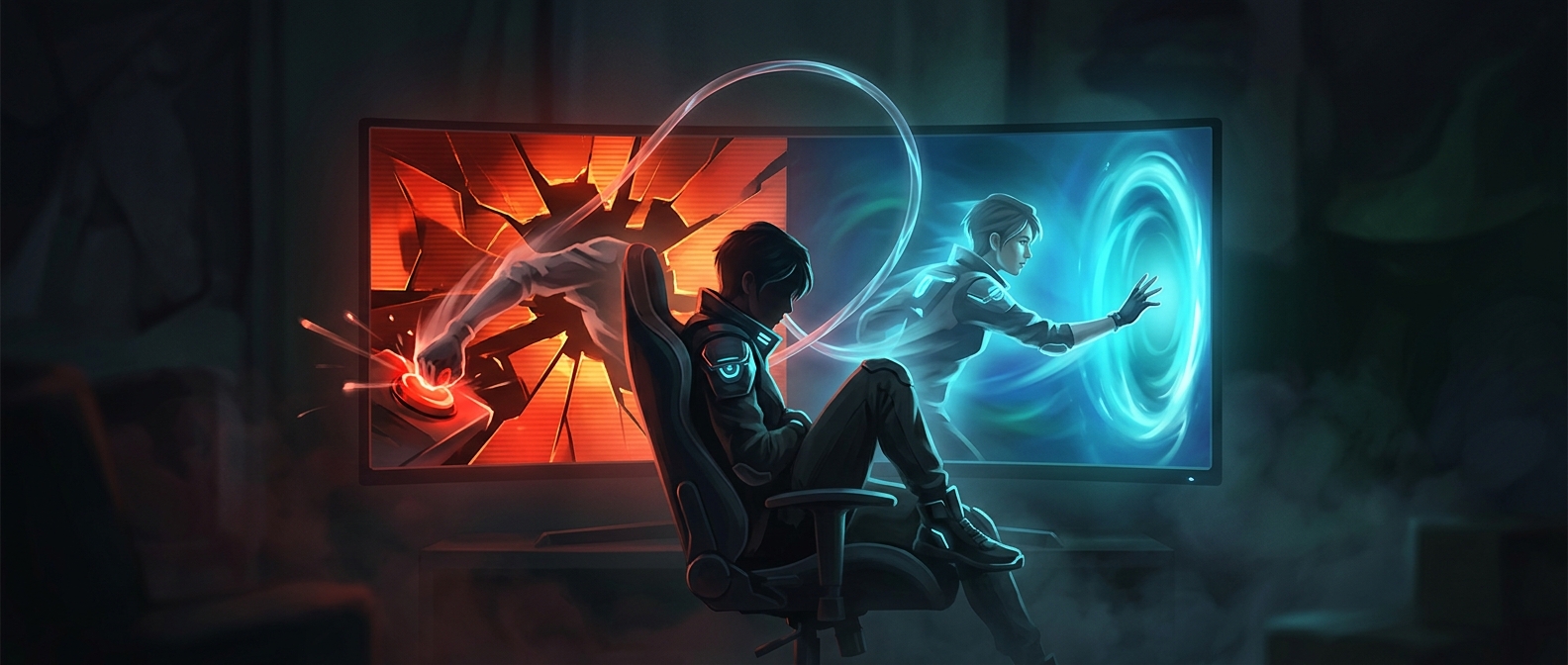
In split-screen multiplayer, each player gets a separate view, but both views occupy the same physical display. That makes the screen itself a source of information: even when the game does not reveal an opponent’s position on your half, you may be able to read it on theirs. This is often called screen peeking or screen cheating—though among friends, the “cheating” can be part of the fun.
The advantage depends on what the game shows. A racing game may expose a rival’s route or choice of shortcut; a shooter may reveal where someone is looking or moving. Seeing that information does not automatically win a match: the peeker still has to react, and an opponent can change plans once they suspect they are being watched.
A Design Tradeoff—and a Social Game
Developers can reduce the leak by limiting what appears on each view, obscuring parts of the world, or designing play around information that is meant to be shared. But hiding too much can make the game harder to read, while placing players on separate screens or devices changes the convenience of local multiplayer. There is no single fix that suits every game.
That leaves some groups to impose their own rules—no looking at the other half, sit farther apart, or simply accept peeking as a tactic. The result is a distinctive local-multiplayer tension: players compete inside the game, while also deciding how much of the shared screen counts as fair knowledge.