Why a Shot Can Feel Late
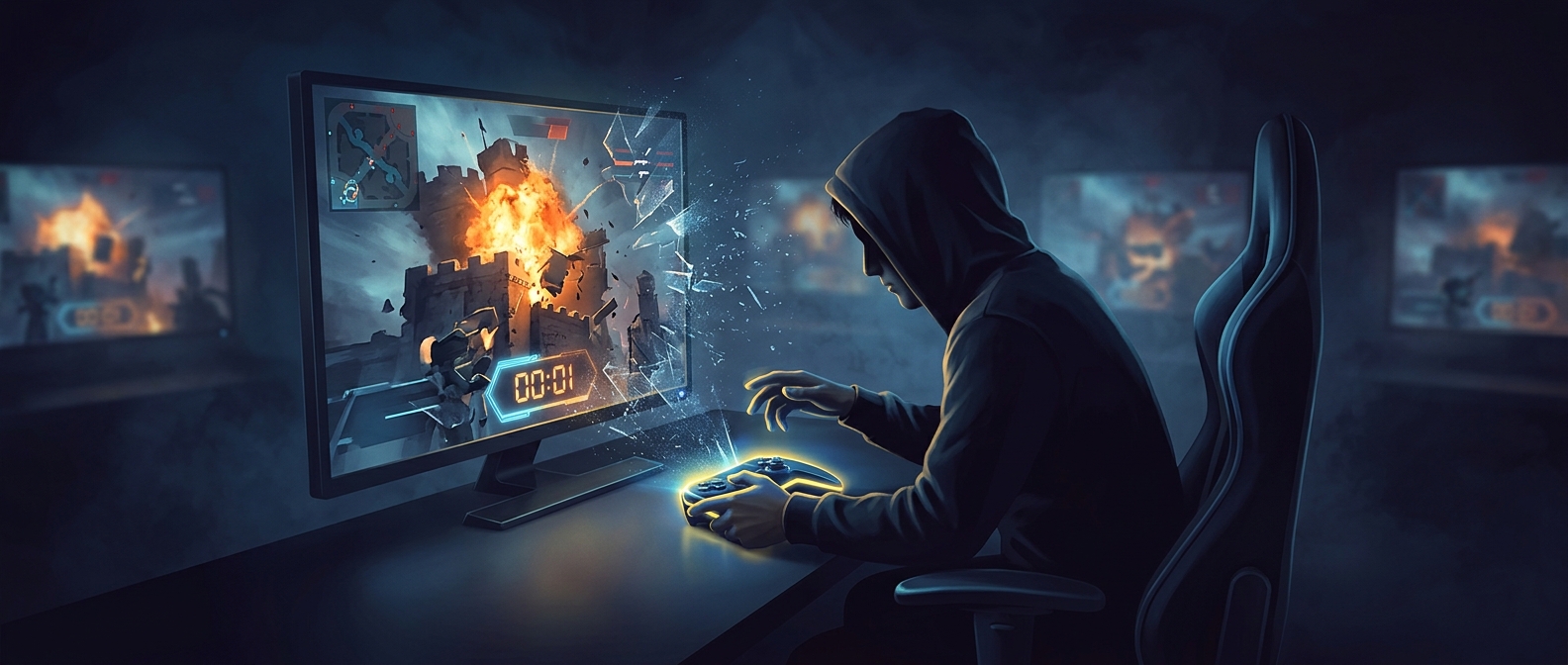
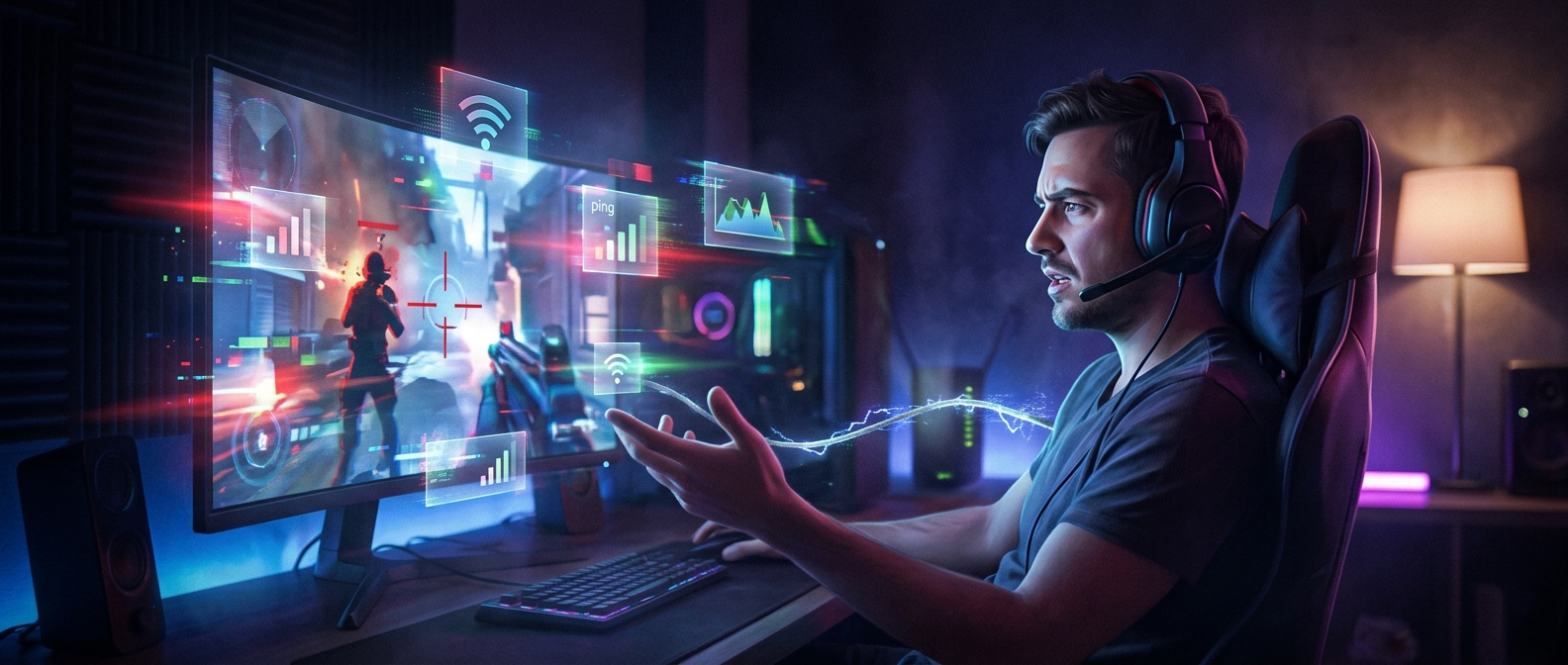
In an online shooter, your mouse or controller sends an input to your device, which sends it across the network to the game server. The server then decides what happened and sends an update back. That delay is latency: the gap between an action and the game’s response. If the connection stutters, the target may appear in one spot on your screen while the server is already treating it as somewhere else.
Games try to hide that gap. Your device may show a shot immediately, before the server confirms it, so firing feels responsive. Many games also use lag compensation, which lets the server account for a player’s delayed view when judging a shot. These techniques make play smoother, but they cannot make every player’s screen and the server perfectly agree at every instant.
A Convenient Explanation for a Miss
That uncertainty is what makes lag such a persuasive excuse. A missed shot gives you little evidence about whether your aim was off, your target moved, or the connection briefly delayed an update. At close range, a tiny mismatch can look especially absurd: the opponent fills the screen, the weapon fires, and the result still says no hit.
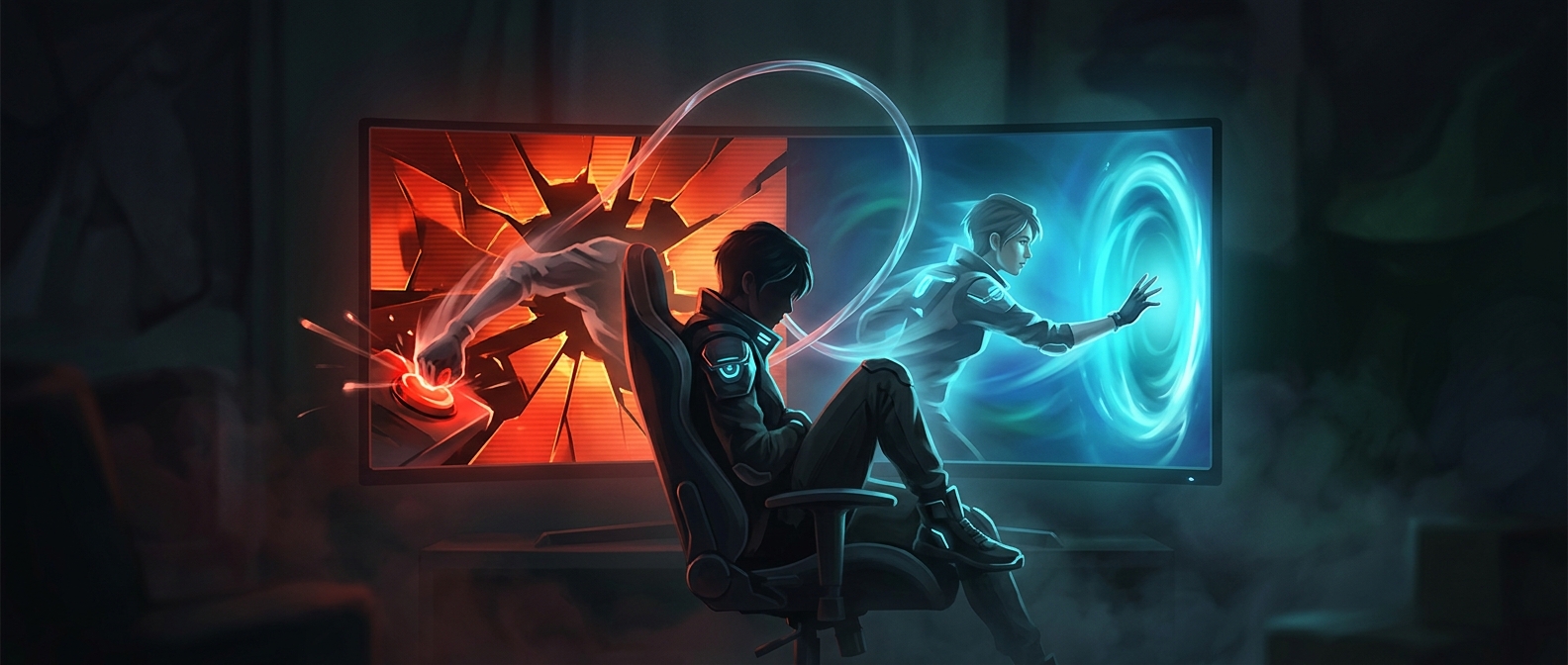
Sometimes the network really did contribute. But ordinary aiming errors are harder to see in the moment, while a sudden hitch or a strange hit result is easy to blame. Multiplayer games are built to conceal network delay as much as possible; when that concealment slips, even a perfectly ordinary miss can feel like the server personally intervened.