Why hopping can beat running in a game
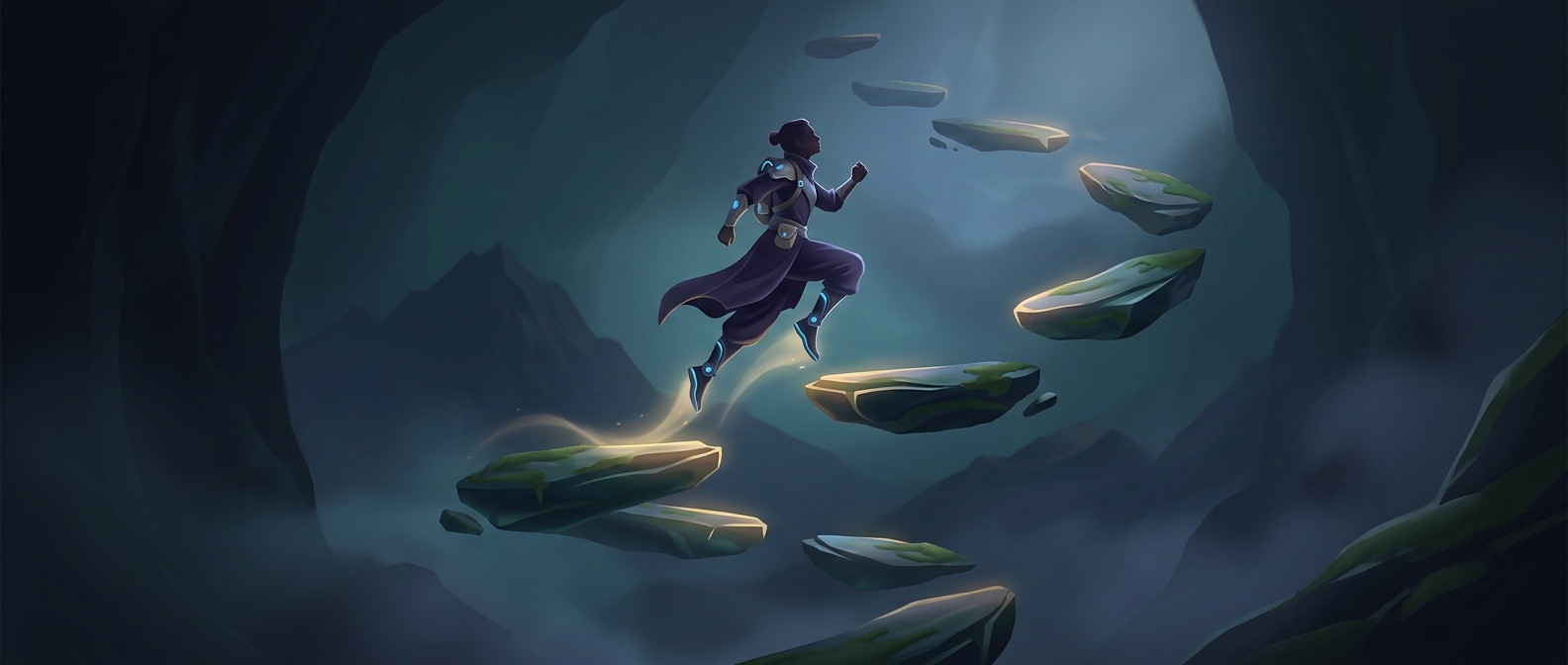
In some games, the fastest route across open ground is not a steady sprint. Repeated jumps can preserve a character’s momentum between landings, while running may expose the character to more friction or a lower speed limit. The result is a small but measurable advantage over a long stretch—at the cost of looking less like a person running and more like a bouncing ball.
A shortcut created by movement rules
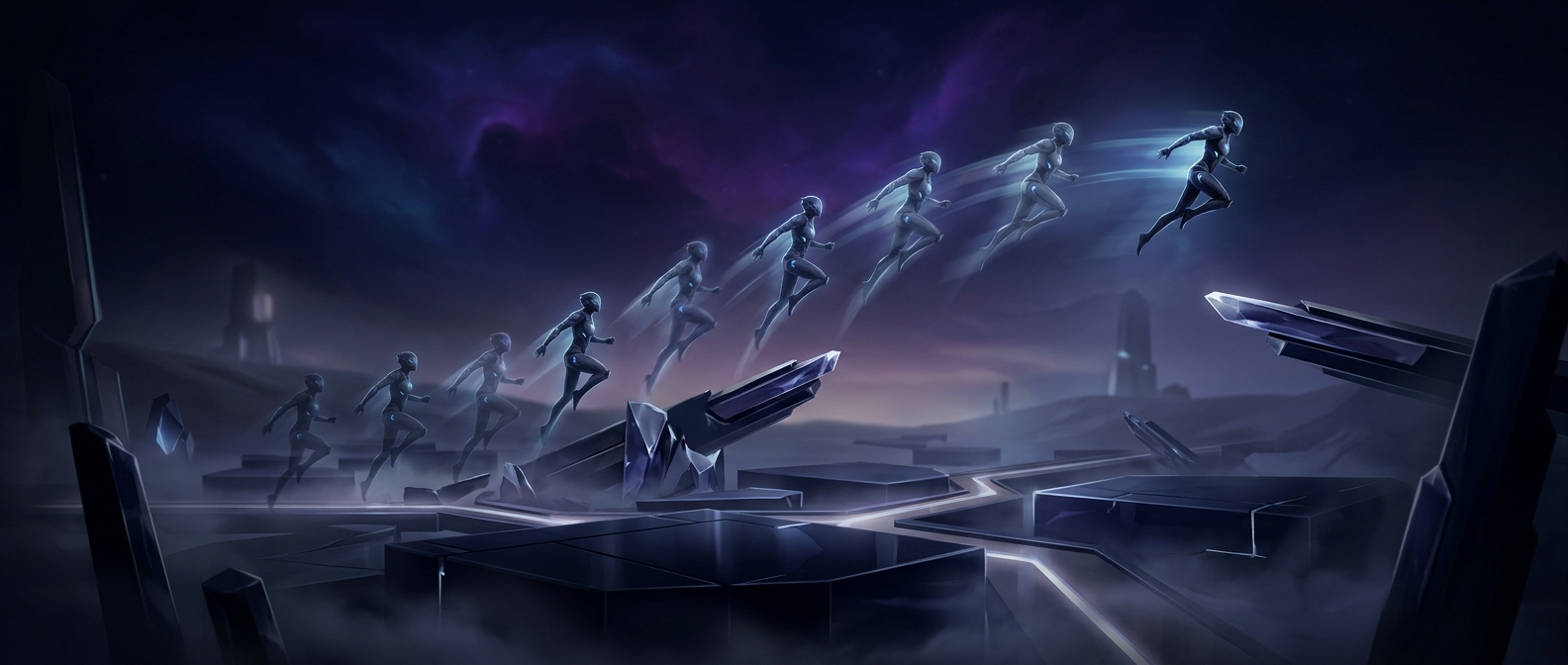
The trick depends on how the game handles movement in the air and on the ground. If a character keeps moving quickly while airborne, and landing does not erase that speed, chaining jumps can avoid some of the slowdown associated with ordinary movement. Each hop carries momentum into the next, so the advantage accumulates over distance rather than appearing as one dramatic burst.
That behavior is a consequence of the game’s movement model, not a universal property of jumping. A different game may slow a character on landing, limit midair control, or make jumping slower overall. Here, the important design tradeoff is that a rule meant to make movement feel responsive can also reward an unusual rhythm.
Faster, but conspicuously so
The time saved is modest, yet repeated hopping can matter when a route is long or a player is trying to shave seconds off a trip. It also makes efficient movement visible: anyone watching can tell the player is using a movement technique rather than simply holding the run button. The shortcut works because the game preserves speed through the air—and its bouncing gait is the visible price of that advantage.