When a Story Scene Becomes Part of the Retry
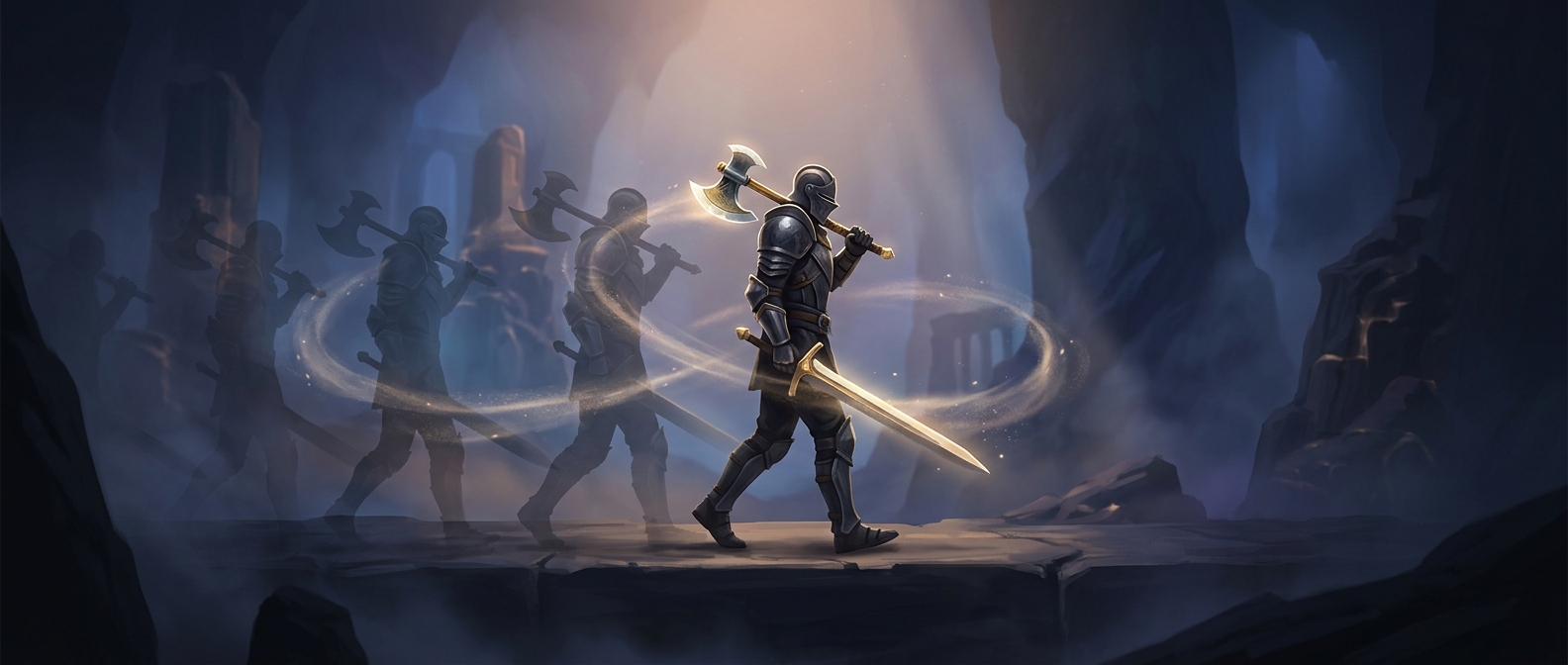
A cinematic can work on a first playthrough because it sets up a character, raises the stakes, or gives a battle room to breathe. But a replay changes the scene’s job. Once the player knows what happens, the same sequence no longer delivers new story information; it becomes time between attempts.
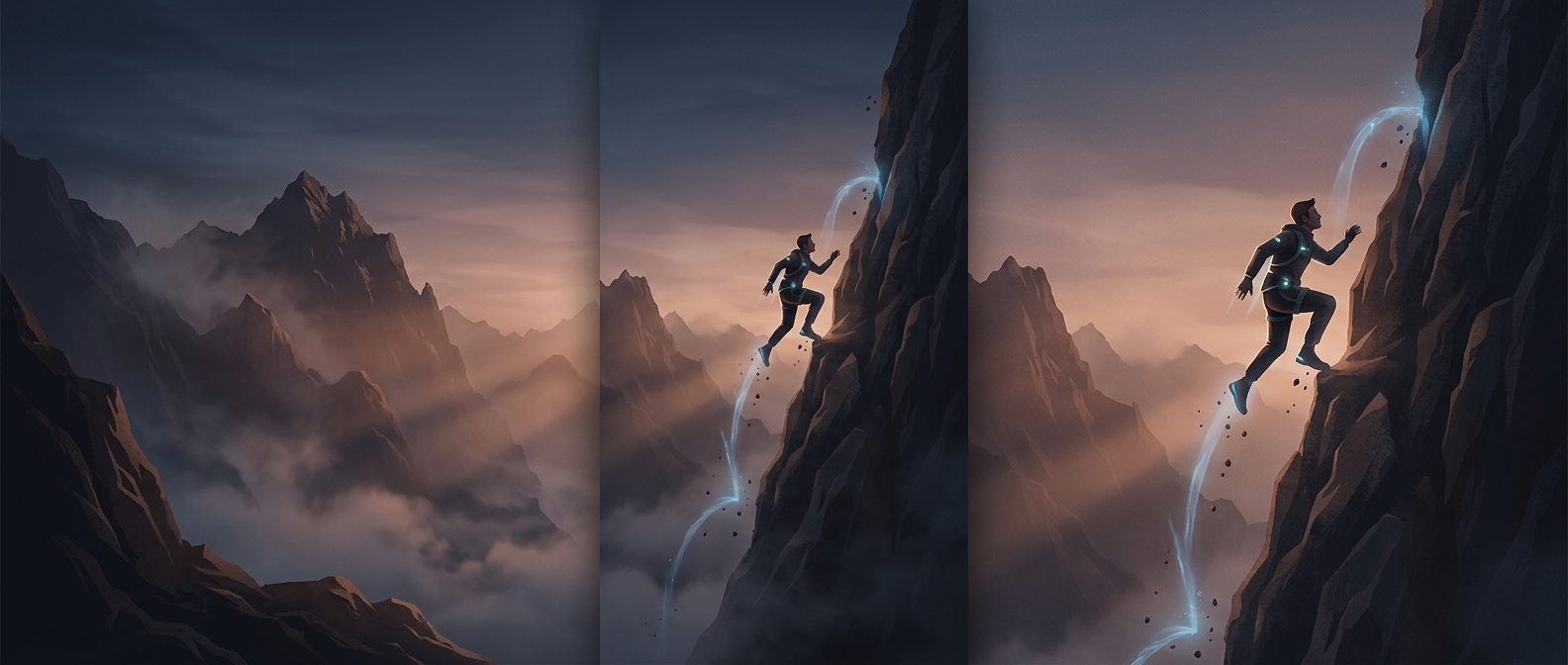
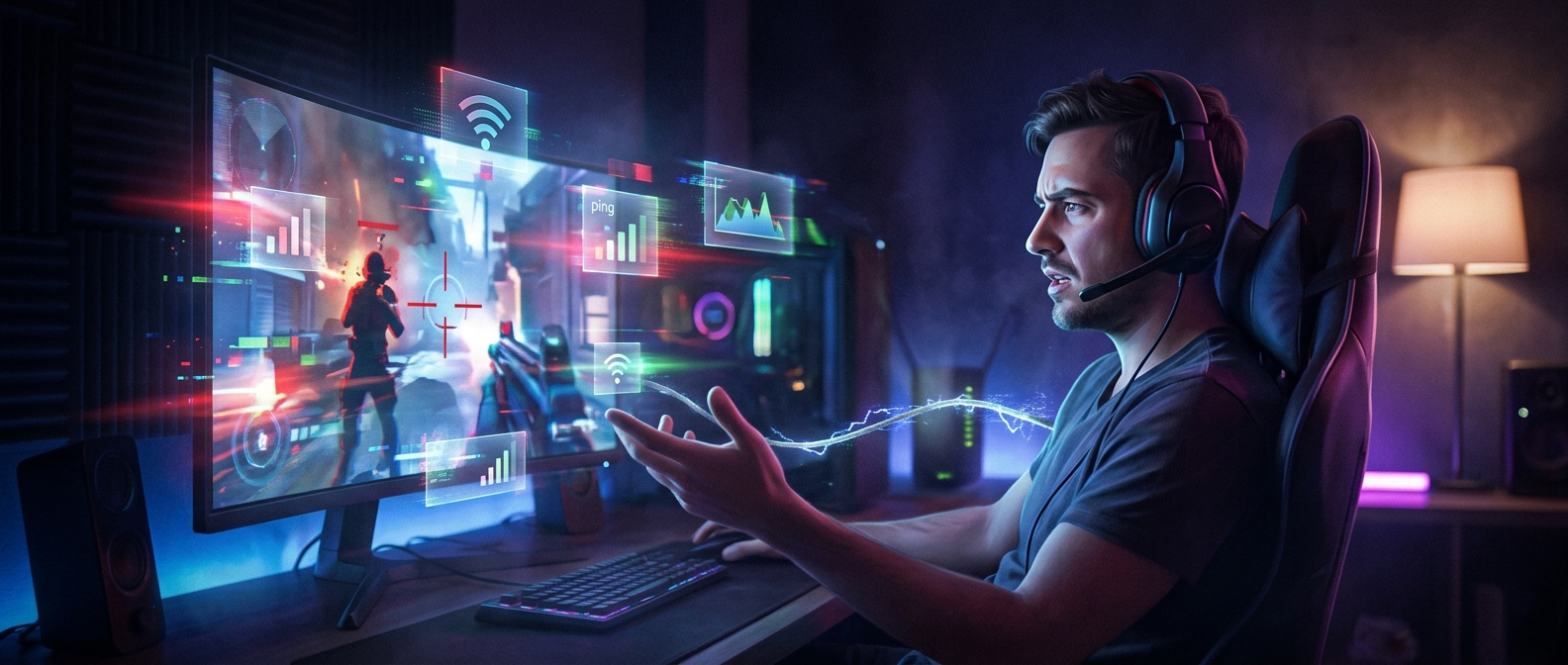
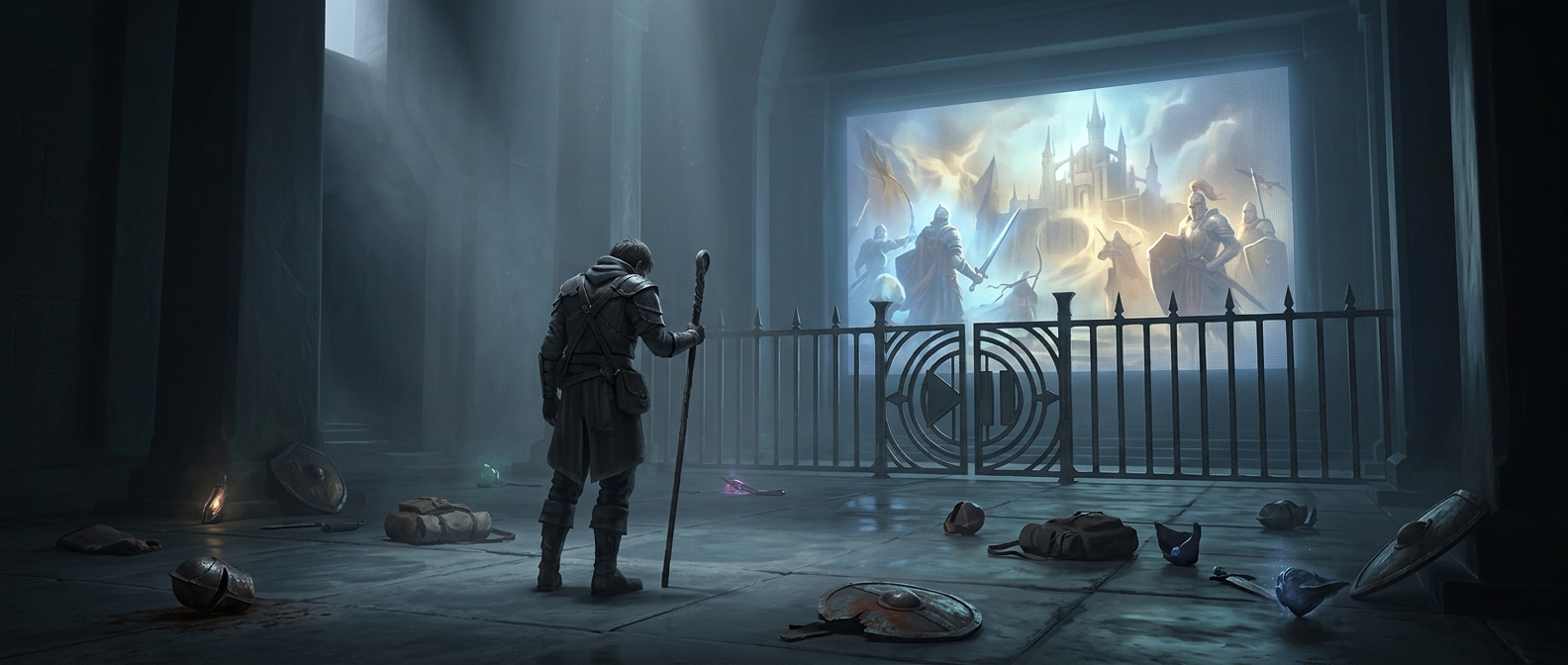
That difference is sharpest in games built around failure and retry. A player may lose a difficult fight seconds after a long scene, then have to watch the setup again before trying a new strategy. The delay is not just inconvenient: it interrupts the learning loop of attempt, adjustment, and attempt again. The player is ready to act, but the game temporarily offers no control.
The Tradeoff Behind the Lock
Developers may want a scene to land at a particular pace, preserve a reveal, or keep story context intact. Yet those goals do not require the same experience on every viewing. A common compromise is to make a scene skippable after its first complete playback, or to place a checkpoint after it so a retry returns the player to the action. Fast-forwarding can preserve more of the transition while reducing the wait.
Each option changes the balance between authored timing and player control. An unskippable scene can protect the intended first impression, but it also makes repeated play feel less responsive. Replay value depends not only on what a game lets players do again, but on how quickly it lets them get back to doing it.