The Midnight Deadline Built Into a Step Goal
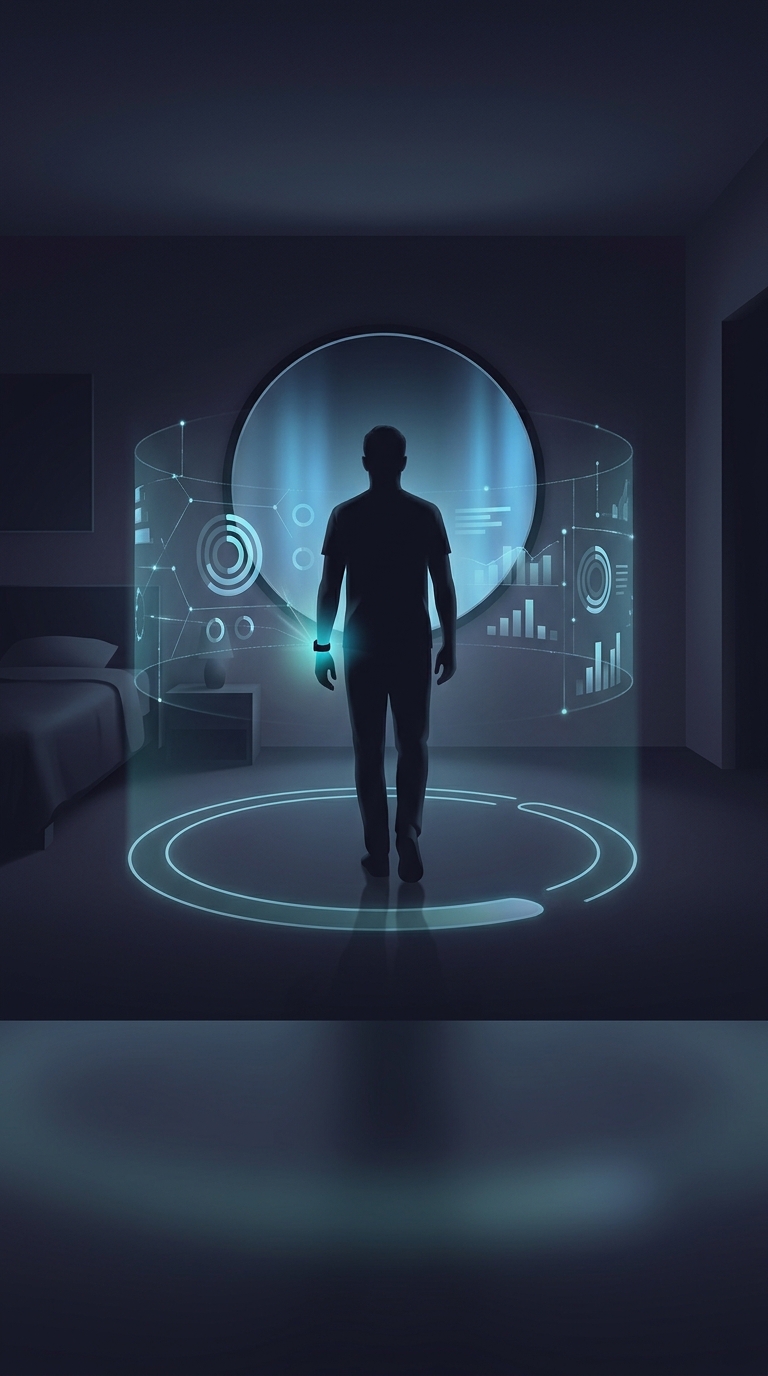
A fitness tracker turns walking into a small daily challenge: reach a target before the day ends. Near midnight, someone who is just short may start pacing indoors—not because the bedroom is a good place to walk, but because it is convenient and the clock is running out.
Many trackers organize goals by calendar day. When the date changes, the step counter may begin a new daily tally, even though the person’s overall fitness has not suddenly changed. The deadline is a feature of the tracking system, not a biological one.
How a Number Becomes a Game
A step count makes movement visible and easy to compare with a target. Progress bars, streaks, and reminders can make that target feel like a game with a clear win condition. If the tracker shows that only a few steps remain, pacing offers an immediate way to finish; going to bed means letting the day’s progress fall short.
That design can encourage more movement, but it can also shift attention from exercise that feels useful or enjoyable to completing the number. At 11:45, the tracker has made an ordinary walk feel like a last-minute task.
The scene is funny because the bedroom is an absurd arena for a fitness challenge—and familiar because a daily goal can create urgency even when midnight changes only the tally, not the body.