What a skipped cutscene can take with it
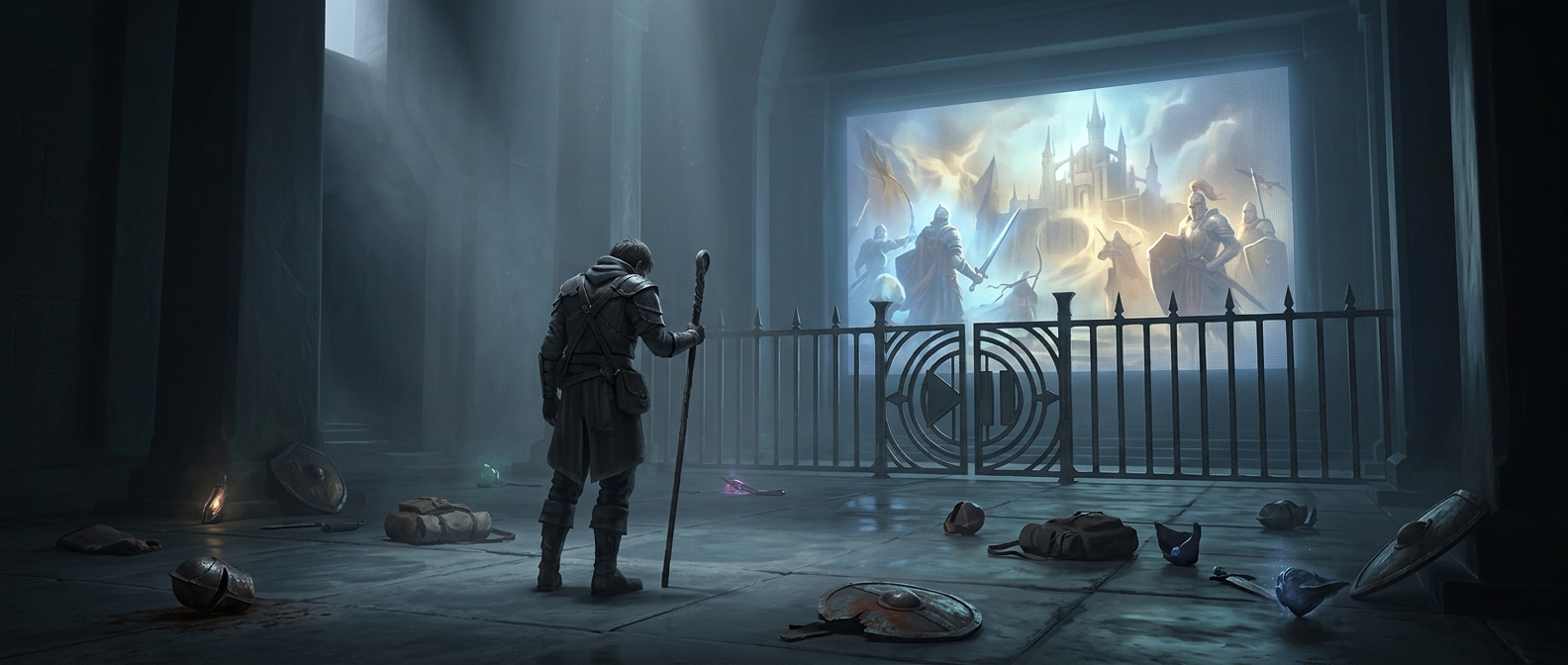
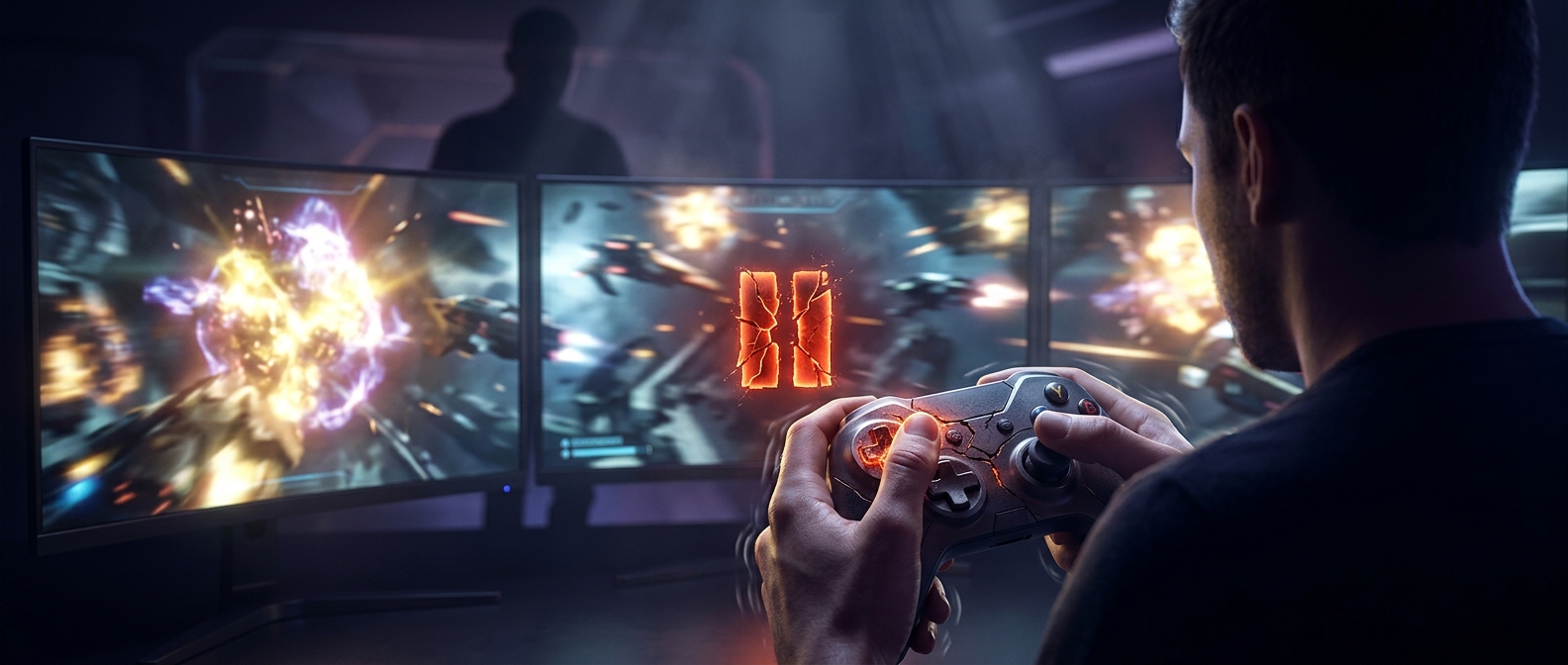
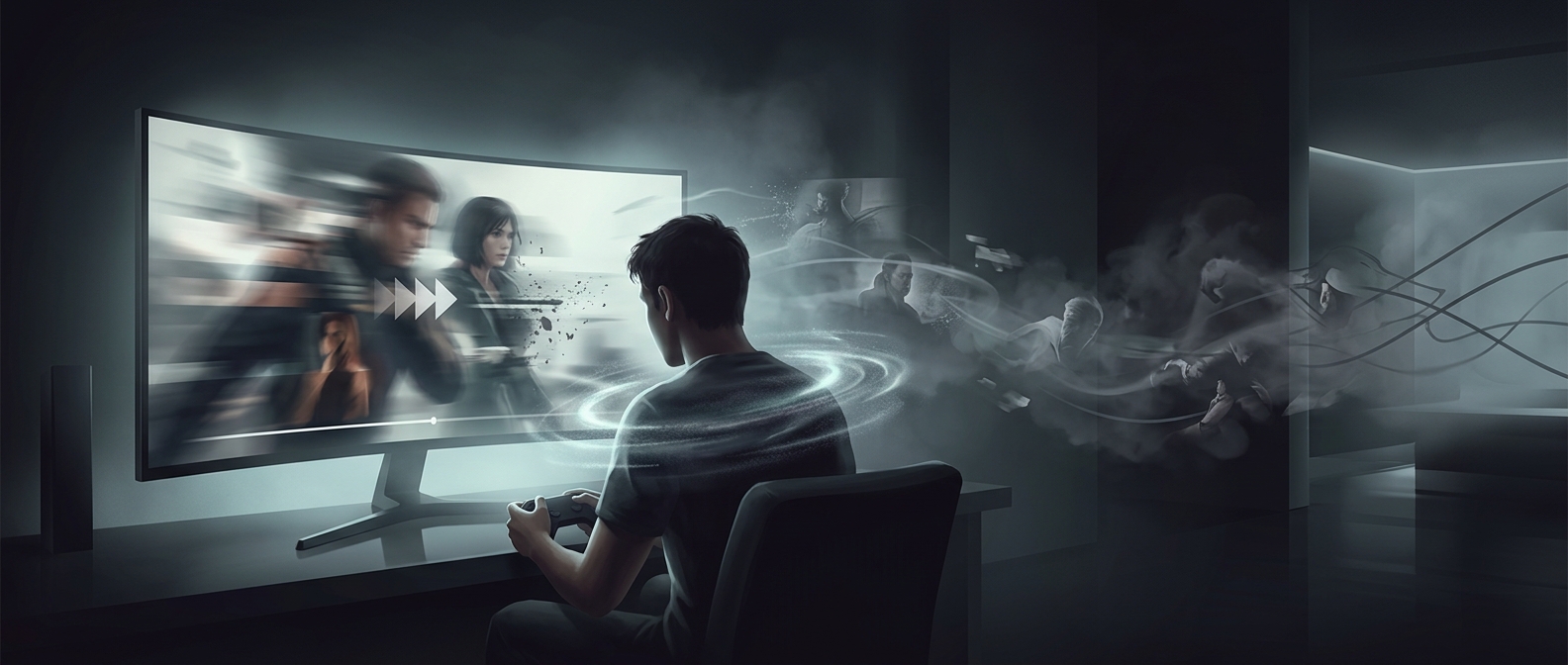
A cinematic scene often does more than pause the action. It can introduce a rival, explain why a location matters, or show what the player is supposed to prevent. When a player skips it, the game may move straight to combat without carrying those details into the playable moment. The enemies are visible; their connection to the mission may not be.
That gap is especially easy to notice when gameplay assumes the player understood a name, a betrayal, or a change in allegiance from dialogue they never heard. A fight can still be mechanically clear—attack, dodge, reach the exit—while its purpose feels arbitrary.
Why the handoff can fail
Scenes and gameplay deliver information differently. A cutscene can control attention: it can show a face, then a weapon, then a target on a map. During play, the player may be watching health, movement, and threats instead. Important context tucked into dialogue or a quick visual can be missed even without skipping; skipping removes the first chance to absorb it.
Games can make that handoff sturdier by repeating essential information in the mission objective, a short recap, character dialogue during play, or a clearly identified target. These reminders need not retell the whole plot. They simply connect the immediate task—such as stopping a squad—to the reason it matters.
When that connection is absent, players may keep progressing while misunderstanding the conflict. The result is not necessarily a broken level, but a story that feels like a sequence of fights rather than a chain of decisions.