Why a powerful item can feel too valuable to use
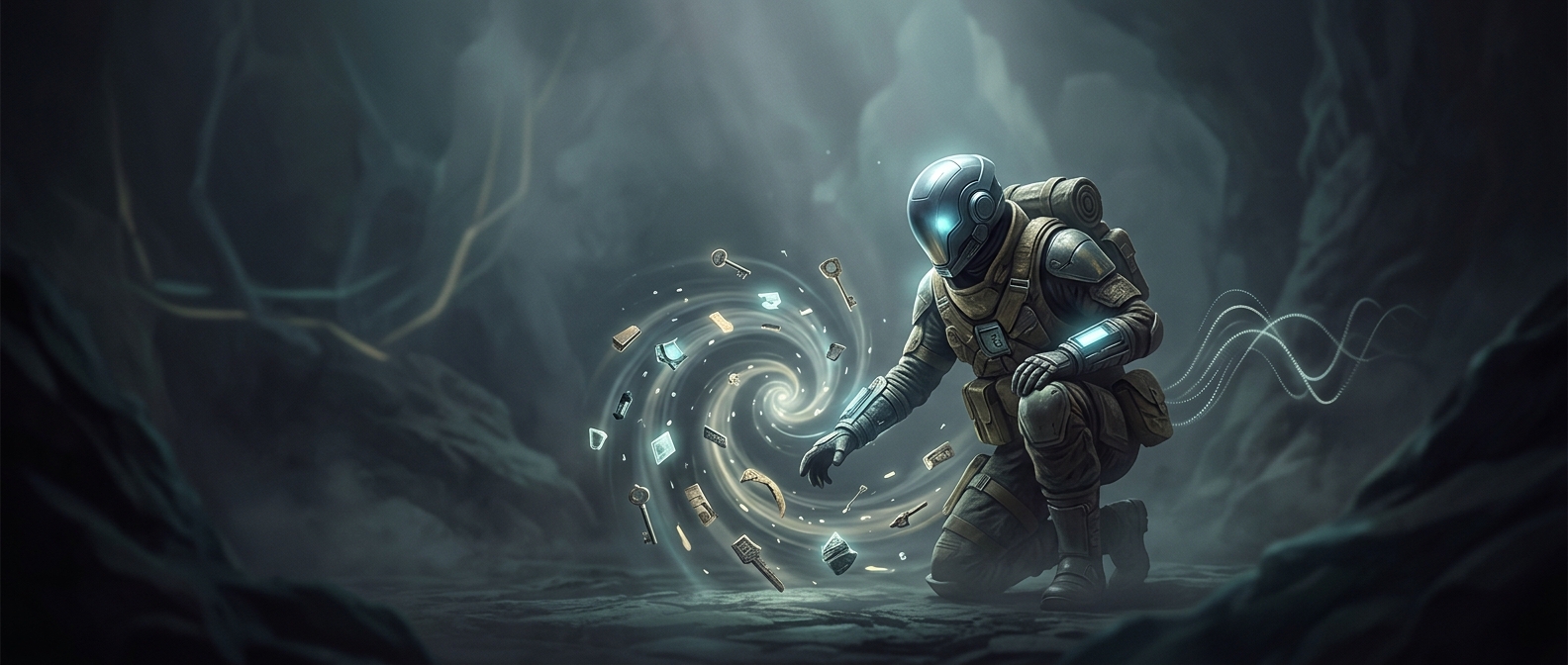
A rare healing potion or explosive attack changes how a player weighs risk. Using it now solves a visible problem, but it also removes an option from every challenge still ahead. Because the next threat is unknown, keeping the item can feel safer—even when the current fight is already difficult.
That hesitation is a form of opportunity-cost thinking: the player focuses on what the item might do later, not only what it could do now. The imagined future challenge can grow more demanding with every level, while the present moment remains easy to dismiss as something ordinary skill can handle.
Games make the future hard to price
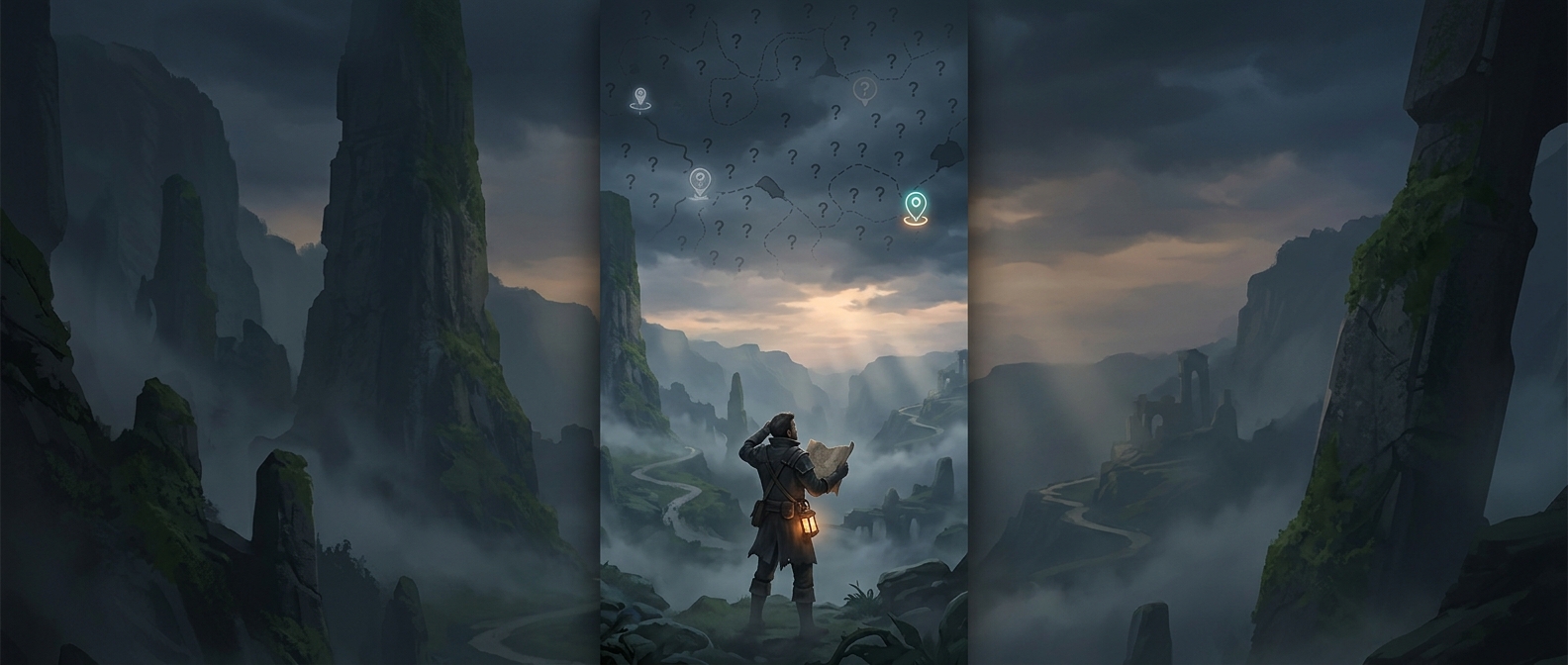
Many games reveal danger one encounter at a time. Players may not know whether a boss, a long stretch without healing, or a tougher enemy is just around the corner. That uncertainty makes it difficult to decide what counts as the right moment to spend a limited resource.
Game systems can reinforce the dilemma. If an item is rare, cannot be replenished easily, or takes up a limited inventory slot, using it has a clear cost. If it is plentiful or the game signals that a major fight is underway, spending it feels less risky. The design is effectively asking players to estimate both the danger they face and the danger they cannot yet see.
The unused item is a choice, too
Players often do not need to make a formal plan to save an item. Each time they decide, “I might need this more later,” the next decision becomes easier to repeat. Eventually, the game may end before the imagined perfect moment arrives.
That leftover potion or special attack is more than a missed opportunity: it shows how uncertainty can make potential future value outweigh a concrete present benefit. For designers, the tension is useful when it makes resource decisions matter; when it is too strong, players can finish with their most powerful option still sitting in inventory.