Why Fast Travel Feels Like a Reward After Getting Lost
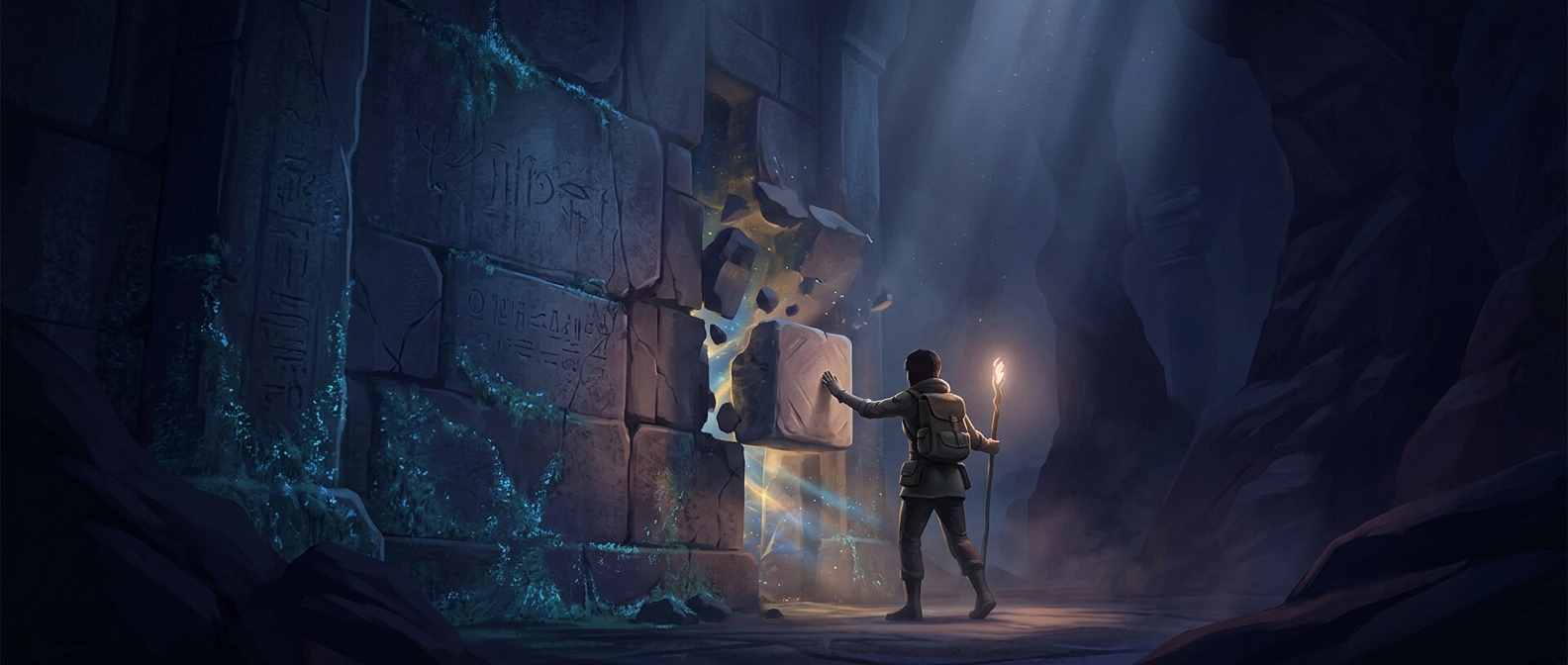
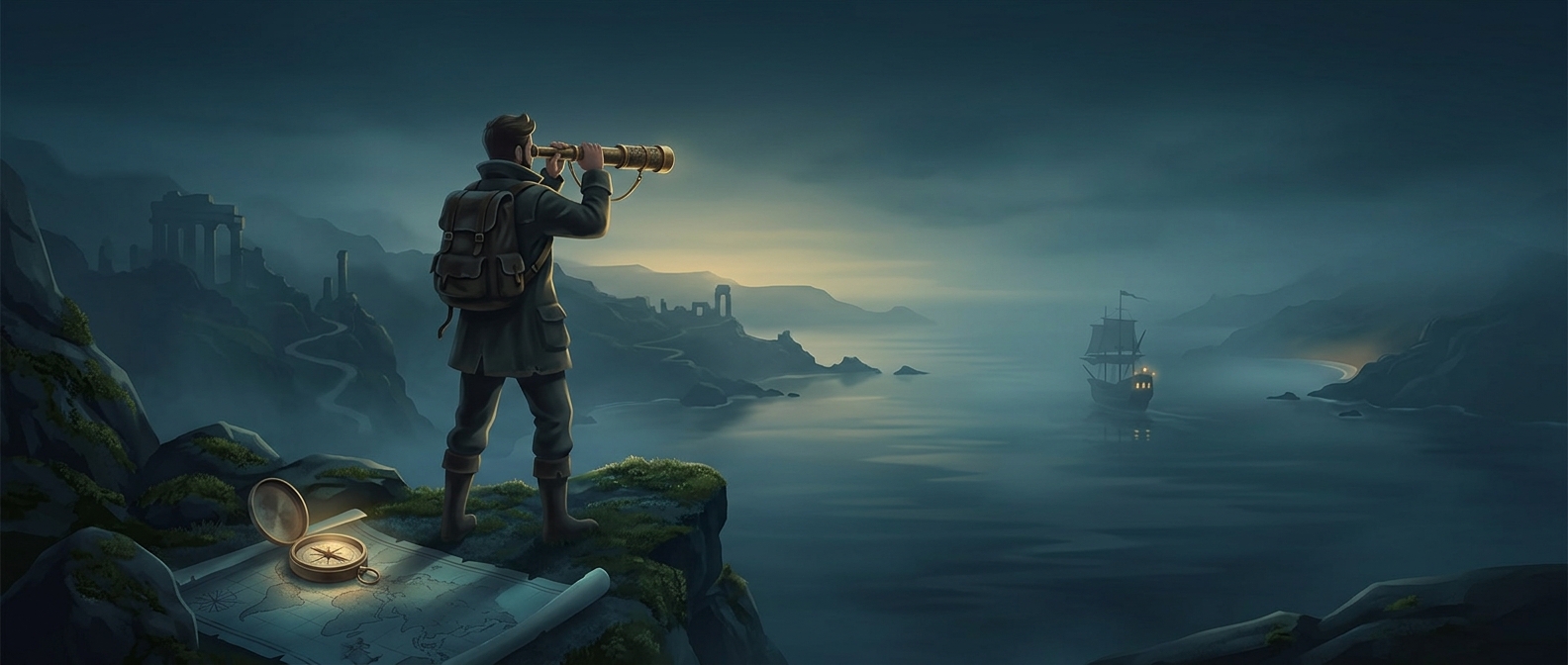
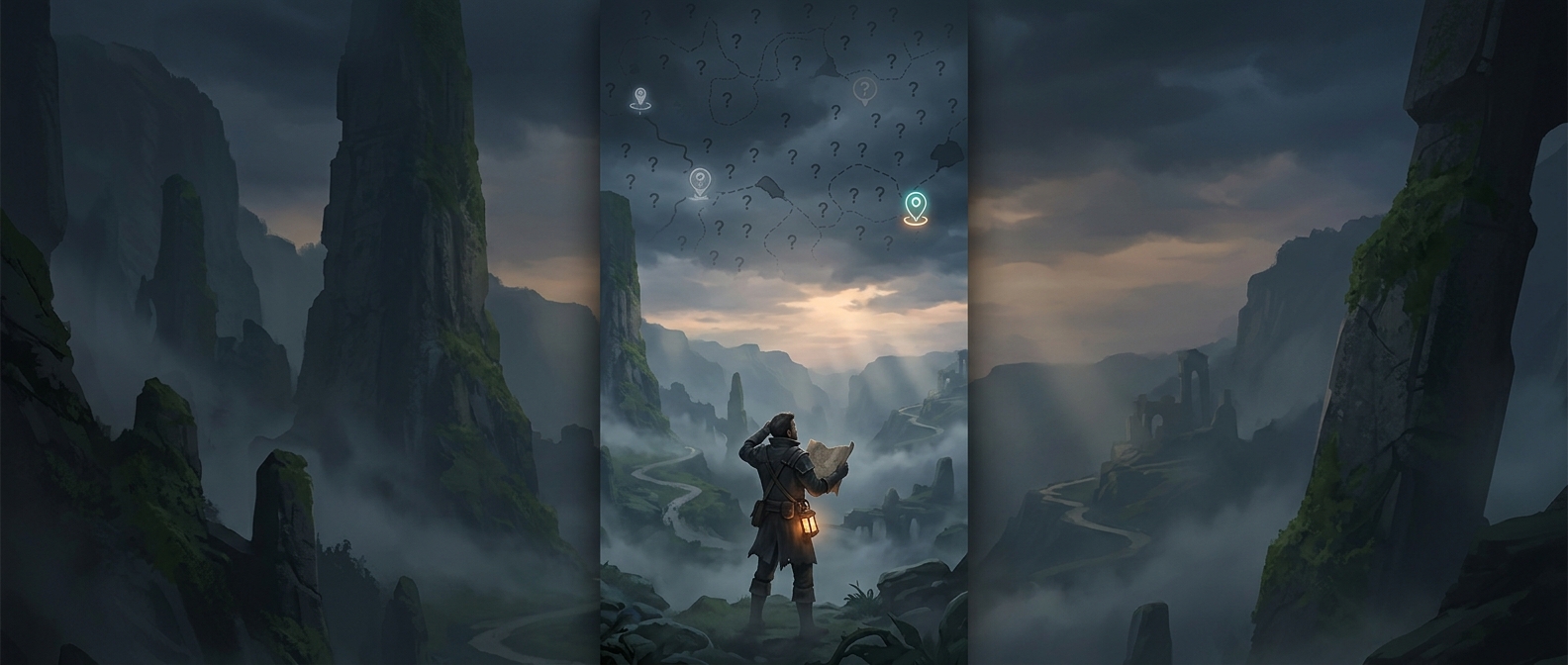
Fast travel is more than a shortcut between two points. It changes what a player has to pay attention to. On foot, reaching a destination means reading the environment: spotting a landmark, remembering a turn, or testing whether a passage leads somewhere new. Once those clues stop helping, movement can become a repeated task rather than exploration. A map-based jump lets the player skip that task and return to the decision that matters—what to do next.
The Tradeoff Designers Are Managing
Games often make fast travel conditional: a location may need to be discovered first, or travel may only work from certain places. Those limits preserve some value in exploring and keep the world from feeling like a menu of destinations. But if the route between known locations is long and offers little new to notice, requiring players to walk it again can drain momentum.
That creates a design tension. Too little fast travel can turn backtracking into busywork; too much can make a carefully built world feel disposable. The useful distinction is between a journey that changes the player’s understanding of the place and one that merely repeats a solved route.
What the Shortcut Says About the World
Choosing fast travel does not necessarily mean a player dislikes exploration. It can mean the exploration has already done its job. The first trip teaches the route; later trips may add nothing but minutes. In that moment, the shortcut acts like a small acknowledgment that the player has learned enough to stop proving they can navigate the same corridor. The world remains there to explore—but the player gets to decide when the walk is worth taking.