Why a quiet screen can make motion easier to catch
A tiny pixel moving against a dark background is easy to miss because your attention has to do two jobs: scan the image for change and decide which of the many things on screen—or around you—deserves notice. Background sound can compete for that attention. A sudden beat, voice, or effect may pull your focus away just long enough for a small movement to pass unnoticed.
Sound competes for attention, not eyesight
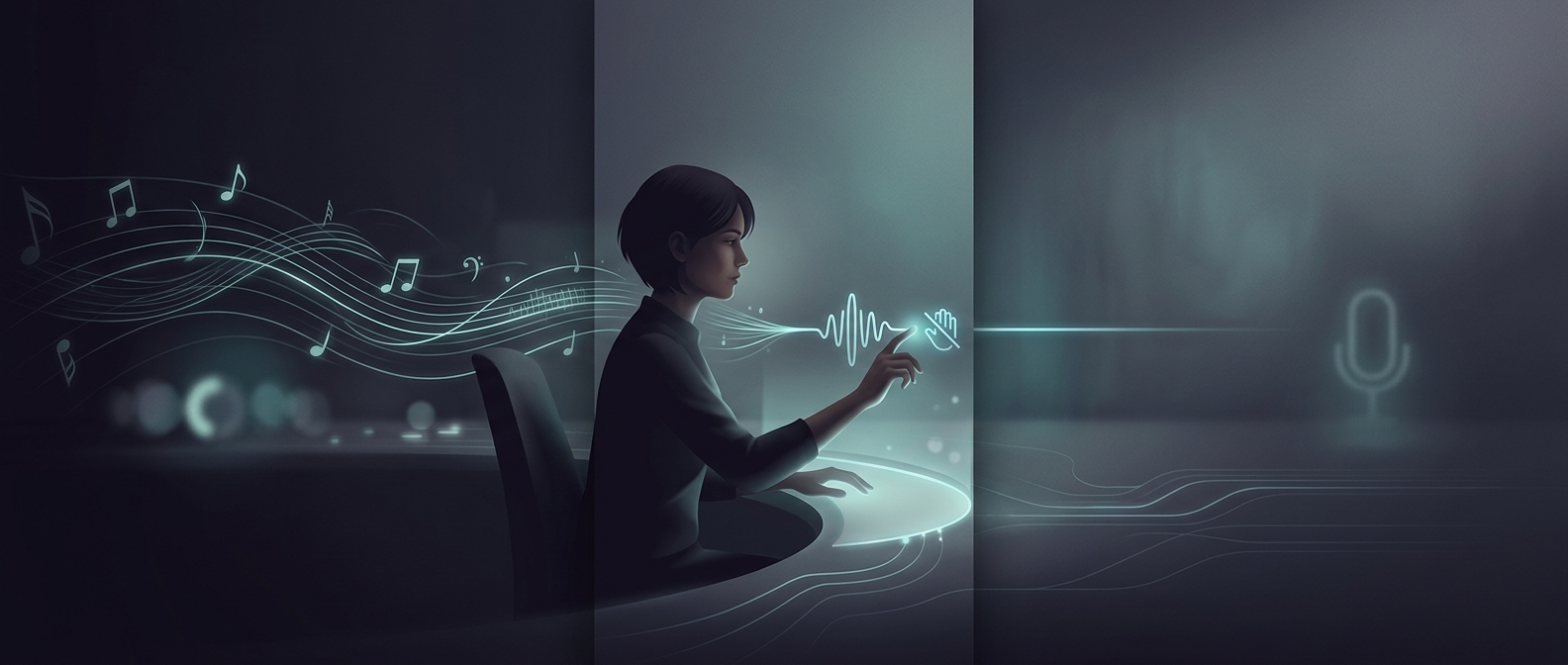
Muting audio does not make your eyes more sensitive or improve the screen’s contrast. It removes one stream of input your brain may otherwise monitor. With fewer interruptions to orient toward, you can keep your gaze and attention on the same patch of darkness, making subtle motion easier to detect.
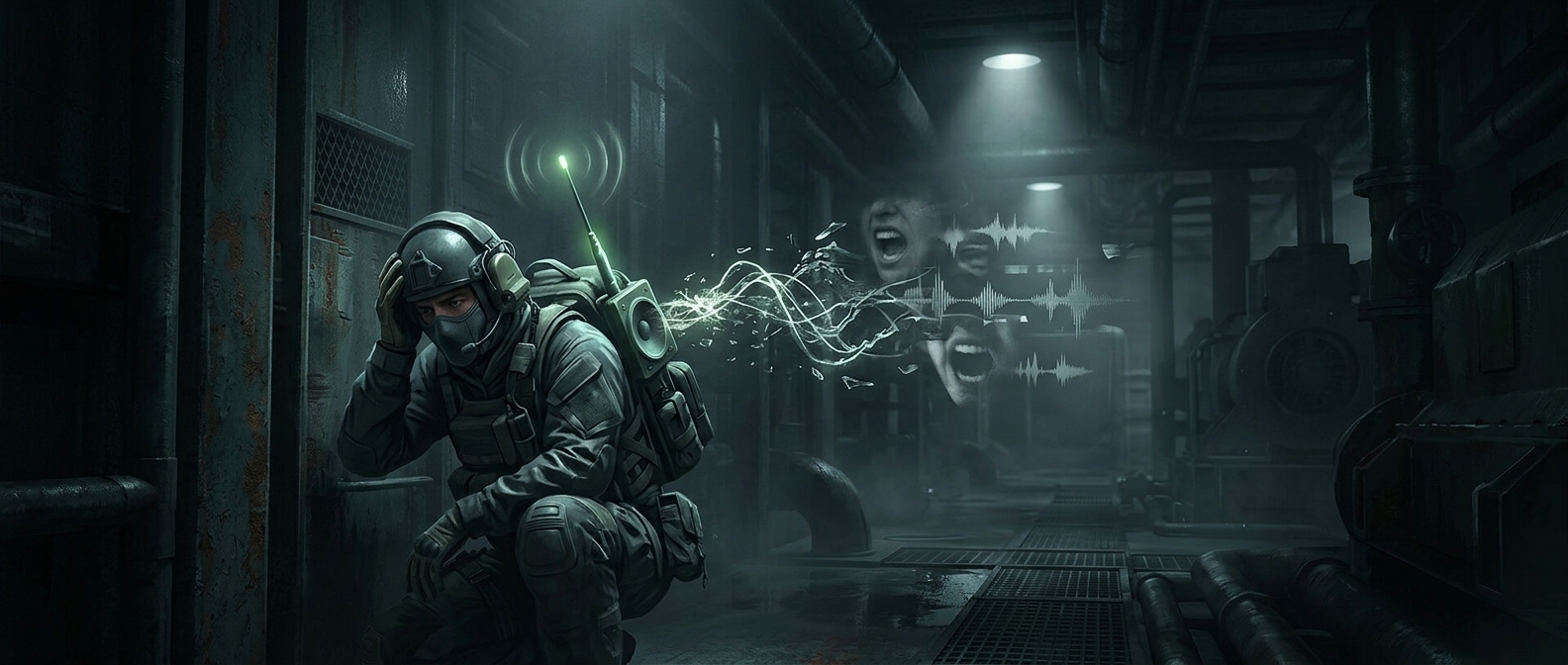
The difference is especially noticeable when the sound is unpredictable. A steady, familiar hum may fade into the background, while an abrupt cue can capture attention automatically—even if it has nothing to do with the pixel you are tracking.
A useful tradeoff in games
Silence can help when the task is purely visual, such as watching for a faint flicker or a moving speck. But game audio can also carry useful information: a sound may signal an approaching threat or confirm an action. Muting is therefore not a universal advantage; it trades those cues for fewer distractions.
If a tiny movement is the thing you need to catch, turning down the audio can give your attention less to chase. The pixel has not become brighter. You have simply made it easier to keep watching where it appears.