A voice made from sound fragments
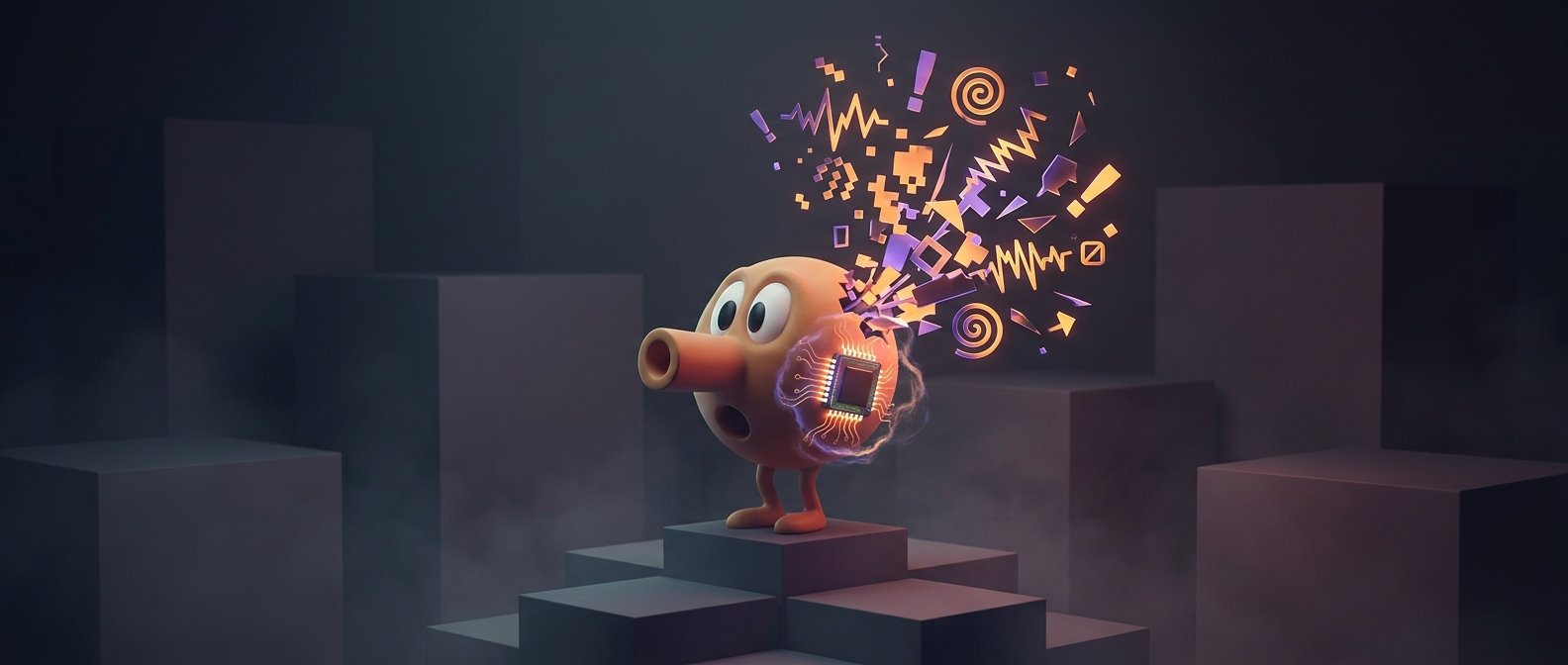
Q*bert’s outburst was not a recording of a performer shouting. The arcade cabinet used a speech-synthesizer chip, which produced voice-like sounds electronically. Instead of playing a complete spoken line, the system could combine short speech sounds into brief, garbled phrases. The result had the rhythm and force of an exclamation without forming clear words.
That distinction mattered in a game built around a small, cartoon character tumbling off a pyramid. A sharp burst of voice made the fall feel like an emotional event, not just a change in the score. Because the phrases were unintelligible, players could hear frustration without the game needing to put an actual curse in Q*bert’s mouth.
Why it sounds like an angry outburst
Speech synthesis of this kind works with much smaller building blocks than ordinary recorded dialogue. A chip can trigger sounds that resemble pieces of speech, but the combinations may not follow the patterns that make real language easy to understand. In Q*bert, those broken syllables emerge as a quick, emphatic squawk: expressive enough to read as anger, too scrambled to quote.
The sound therefore does double duty. It gives the character a voice while leaving the exact words to the player’s imagination. When Q*bert goes over the edge, the machine supplies the indignation—and the garble keeps it family-friendly.