A game’s soundtrack can have a different audience online
A song licensed for use inside a game is not automatically cleared for every streamer or video creator to rebroadcast. The game publisher may have permission to include a track while playing the game, but that permission may not cover someone’s recorded video being distributed on a streaming platform. The creator can therefore face a copyright claim even when the music came directly from the game.
Why a separate music control helps
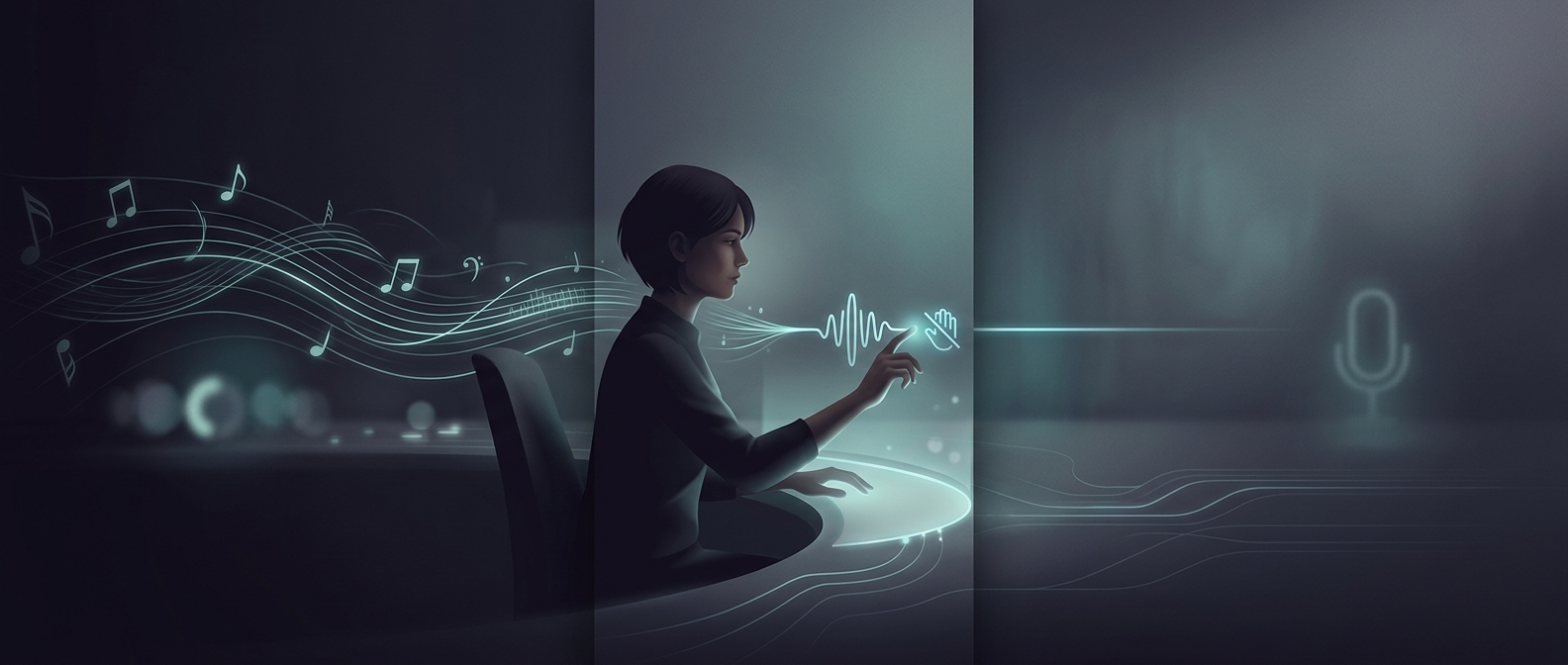
Platforms may use automated systems to compare uploaded audio with copyrighted recordings. If a licensed song is audible in a stream or recording, the system can flag it; depending on the platform and rights involved, that can lead to a claim or other restriction. A game setting that lowers or disables its music lets creators keep game sounds—such as effects and dialogue—while reducing the chance that a soundtrack track will be captured.
Some games offer a creator-focused option that replaces licensed songs or mutes only that category of audio. The exact controls vary, so muting music is not a guarantee against every copyright issue: other audio in a game or in the creator’s stream can still be protected. But separating music from the rest of the sound gives creators a practical way to preserve the gameplay recording without broadcasting a track they may not have permission to share.