A voice can work like another instrument
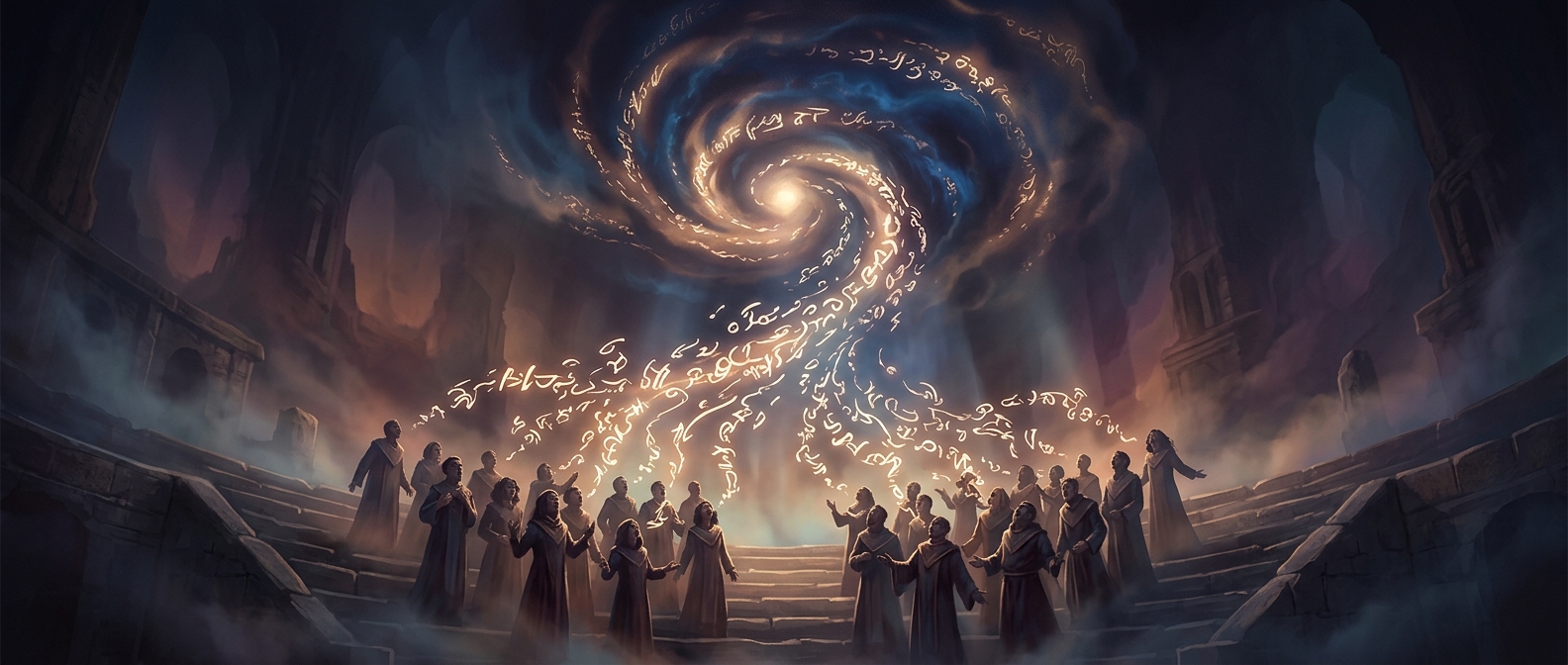
In Splatoon, the singers often deliver lyrics in fictional languages rather than words players can readily understand. That changes what a vocal part can do. Instead of carrying a clear sentence or story, it can contribute mainly through its sound: the shape of a syllable, the rhythm of a phrase, and the way a voice cuts through a mix.
That freedom suits the game’s fictional bands and its unruly, underwater punk atmosphere. The vocals can feel expressive and energetic without requiring players to translate them—or even agree on what they mean.
Bass gives the music its physical drive
When lyrics aren’t doing the familiar work of conveying understandable words, the arrangement has to make the song’s momentum legible in other ways. Thick synthesizer bass supplies a strong pulse: its low notes give the track weight, mark the groove, and help make the energy feel immediate. The bass doesn’t replace the voice; it gives the voice a forceful musical frame.
Together, distorted or stylized vocal sounds and prominent electronic low end create a sound that reads as punk in attitude while remaining unmistakably synthetic and playful. The musical roles are clear even when the language is not: the voice adds character, and the bass keeps the track moving.
Meaning comes through the performance
This is a useful design choice for a game soundtrack. Players can respond to tempo, tone, and instrumental impact in the moment, without needing to catch a lyric. Invented language also helps the songs belong to Splatoon’s world rather than sounding like ordinary pop songs transplanted into it.
The result is not music without expression. It shifts expression away from decipherable sentences and toward timbre, rhythm, and groove—so a vocal hook can be memorable even when its words remain a mystery.