A familiar input meets a locked animation
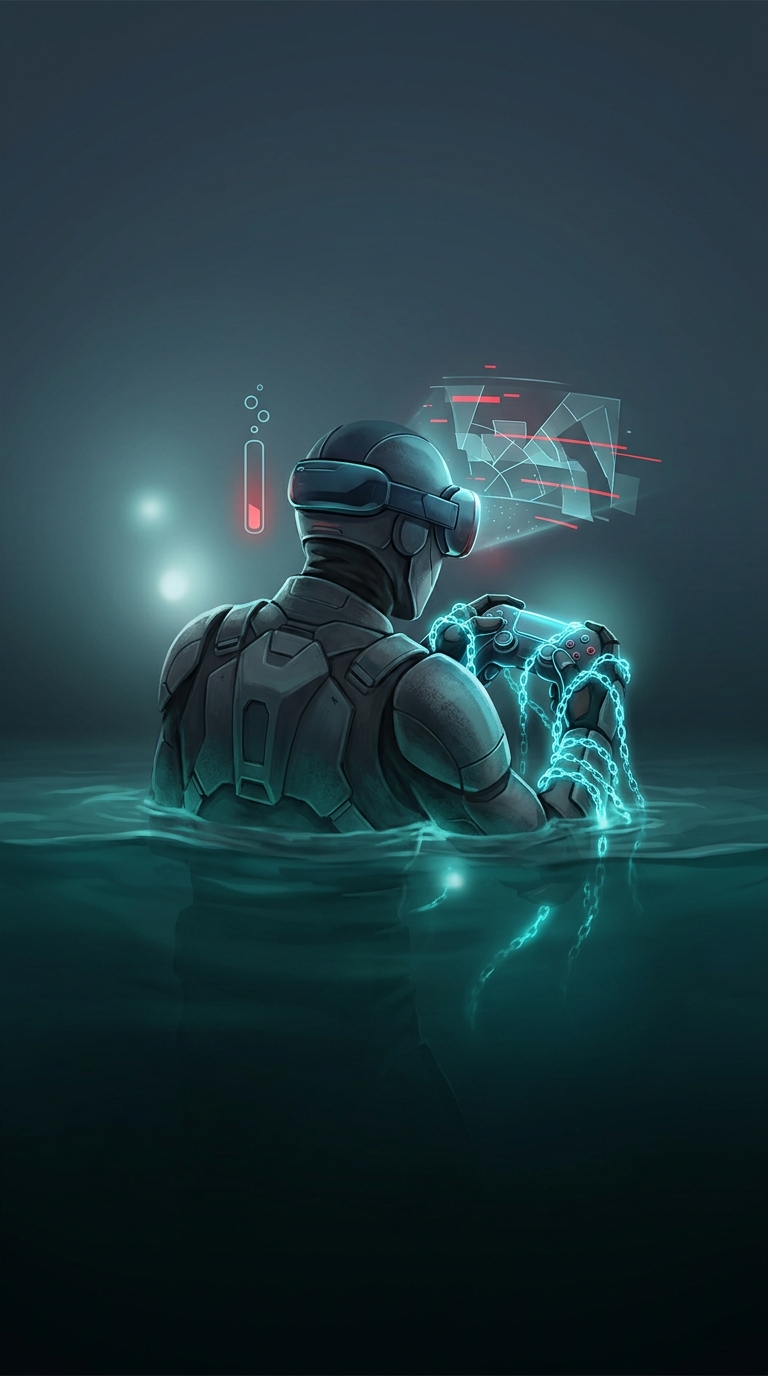
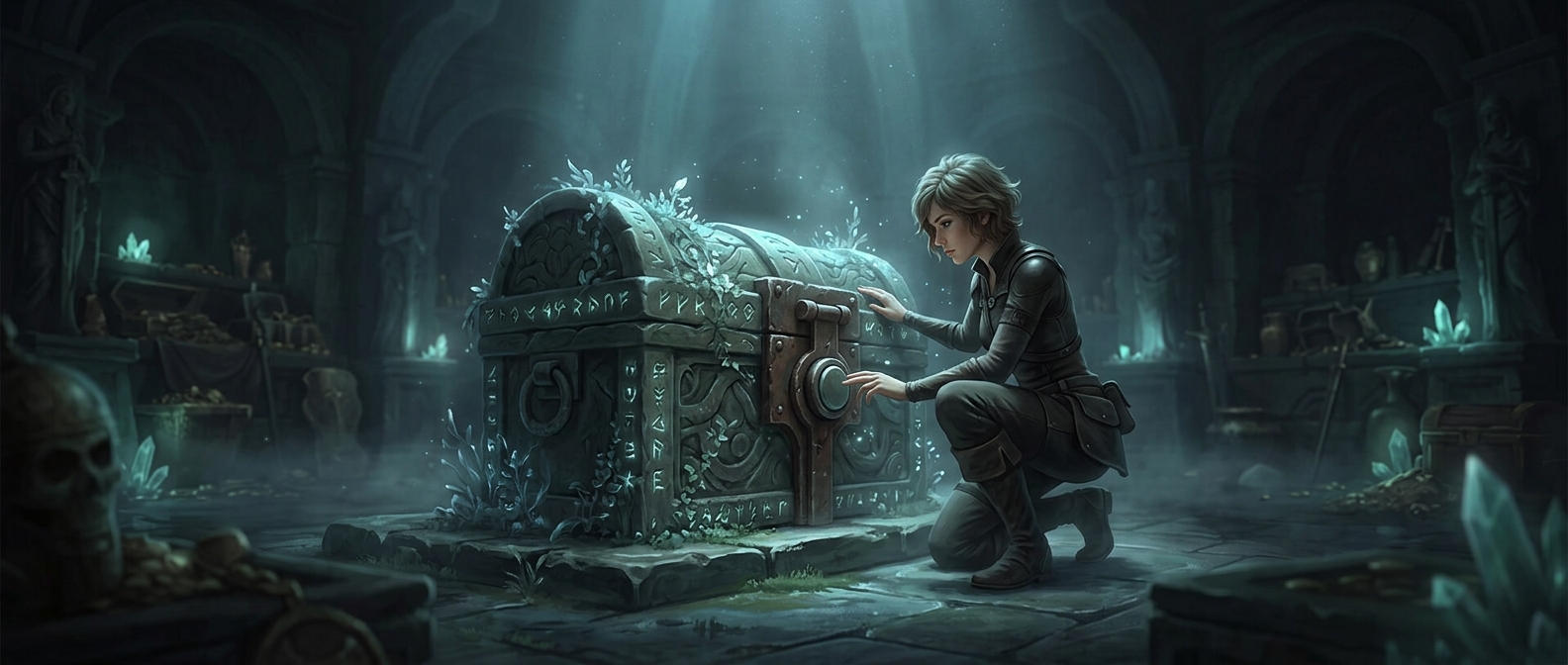
Games teach players that pressing a button makes something happen: a character jumps, a menu opens, a weapon fires. When a chest begins a dramatic opening sequence, that same habit kicks in—even if the animation will run for its full duration regardless of input.
The mismatch is between visible progress and available control. The lid moves, the reward is nearly in view, and the player’s usual tool for influencing the game is right there. Repeated presses become a way to act during a moment when the game has temporarily taken the action out of the player’s hands.
What the wait does for the reveal
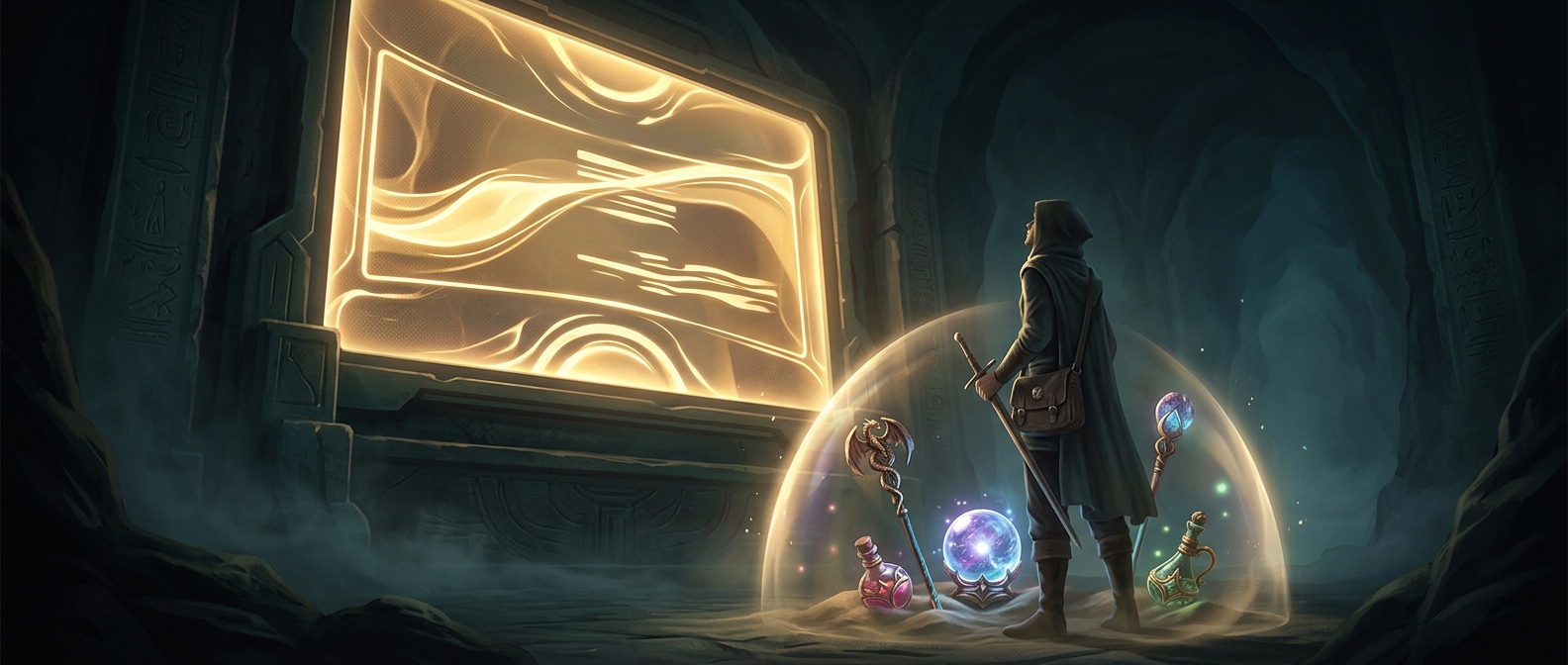
A pause lets the game present the reward as an event rather than a menu result. The animation can build anticipation, show off the item, or give the discovery a little ceremony. Button-mashing gives the player something to do while that reveal unfolds, even when it does not make the chest open faster.
Whether presses are ignored, stored, or used to skip the sequence depends on the game. But if the animation has a fixed duration, extra tapping cannot hurry it along. The funny part is that the player’s reflex is still sensible: most of the time, pressing a button does change what happens next.