The Last Move Happens After the Match
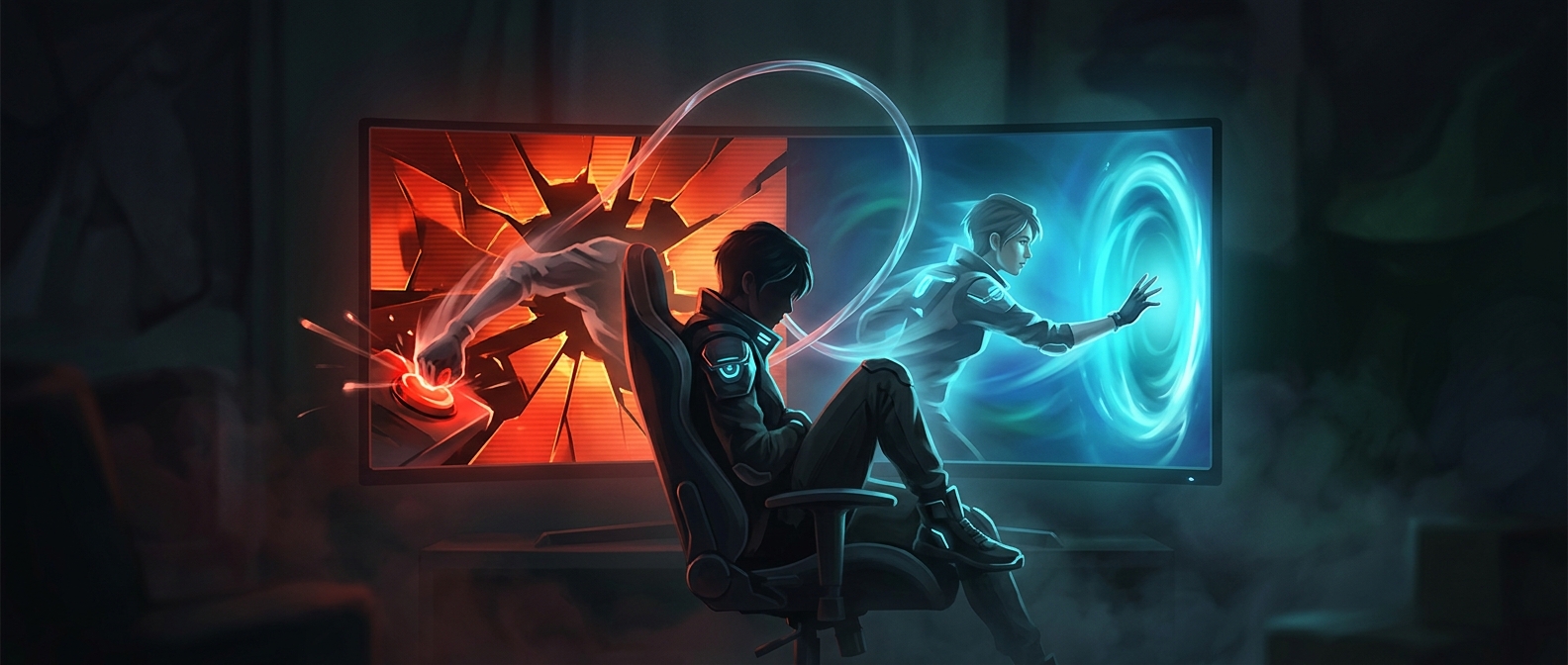
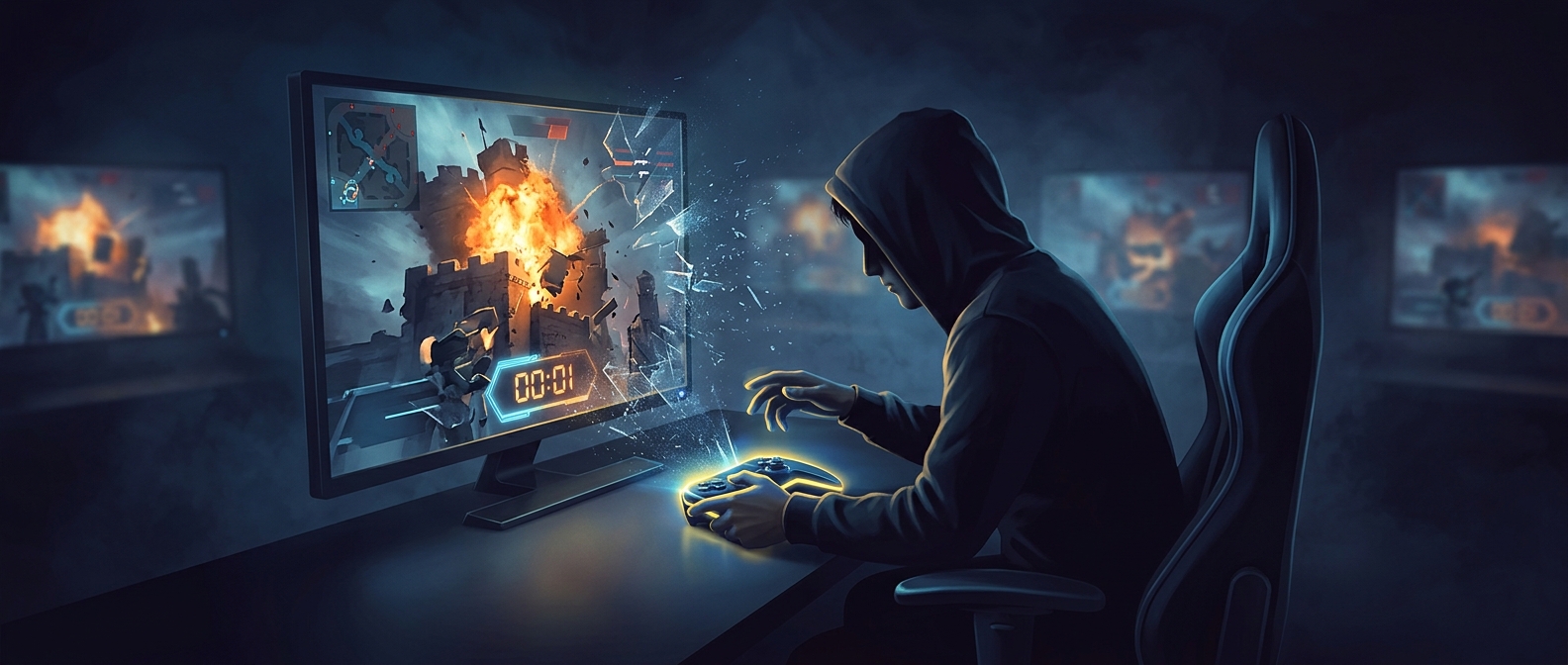
In some competitive games, the contest may be decided before the final screen has finished its work. The server can register a winner, but players still have to move from the live match into a results sequence: the scoreboard, a victory pose, or a finishing animation. If that sequence depends on the match session remaining connected, quitting at just the right moment can interrupt what the other player sees.
That timing gives the losing player a small, unusual kind of control. They cannot change the result, but they may be able to spoil its presentation. The winner gets the win on record while losing the celebratory moment that makes the result feel complete.
Why a Disconnect Can Spoil the Celebration
Online games often treat the result and its presentation as separate steps. The game must settle who won; then clients display that outcome. A disconnect during the handoff can leave the opponent with an abrupt exit, a missing animation, or a return to a menu instead of the intended finale. The precise effect depends on how a particular game handles that transition, so quitting does not disrupt every game in the same way.
The gesture is spiteful partly because it targets a ritual rather than the competition itself. A victory animation is a brief reward built into the game’s pacing: the action stops, the winner is recognized, and the match gets a clear ending. Denying that moment cannot take back the win, but it can make the win feel less satisfying. It turns the final seconds—after the outcome is already decided—into one last chance to affect the other player’s experience.