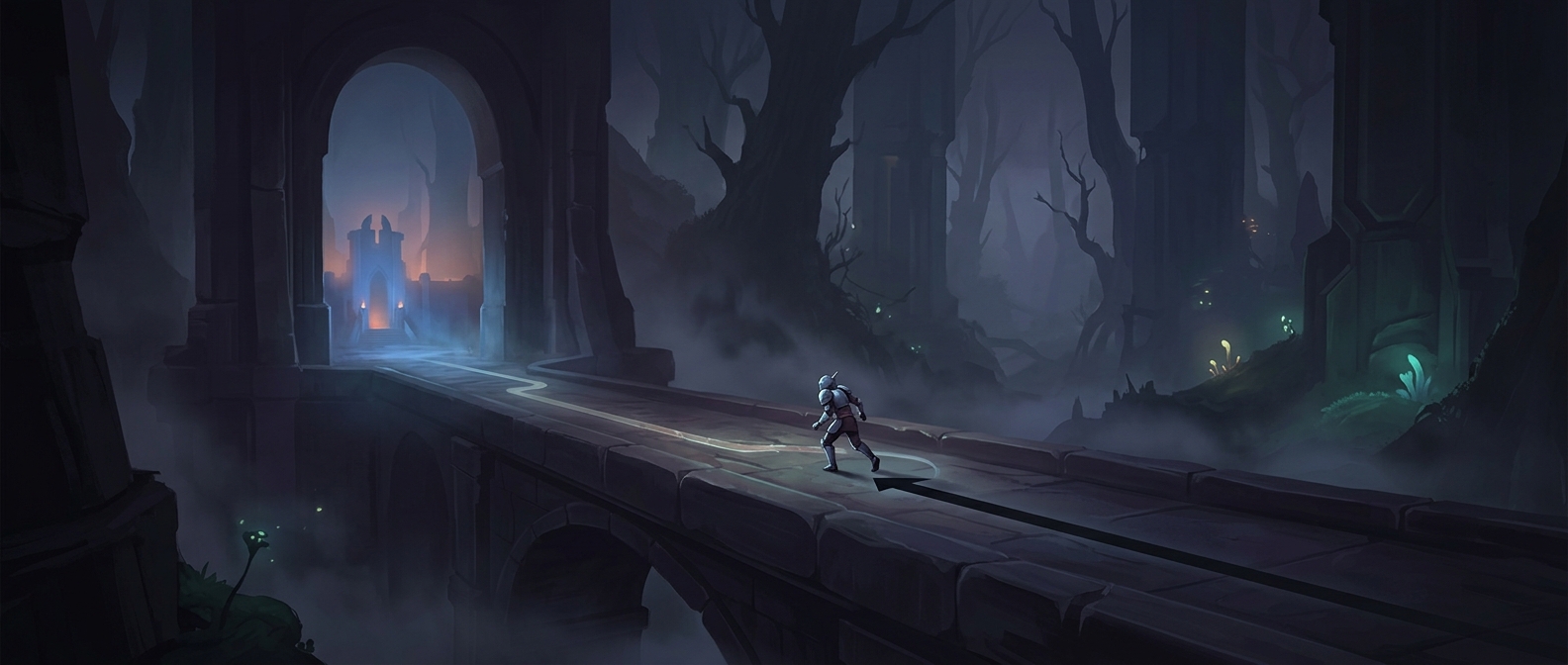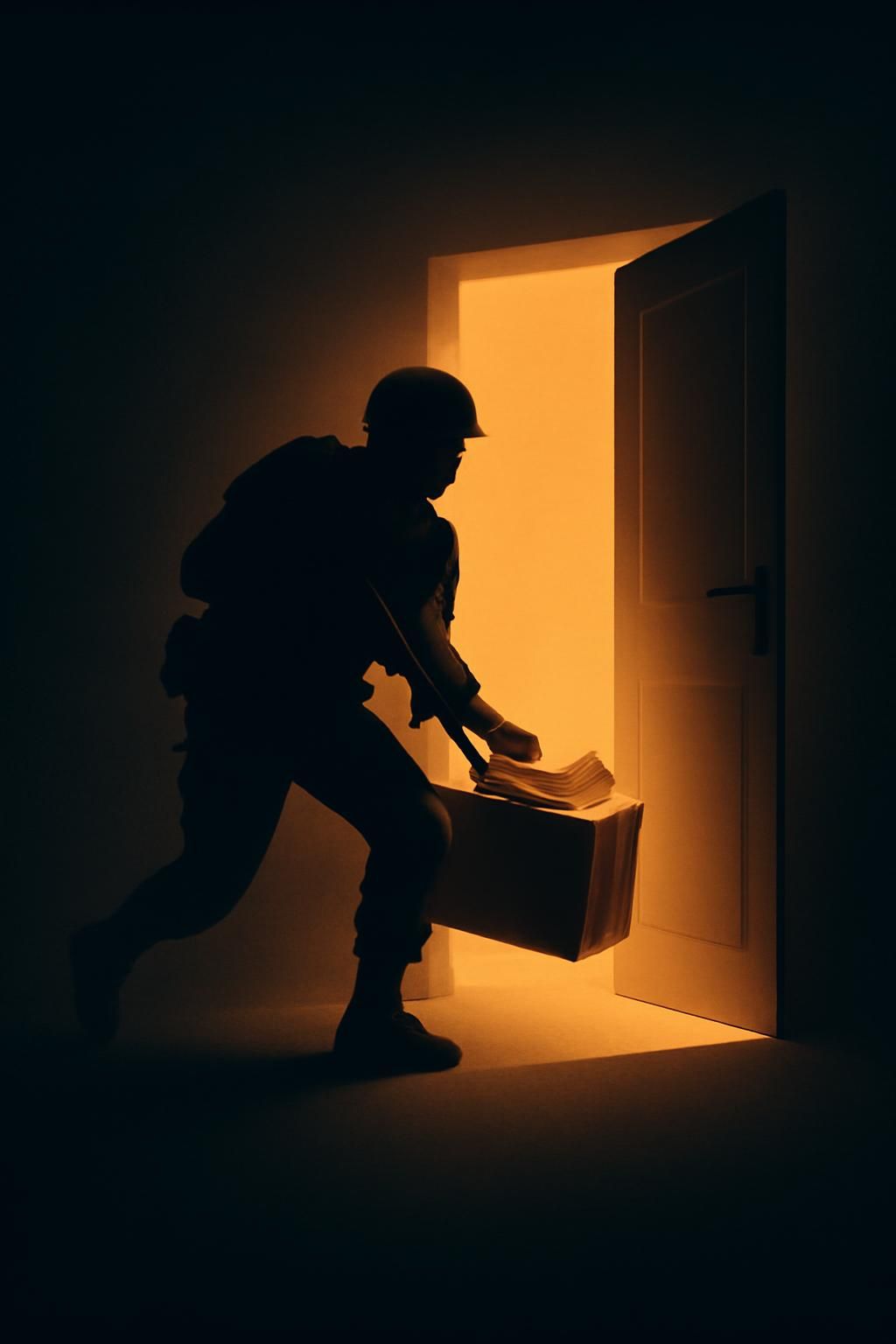
The exit is the real objective
An extraction shooter turns a familiar game question—“Can I win this fight?”—into a more consequential one: “Is this fight worth taking?” Players enter a match carrying equipment, search for better gear, then try to reach an extraction point. The valuable items they find matter only if they make it out; a death can erase the gains and cost them the kit they brought in.
That structure makes leaving an active decision, not a victory screen. The longer a player stays, the more chances there may be to find useful loot—but also more time to encounter opponents or get caught far from an exit. A bag full of prizes can make retreat feel smarter even when the player is still capable of fighting.
Every sound carries a risk
Because other players may be pursuing the same rewards, a gunshot has two meanings: it may signal danger nearby, and it may reveal where the shooter is. Even ordinary movement can become a tradeoff between speed and discretion. Players must judge not just what they can see, but what their presence might tell someone else.
This creates tension without requiring a constant stream of combat. Waiting, changing routes, or abandoning a promising area can be meaningful choices because they protect what is already at stake. The opposition also need not be a single obvious rival: a player can be threatened by another scavenger, the environment, or the route to extraction itself.
Risk becomes part of the reward
The design makes equipment feel like more than a tool for winning the next encounter. Bringing stronger gear may improve a player’s chances, but it also raises the cost of failure. Going in lightly equipped limits the loss while making survival harder. The game’s central calculation is therefore personal: how much value is worth risking, and when is enough enough?
That is why a successful escape can feel more satisfying than a kill. The player has not merely found something valuable; they have carried it through danger and made it out with it.