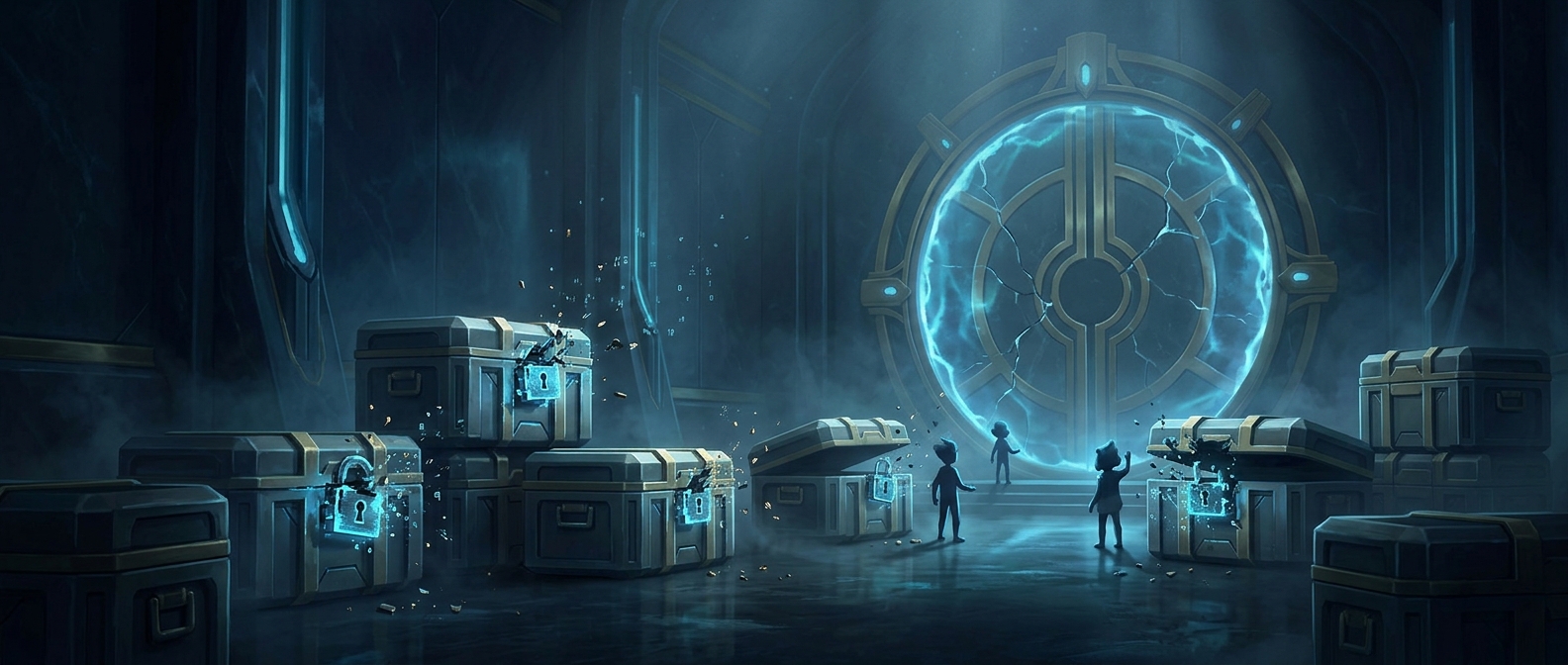
A lock is only as strong as its access check
A personal stash in an online game is more than a container on screen: it is a record of which player owns which stored items, and who is allowed to retrieve them. The lock is meant to make that boundary hold even when other players can reach or interact with the stash in the shared world.
At launch, a bug weakened that boundary. In effect, the game sometimes failed to enforce the protection that should have kept another player out. The exact technical failure is not specified, but the key distinction is between seeing or approaching a stash and being authorized to take what is inside. A working system must check permission when a player tries to remove an item—not merely display a lock or rely on the interface to discourage access.
Why a launch bug can cost more than loot
The items at stake may represent hours of gathering, crafting, or exploration. Losing them is not just a setback in a game’s inventory system; it can erase the result of a player’s time and make the world feel unsafe. That damage can spread beyond the people whose stashes were exposed: players may stop storing valuable items, avoid shared spaces, or hesitate to invest more effort.
Launch periods make this especially consequential. Many players are testing the same new systems at once, so a flaw in a basic protection can be encountered and repeated before the game’s boundaries are understood. A virtual lock is ultimately a promise enforced by the game’s rules, not by the picture of a lock on screen. When that promise fails, the loss is measured in both stolen items and shaken confidence in the world.