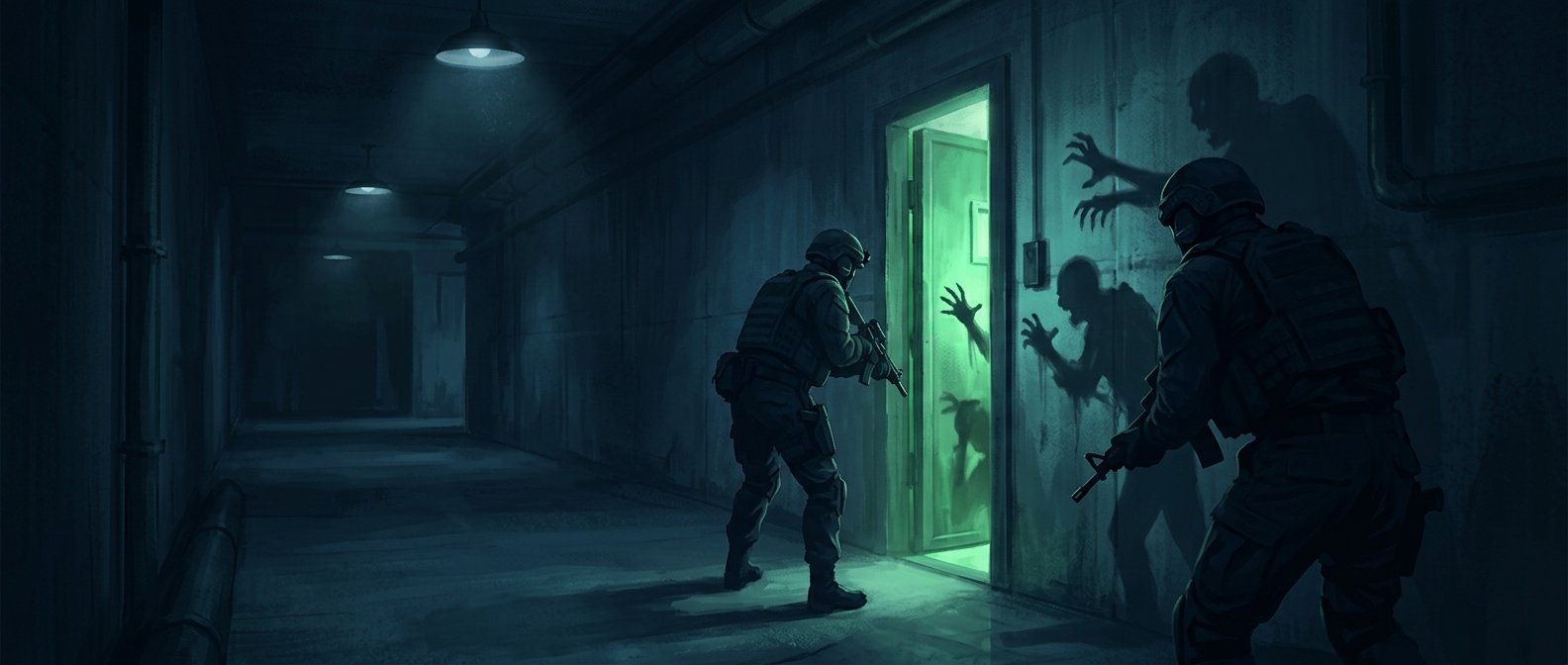
One television, four separate battlefields
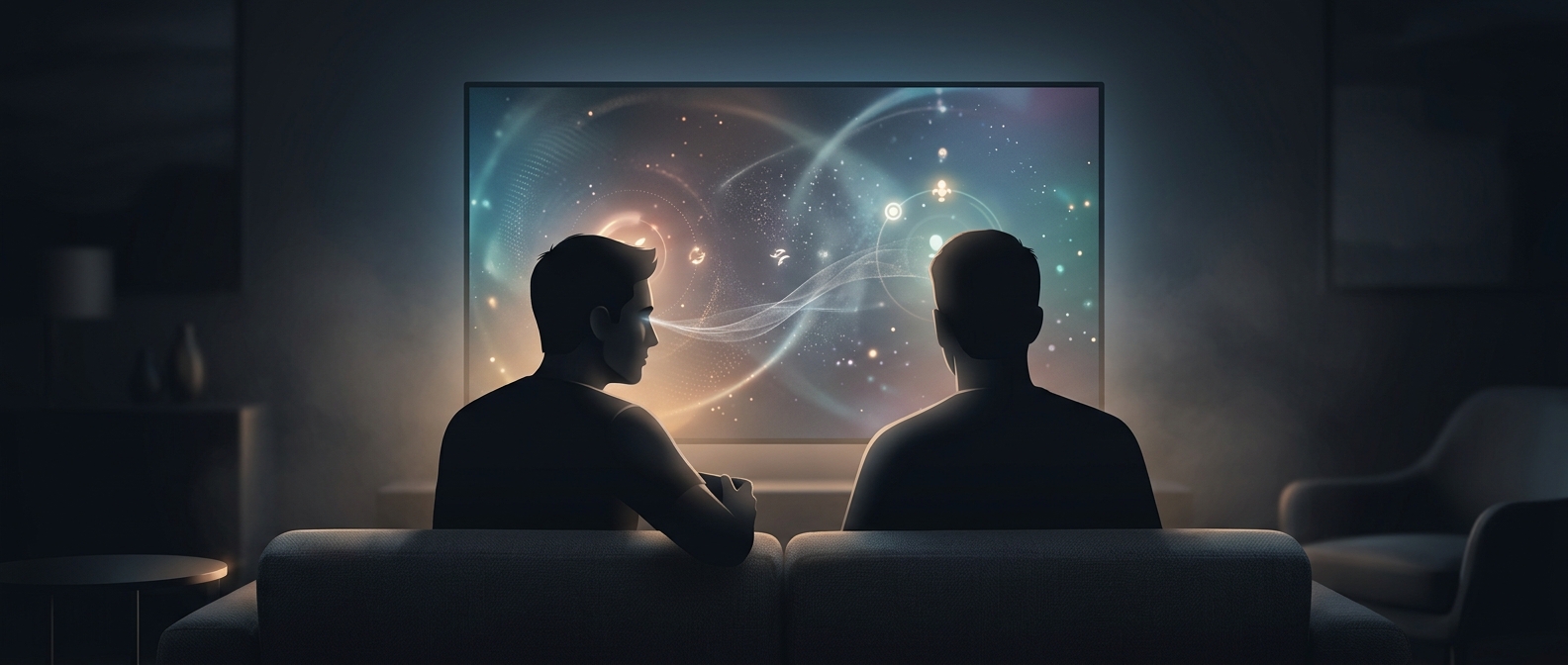
GoldenEye 007’s multiplayer put up to four players on one Nintendo 64, dividing the television into separate views. Each player controlled a different character and had an independent camera, so nobody had to wait for a turn—or connect over a network—to compete. The cost was space: with four players, each person’s view occupied only a quarter of the screen.
That layout also created an accidental information leak. Although each view was meant for its player, everyone could see all four. A quick glance at a rival’s corner might reveal where they were hiding, which direction they were moving, or whether they were lining up a shot. Players came to call the tactic “screen-looking” or “screen-cheating.”
The screen became part of the contest
The game could not conceal one player’s view without giving each person a separate display. Instead, the shared television turned observation into another possible tactic. Players could try to protect their corner, watch opponents openly, or bluff by acting as though they had not seen anything. The small windows made it harder to follow distant action, but made a nearby opponent’s position unusually easy to check.
That tension fit the game’s close-quarters matches: weapons, routes, and sudden encounters mattered, but so did knowing where everyone was. A rule set could make a match feel completely different, yet screen-looking remained a choice players made around the same living-room display.
Why it became legendary
The joke that GoldenEye ruined friendships points to a real design tradeoff, not a hidden feature: local multiplayer was easy to start because everyone shared one console and one screen, and that same convenience let rivals spy on one another. The result was a peculiar kind of honesty—four players could see the battlefield, but only one could pretend not to be watching.