A bonus room that became its own game
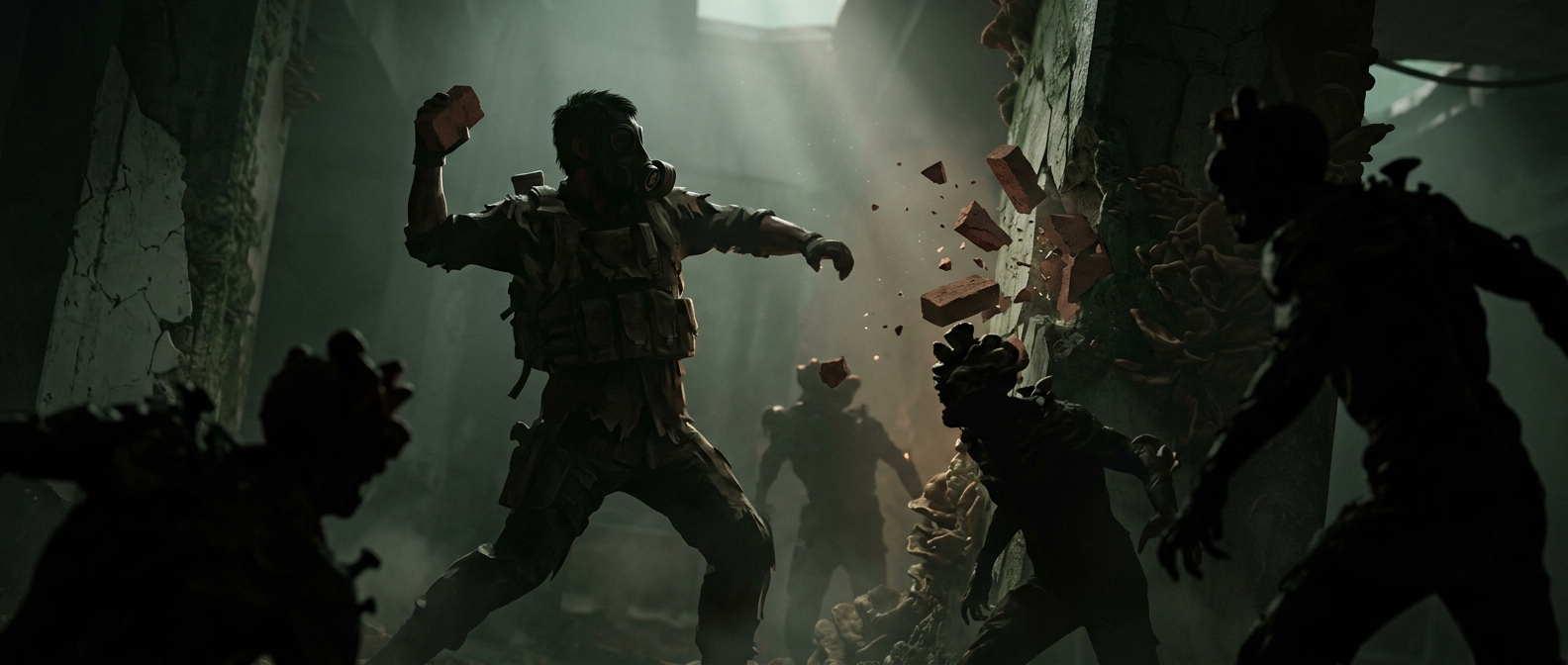
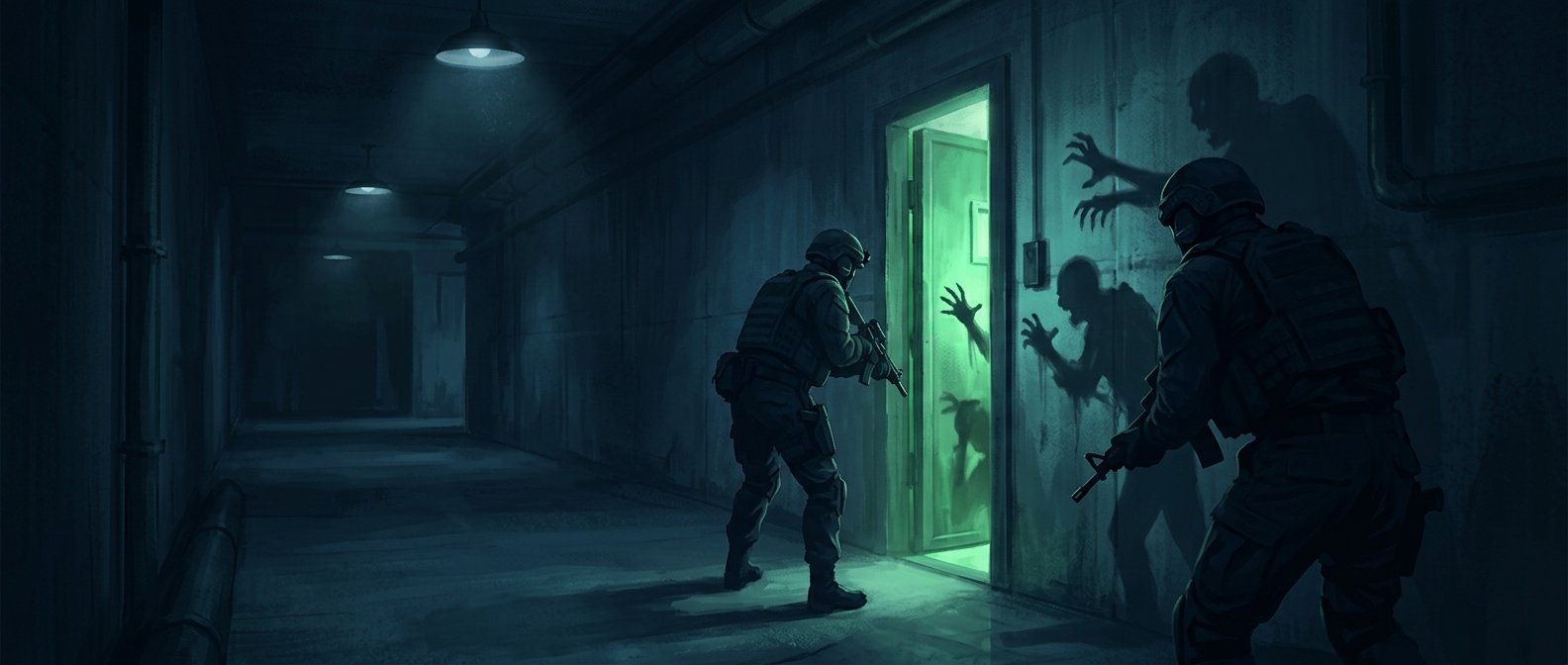
In Call of Duty: World at War (2008), finishing the main campaign opened a very different kind of challenge: Nazi Zombies, a cooperative survival mode set in a besieged building. Instead of advancing through a scripted war story, up to four players had to hold out against repeated attacks by the undead.
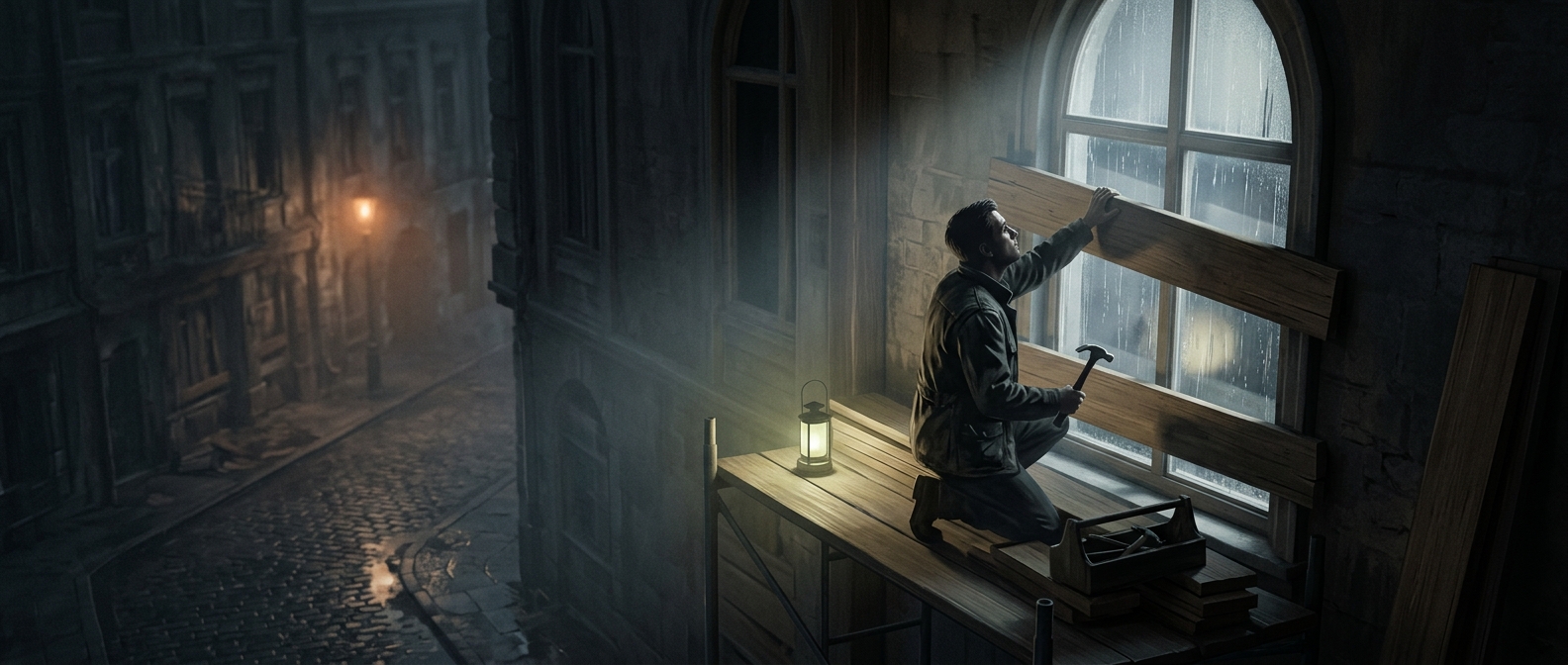
The small starting room made every decision matter. Players could shoot zombies, repair damaged barricades, and spend points earned in combat to open doors or buy better weapons. Opening a route offered access to supplies and space, but also gave the attackers more ways in. Survival depended on coordinating those choices, not simply aiming well.
From hidden extra to franchise staple
That structure gave the mode a reason to be replayed: each attempt could end differently as players pushed farther into the map, ran short of resources, or failed to cover one another. Its contrast with the campaign was part of the appeal. The campaign delivered authored missions; Zombies offered a repeatable test of teamwork and endurance.
What began as an unexpected post-campaign reward proved durable enough to return in later Call of Duty games, with new maps and variations. The original surprise mattered, but the lasting hook was simpler: a cramped room, a rising crowd, and a team deciding whether the next door was worth opening.