Why dungeon parties divided the work
In a multiuser dungeon, or MUD, players shared a text-based world and fought computer-controlled enemies together. Combat was described through messages, and players often issued typed commands rather than reacting instantly to animated action. When a fight involved several people, a party worked better if each player had a clear job than if everyone tried to do the same thing.
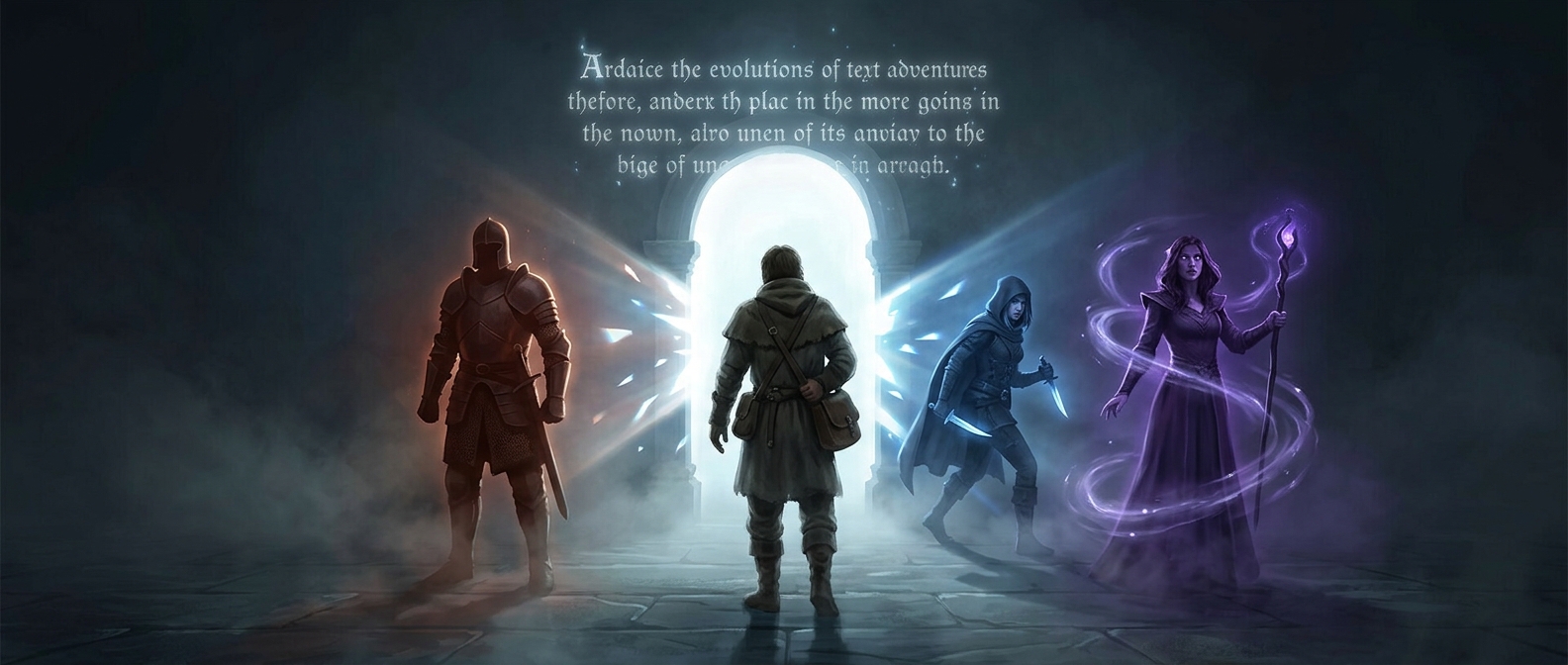
One character could withstand attacks and keep an enemy focused on them. This became the tank role; “aggro” is gaming shorthand for an enemy’s attention. A healer restored allies’ health, while damage dealers concentrated on defeating the enemy. The arrangement turned a chaotic group fight into a division of labor: endure, recover, and finish.
A social solution became a design pattern
The roles also made coordination legible in a world delivered as text. Players could understand what the group needed, choose a character built for that task, and plan around one another’s limits. A tough defender alone might last but deal too little damage; attackers without support could fall before the fight ended. Specialization made cooperation consequential.
Later online role-playing games gave the pattern clearer visual form, but its appeal was already practical: it created distinct ways to contribute to the same encounter. The trio is not a rule every game must follow, yet it remains an easy shorthand for party design. When a group needs someone to absorb danger, someone to repair the damage, and someone to end the threat, the old MUD division of labor is still recognizable.