From kitchen counter to alien parasite
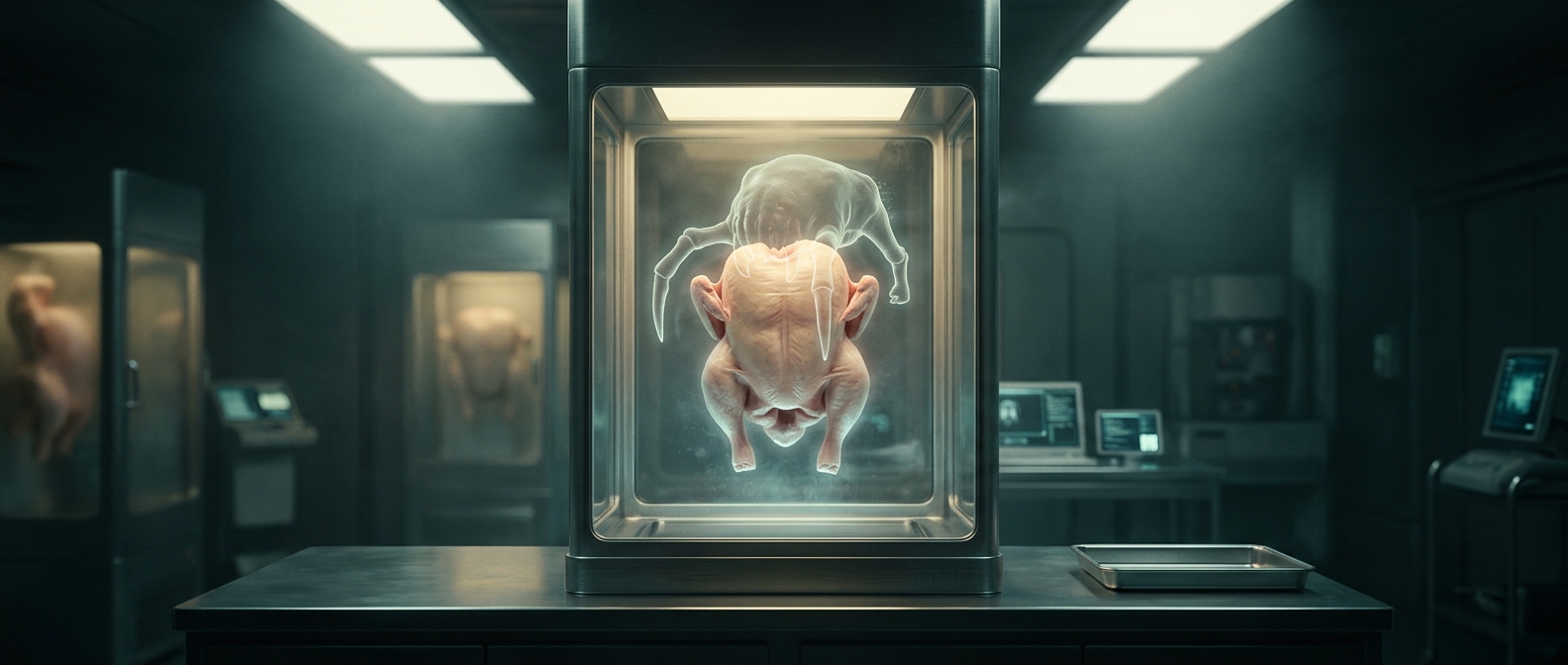
A raw chicken is an unexpectedly useful reference for a creature meant to feel both recognizable and wrong. Its compact body, folded limbs, and exposed, uneven surfaces offer a starting point for an organic shape without making the result look like an ordinary animal. For Half-Life’s headcrabs, the chicken on the developers’ desk served as a physical model to study—not as a creature to reproduce literally.
That distinction matters in game design. A reference gives artists something tangible to observe: how a form sits, where its limbs meet its body, and what makes its silhouette legible. Those observations can then be reshaped into something suited to the game’s world and action. The headcrab’s low, rounded body and spread legs read clearly as it scuttles or launches itself at the player.
A shape that carries the threat
The design also connects appearance to behavior. A headcrab does not merely attack like a conventional monster; it leaps onto a person’s head and can turn the victim into a hostile creature. Its name, outline, and motion all point toward that unsettling idea before the player needs to understand every detail of its biology.
The raw-chicken reference is a small example of how game creatures can grow from ordinary observation. A familiar object supplies the starting anatomy; changes in proportion, movement, and context make it alien. The result is a parasite whose body looks soft enough to be vulnerable—and whose jump makes it dangerous.