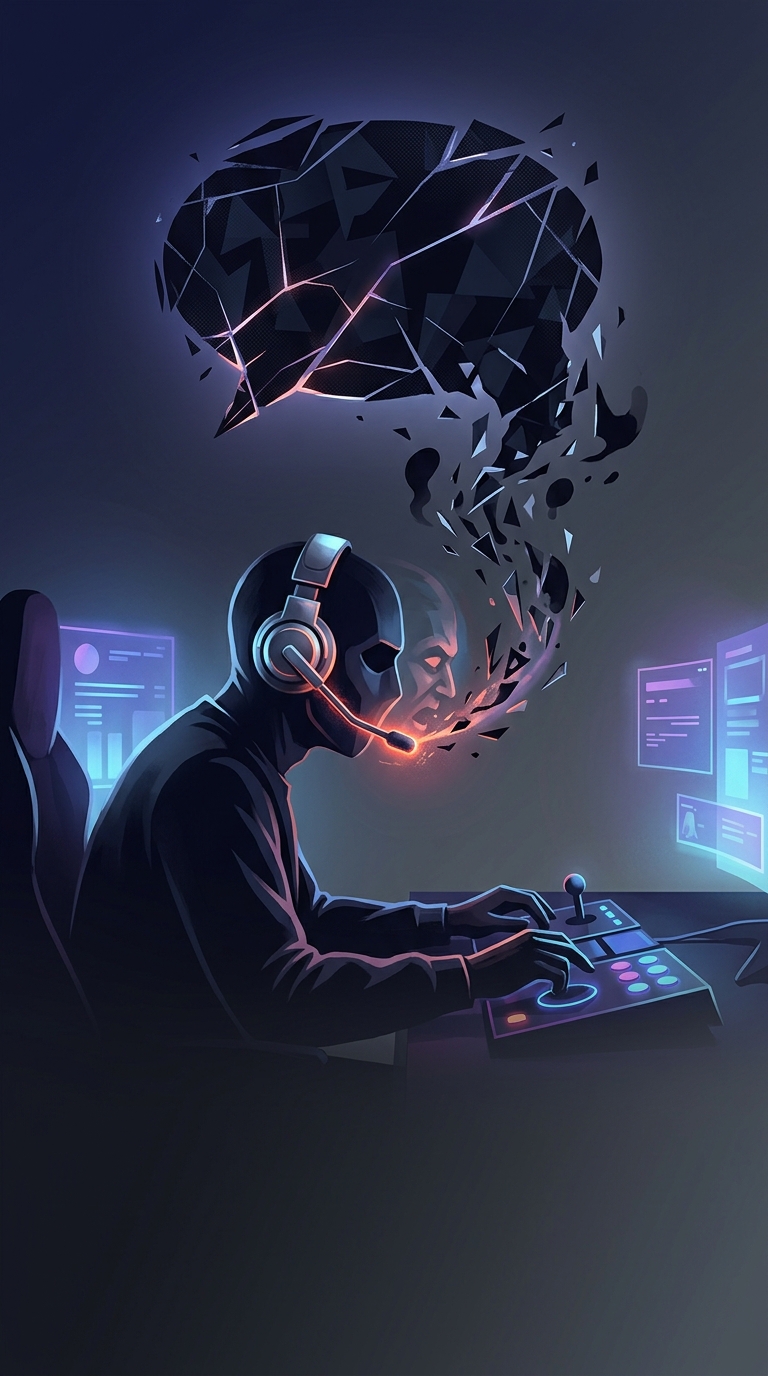
Why anonymous voice chat can turn a match hostile
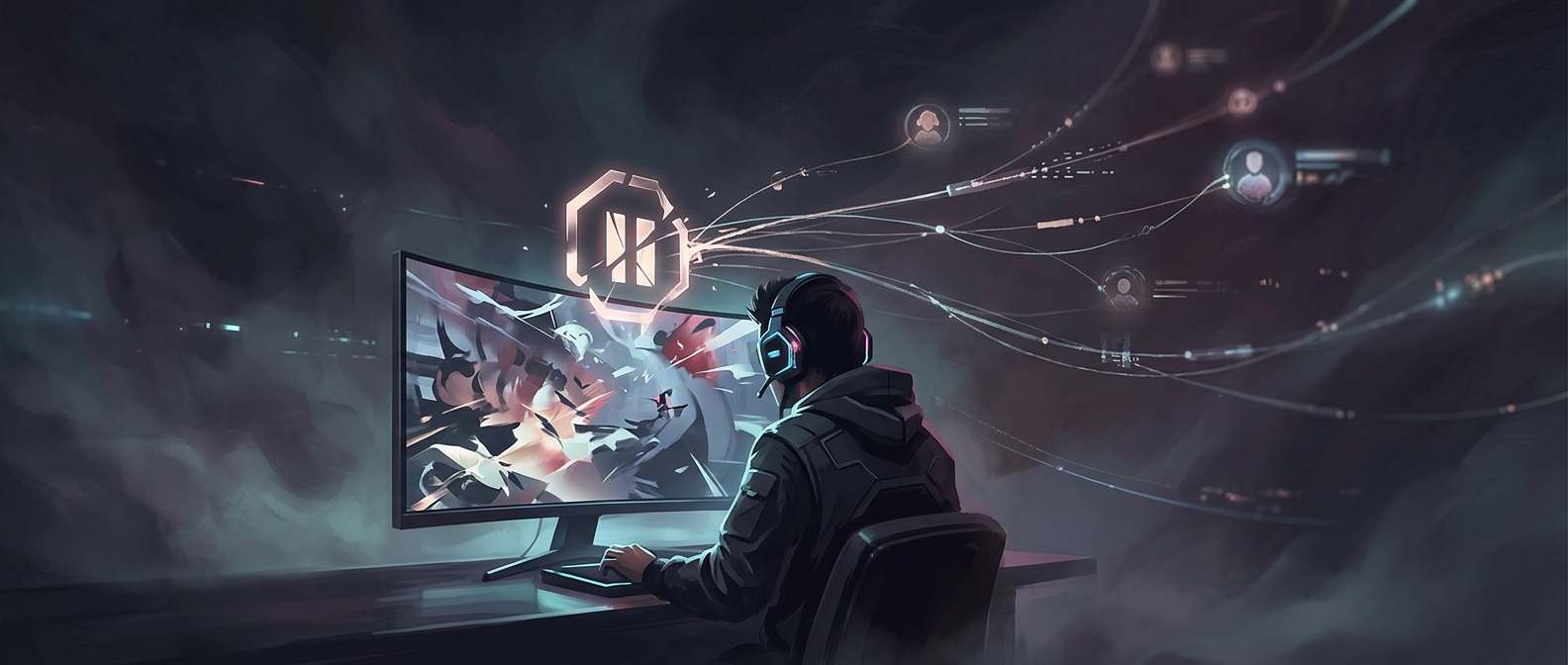
A close game gives every mistake an immediate consequence: a missed call, a lost round, or a teammate’s risky move can feel like the reason the team is falling behind. Voice chat puts those frustrations right beside the people involved. When players cannot see one another, it is easier to react to a teammate as a voice or an obstacle rather than as a person who will have to hear the impact afterward.
That combination can lower the usual brakes on anger. Anonymity reduces the social cost of saying something cruel, while the speed of live play leaves little time to reconsider a snap response. Competitive pressure supplies a ready target: the teammate whose decision seems to have cost the match.
How one outburst spreads
Hostility can become self-reinforcing. A player who feels blamed may answer with an insult or stop sharing useful information. Others then interpret the silence or retaliation as proof that cooperation is pointless. The team communicates less, performs worse, and gains more reasons to blame one another. What began as frustration about a play can become a fight about who belongs on the team.
Voice makes this escalation especially immediate. Tone, interruption, and shouting carry emotion faster than text, and teammates hear the reaction in real time. But anonymity and competition do not make aggression inevitable: they create conditions in which it can be easier to start and harder for a tense group to cool down.
The design tradeoff
The same open channel that enables harassment can also make coordination faster and more precise. Games therefore face a practical tension: preserving quick team communication while giving players ways to mute, report, or leave a channel that has turned abusive. For an individual player, muting a hostile voice can do more than remove an insult—it can stop that outburst from shaping every decision that follows.