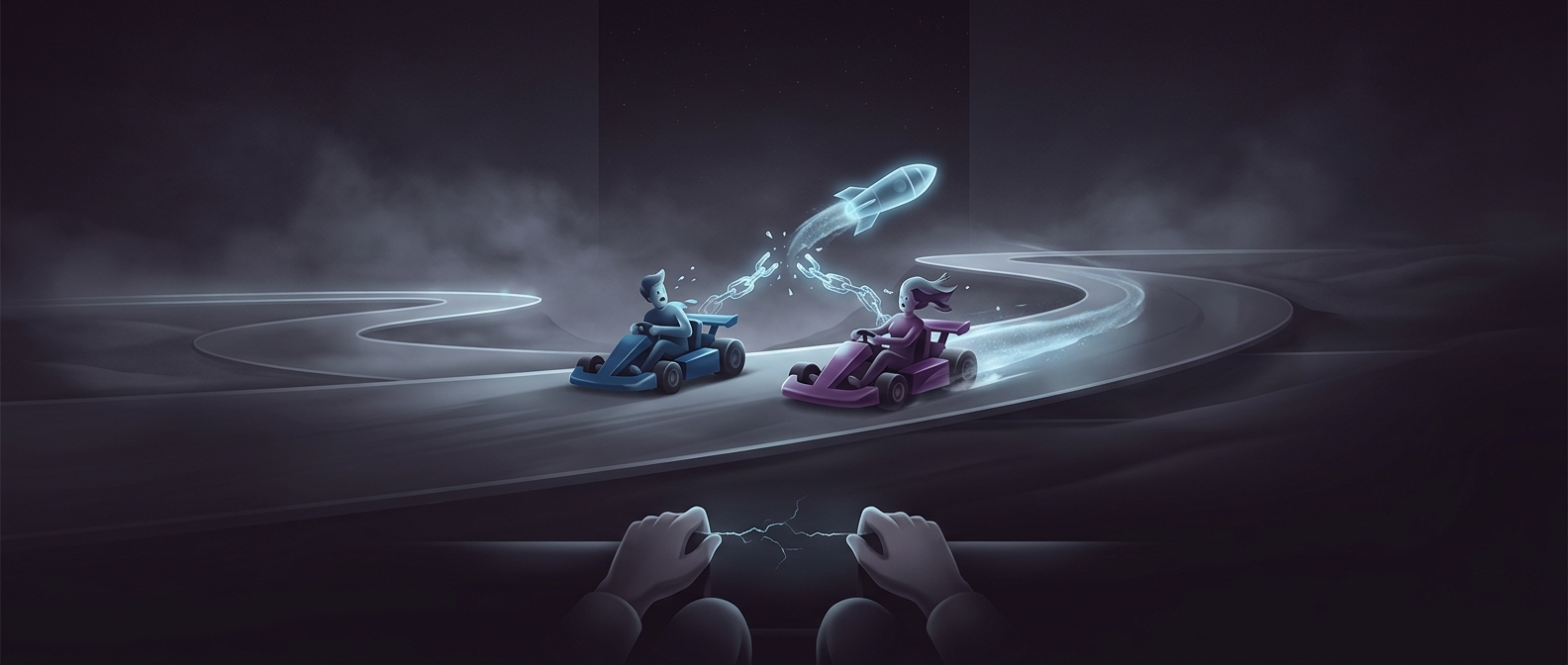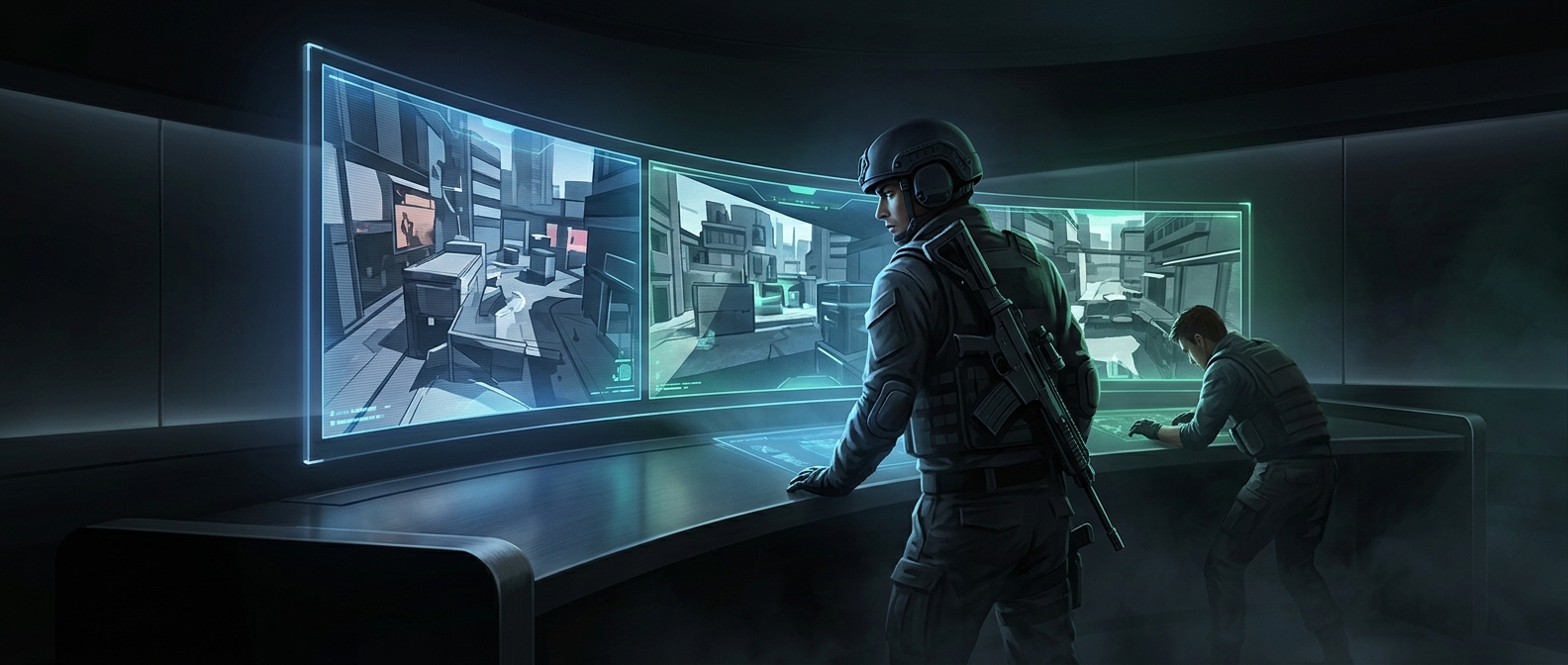
The TV became a second radar
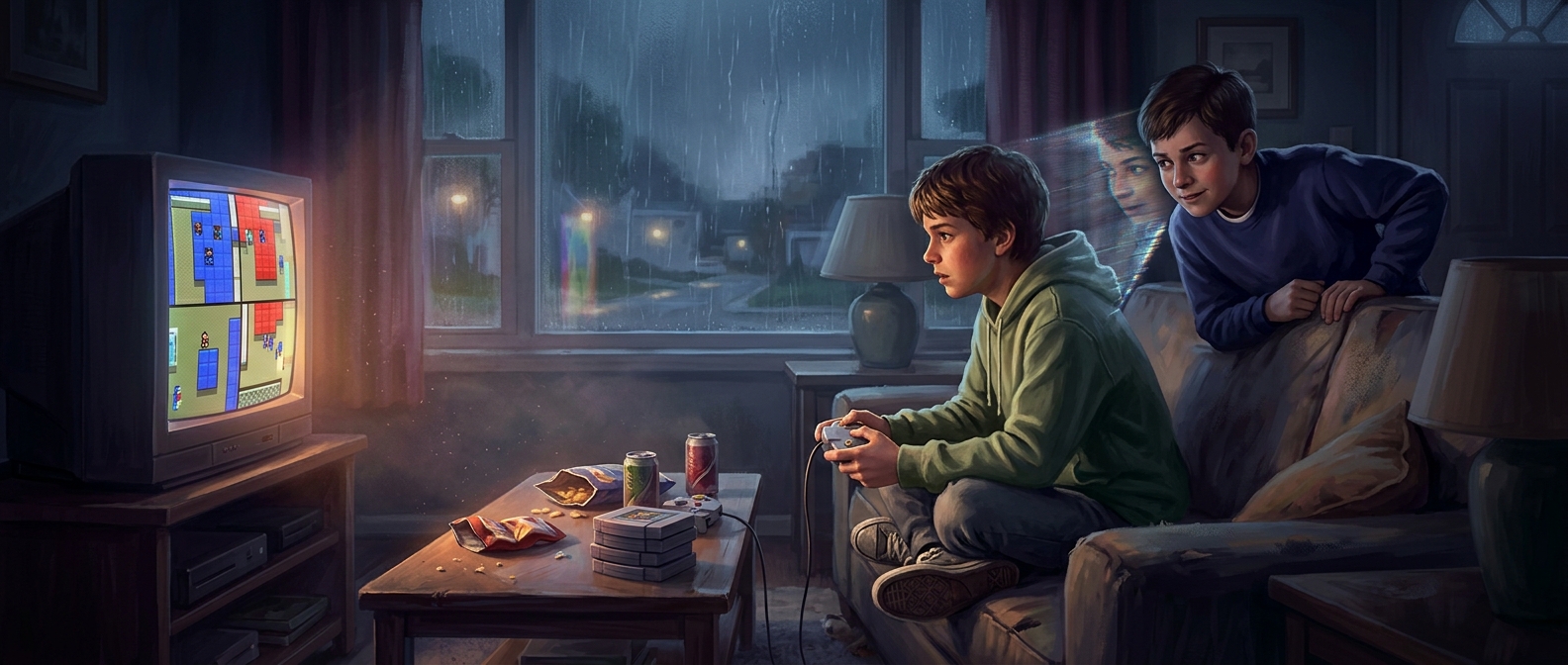
GoldenEye’s split screen gave each player a private view of the action—but put all those views on one television. That created an unusual information leak: an opponent might be hidden around a corner in your own quadrant, yet plainly visible moving through theirs.
Players could use that extra view to infer where someone was headed, then turn their own character toward the likely route. In a game where sightlines and surprise mattered, the shared screen quietly changed what “hidden” meant. A player could be concealed in the game world without being concealed from the person holding the controller.
The counterplay changed the match
Once everyone knew the screen could be watched, looking at rivals’ quadrants became part of the contest. Sneaking could still help, but it was no longer dependable protection. Opponents might anticipate a doorway, aim into a passage before anyone appeared, or fire a powerful weapon toward a position they had spotted elsewhere on the TV.
That produced a funny design tradeoff: the split screen made local multiplayer possible, while also exposing information that a private screen would normally keep secret. The result was less a careful contest of who could stay unseen than a contest over who could exploit the shared display—and who could act before the other player did. A glance at someone else’s quadrant could be as valuable as a well-placed shot.