A flashbang doesn’t know whose side you’re on
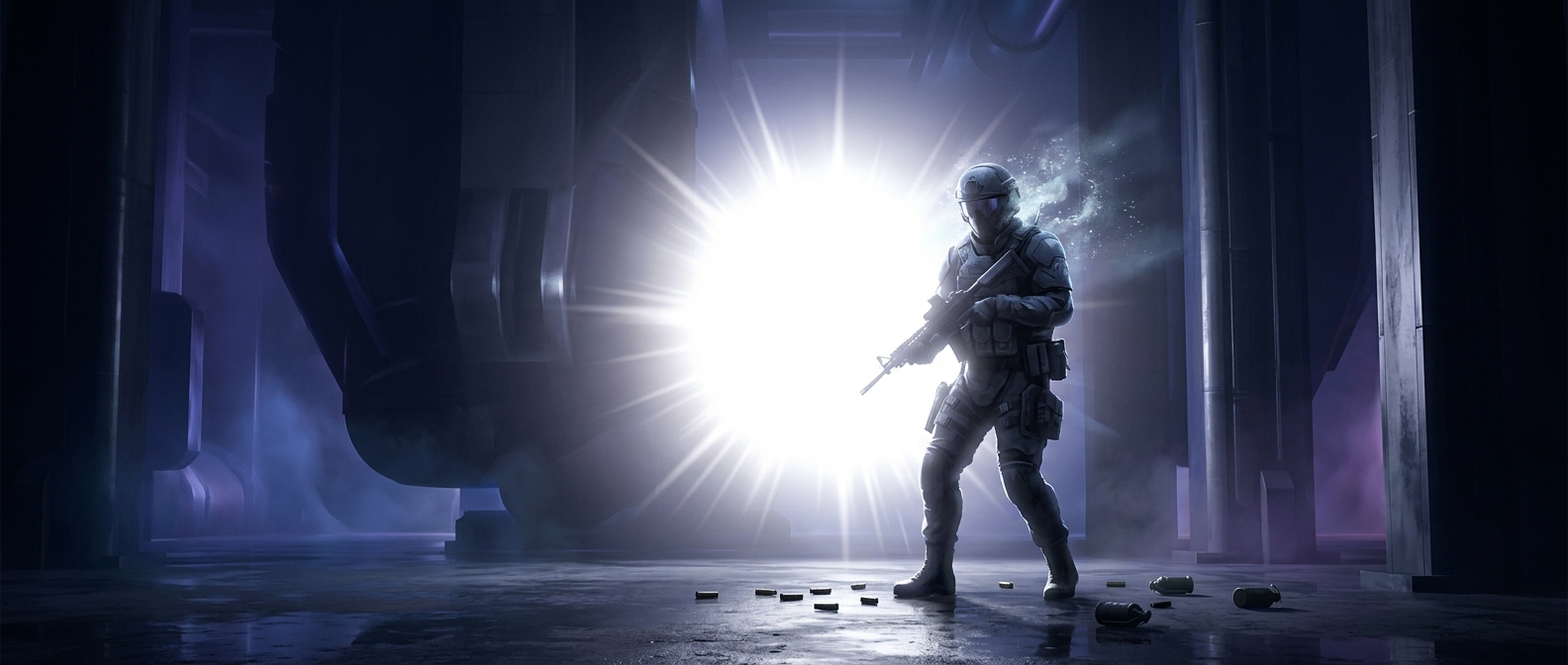
In games where flashbangs affect teammates, the blast checks your position and view—not your team badge. If you’re close enough and looking toward the detonation, the screen can wash out before an opponent has even entered the fight. The grenade’s friendly-fire effect turns a tool for creating an opening into a hazard for anyone caught in its burst.
How much it blinds you depends on the game. Distance, whether you’re facing the blast, and whether a wall or other cover blocks it can all matter. So a teammate may escape the worst of their own throw while a nearby ally, holding a different angle, gets the full effect.
The opening can become a giveaway
A flash is meant to disrupt opponents long enough for your team to move or attack. But timing is everything: if it pops as a teammate pushes through a doorway, that player may lose the few seconds of sight they needed to aim, retreat, or recognize an enemy. The opposing team can then exploit the confusion—or simply wait for the flash to fade.
That risk is part of the coordination challenge. A useful throw needs more than a good target; teammates need to know when it’s coming and avoid staring into the blast. The same grenade that creates an opening for one player can close the window for another.