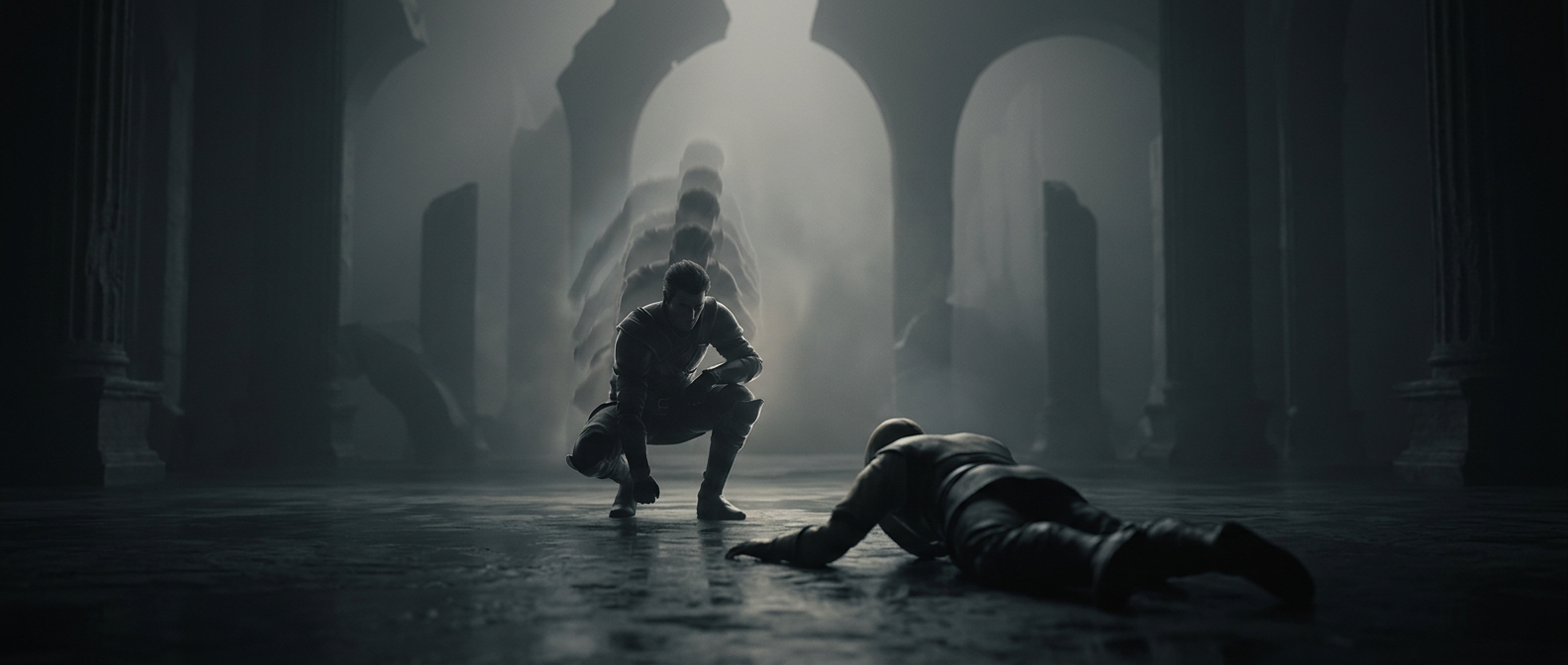
A movement control became a message
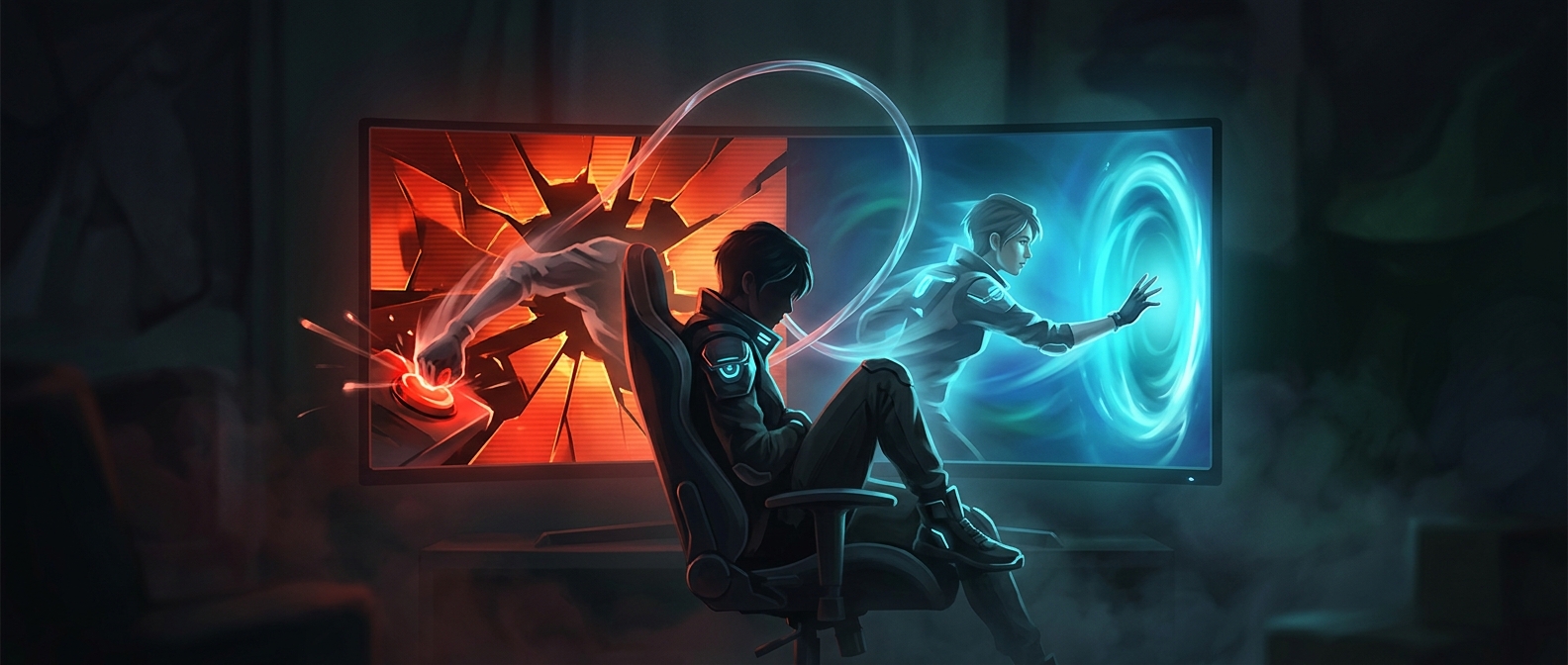
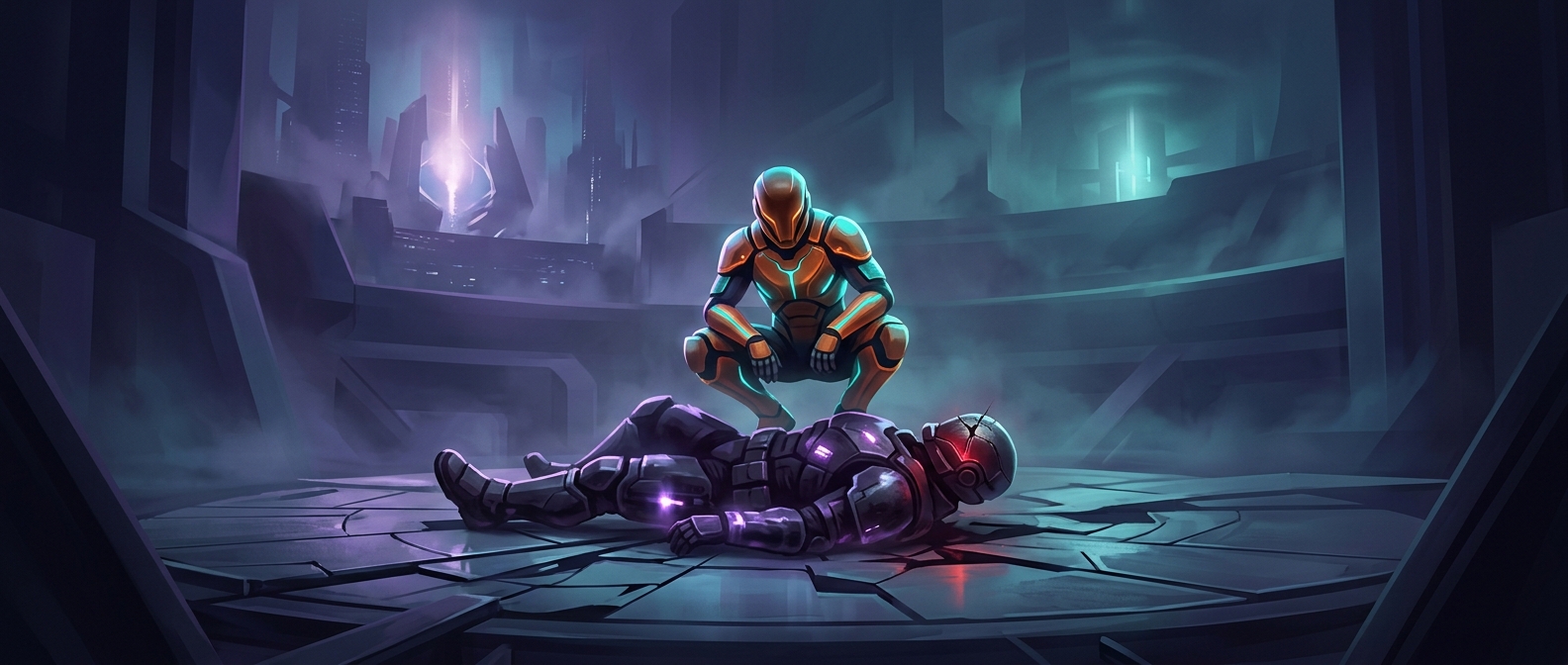
Crouching was usually built to help a character move or take cover, not to communicate. But in a multiplayer match, other players can see the avatar’s posture. A quick crouch can look like acknowledgment; repeating it over a defeated opponent makes the same motion read as mockery.
The key is repetition. One crouch has a practical explanation: the player may be ducking, adjusting position, or using a game mechanic. A series of rapid crouches, performed when no tactical benefit is apparent, signals that the action is deliberate. The opponent becomes the audience, and the timing supplies the taunt’s meaning.
Why the gesture caught on
Unlike a dedicated taunt, crouching is often available to every player and can be repeated immediately. It needs no words, special animation, or unlocked character move. In games where voice chat is absent—or where players speak different languages—the visible motion still gets the point across.
That simplicity also makes the gesture flexible. The same button can be ordinary movement during a fight and a taunt afterward. Players infer the intent from context: who is crouching, when, and how often. A basic control becomes social shorthand because everyone can see it and understand the timing.