Why a Repeated Crouch Reads as a Taunt
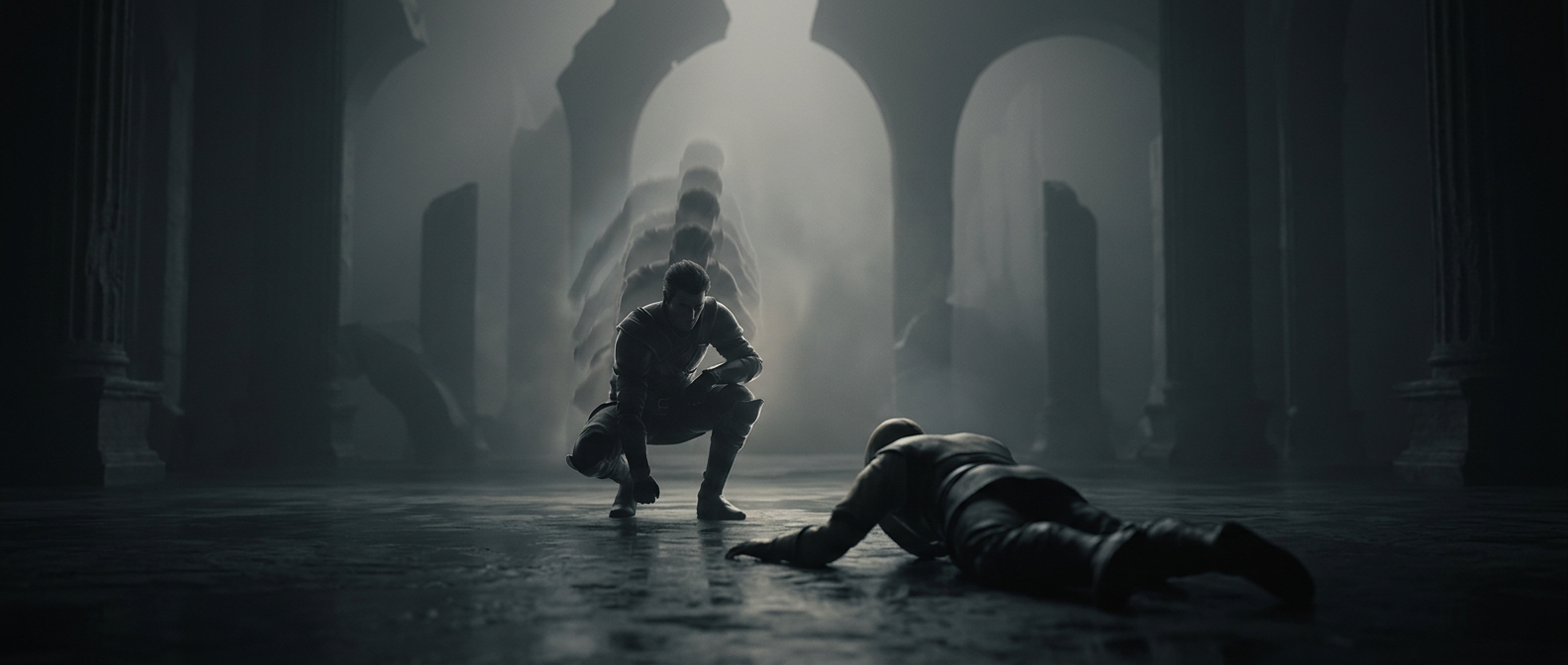
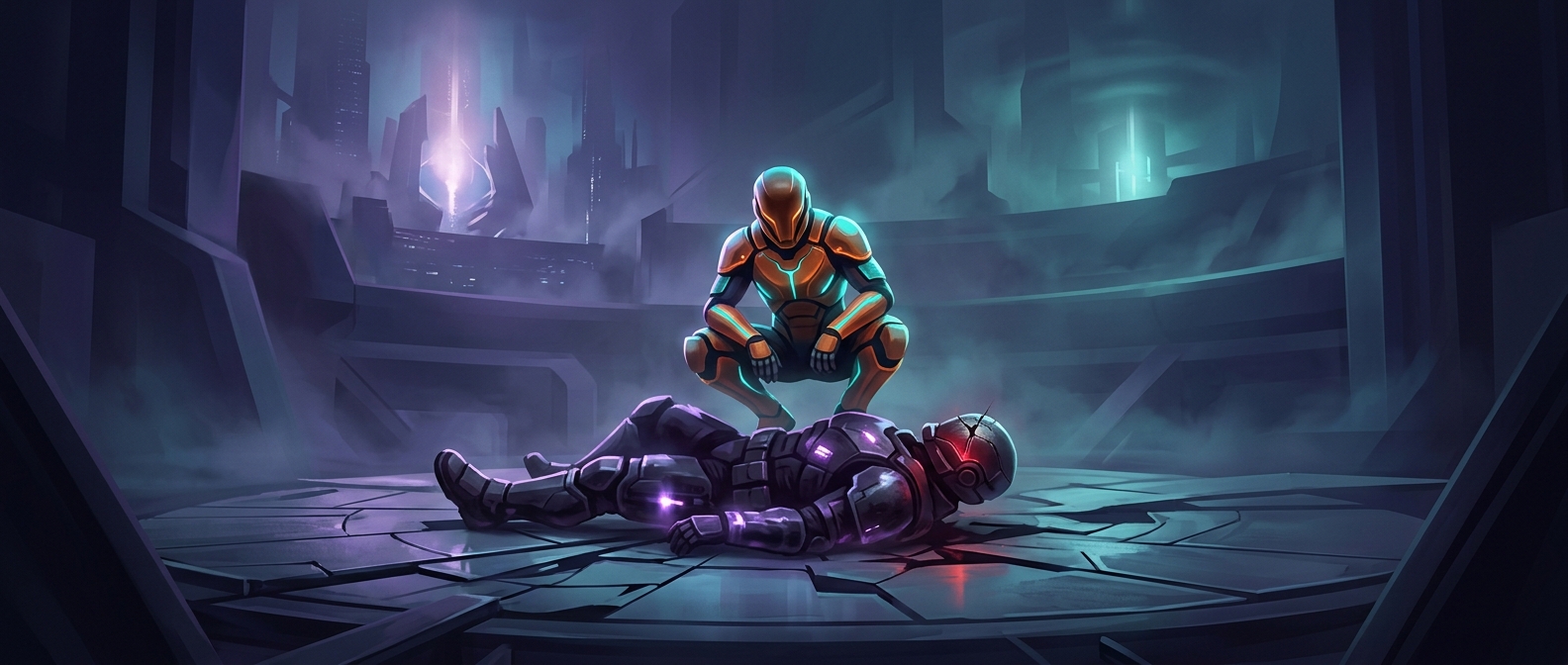
In a game, crouching is usually a practical movement: it lowers a character’s body, perhaps to take cover or fit behind an obstacle. But once an opponent has been defeated, the same motion loses its tactical purpose. Repeating it over the fallen character makes the action look deliberate—and directs the gesture at the person who just lost.
The taunt works through a simple contrast. A single crouch could be ordinary play; a quick series, performed right beside an opponent, is hard to mistake for an attempt to move through the level. The player turns a useful control into a small performance of mockery.
A Message Built Into the Controls
Many multiplayer games offer limited ways to communicate during a match. Players may not be speaking to one another, and a character’s movement is visible even when no message is sent. Repeated crouching takes advantage of that shared visual language: the winner can signal “I’m celebrating over you” without needing a dedicated taunt button or an explanation in chat.
Its bluntness is part of the appeal. The gesture takes only a moment, but the defeated player has to watch it happen from close range. That makes it feel more personal than simply moving on after a win. The taunt is not hidden in the animation; it comes from when and where the player chooses to repeat it.