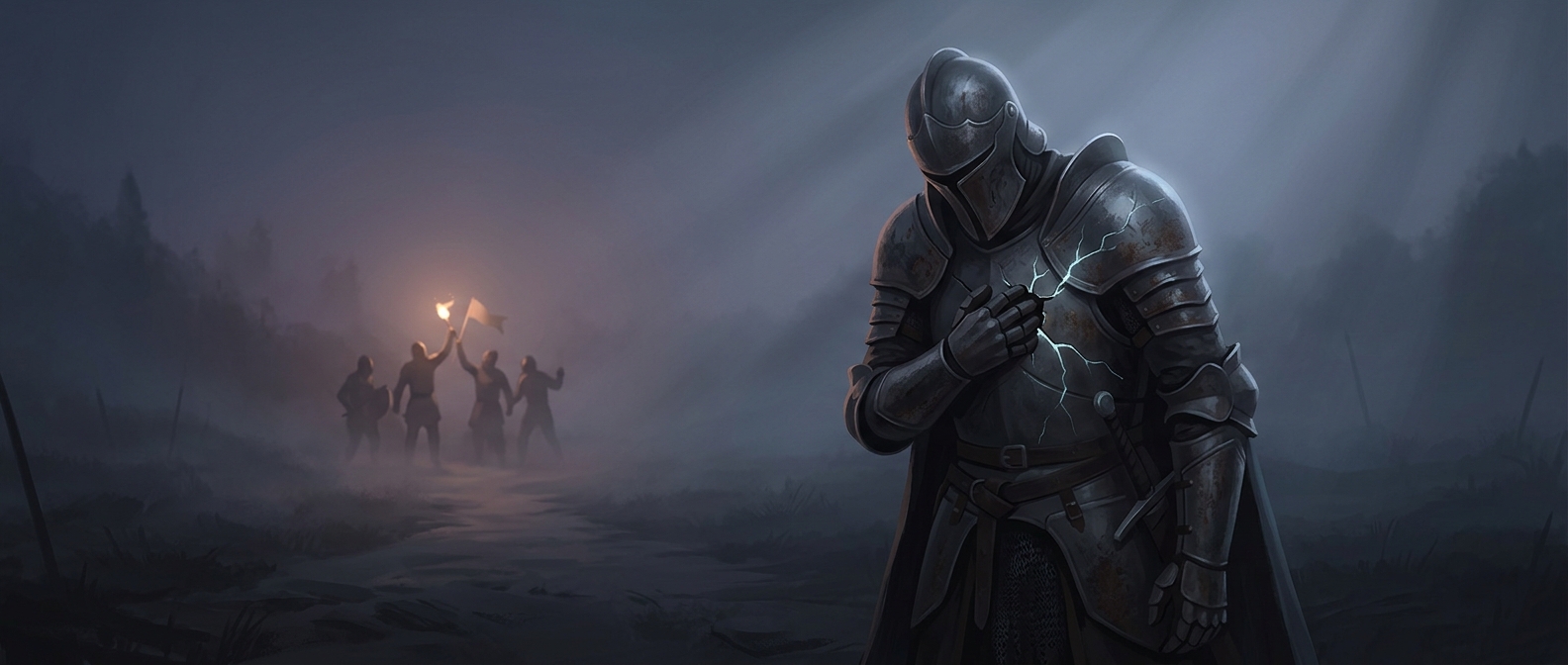
When skill stops predicting the outcome
In a competitive game, practice builds expectations: you learn which moves are likely, how opponents tend to respond, and when a risky play is worth attempting. Against an experienced player, those patterns can make a loss feel explainable. Against a novice, the same pattern-reading may fail. An unplanned move—such as firing while retreating or turning the wrong way—can land at just the right moment, not because it was a better strategy, but because it was hard to anticipate.
That mismatch is especially jarring when the result is decisive. A player may have spent a match making careful choices, only to be removed by an action that seems to have involved no judgment at all. The ending compresses a long stretch of effort into one visible outcome: defeat.
Why the loss feels personal
People naturally use results as evidence about their ability. A win can feel like confirmation that practice is paying off; a loss can seem to say the opposite, even when a single match is too noisy to measure skill. The sting grows when the opponent appears less experienced, because the result clashes with the belief that preparation should provide an advantage.
There is also a control problem. Skilled play depends partly on reading situations and choosing responses. If an opponent behaves erratically, good reads become less useful. The frustrating part is not simply losing; it is seeing careful decisions fail to control the outcome.
A match is not a verdict
Games often mix skill with chance, timing, and unpredictable choices. Over many encounters, practiced judgment can matter more consistently than it does in one sudden elimination. But in the moment, the eliminated player sees the single outcome—not the longer pattern—and that is why an apparently random loss can feel like it erased hours of work.