Why the Bathroom Creates an Opportunity
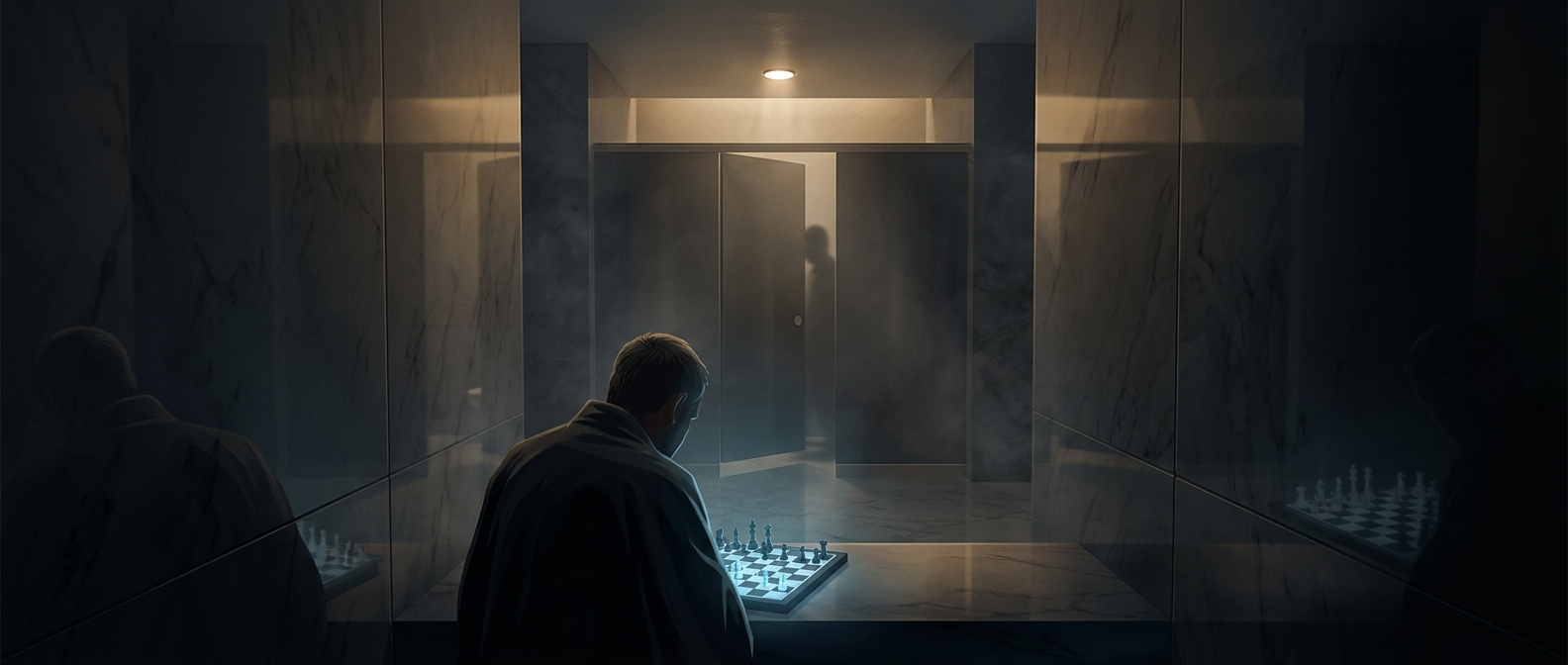
At the board, a player is usually in view, and phones are typically prohibited. A restroom offers privacy and a brief break from direct observation—the conditions that can make a hidden device useful. The concern is not that a phone magically reads a chessboard: the player must somehow enter or transmit the position, then retrieve the engine’s recommendation. But once a position is available to it, chess software can examine many possible continuations far faster than a person can.
That recommendation can be especially valuable in a difficult moment. The engine may identify a precise move that is hard to find over the board, while the player still has to understand enough of the position to play it without looking suspicious.
The Fairness Problem Is Hard to Catch
A bathroom visit is not proof of cheating. Players also need ordinary breaks, and suspicion cannot rest on where someone went. The challenge for tournament organizers is that assistance can happen away from the board, while a strong move on its own does not reveal how it was found.
That leaves organizers balancing privacy and fair play. They can restrict device access and supervise tournament areas, while reviewing a player’s decisions for patterns that warrant closer scrutiny. Yet no single move—or trip to the restroom—settles the question. The vulnerability comes from combining a powerful private tool with a moment when the player is temporarily out of view.
Why the Break Matters
Chess engines change the value of a few minutes alone: a short absence can potentially provide analysis that would otherwise require exceptional skill. That is why the bathroom has become shorthand for a broader problem in competitive chess—not evidence of wrongdoing, but a reminder that fair play depends on controlling access to outside help as well as watching the game itself.