How a Single Archer Can Keep a Squad at Arm’s Length
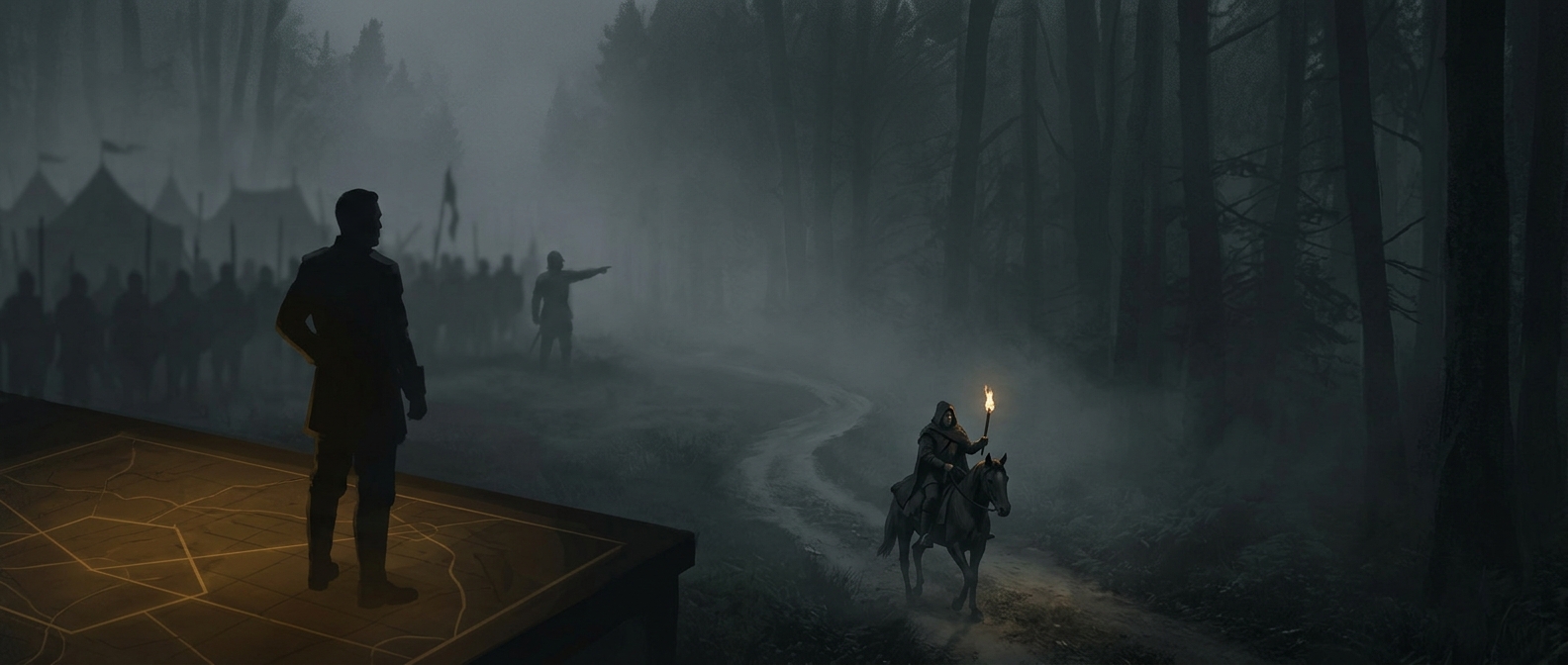
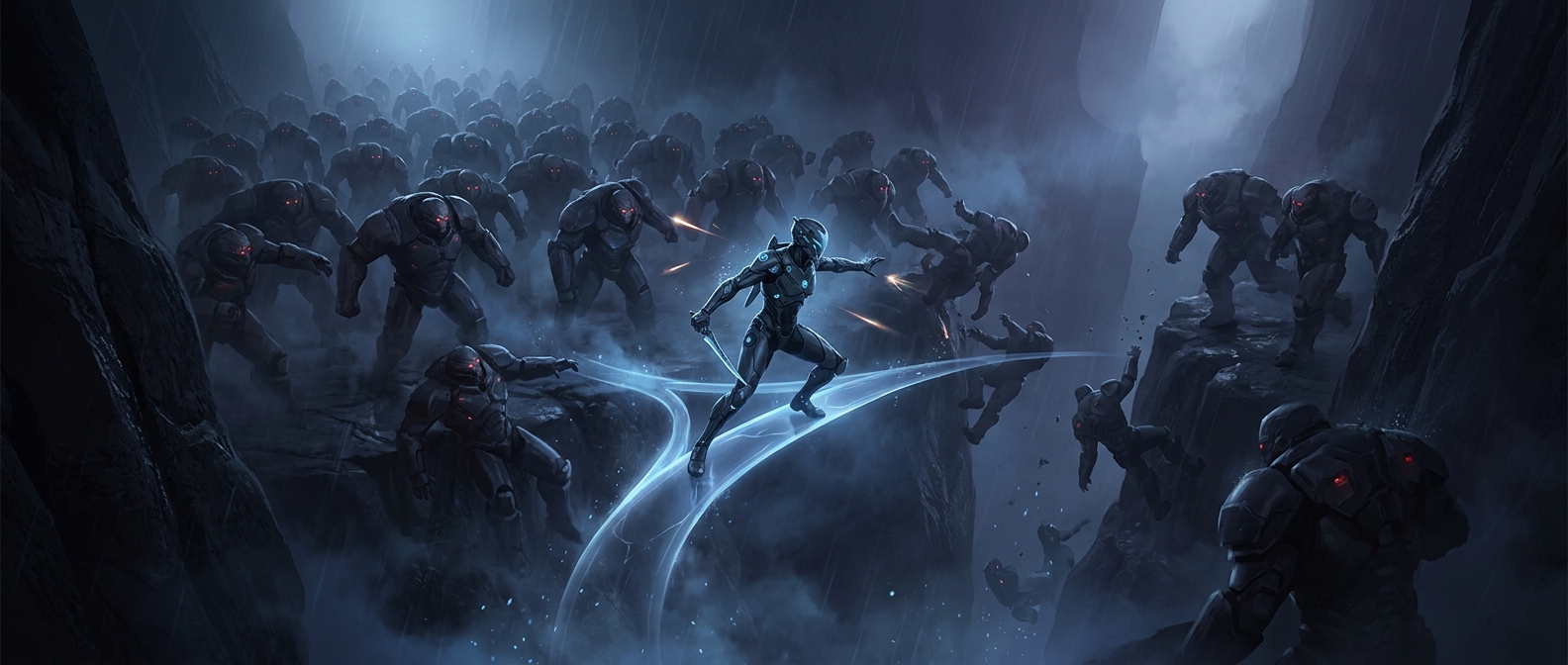
An archer’s advantage is range, but that advantage disappears if enemies reach it. Repeatedly issuing an attack order and then moving away turns the unit’s movement into part of its offense: it fires when it can, retreats before the enemy closes in, then stops again to take another shot. This is often called kiting—attacking while staying just beyond an opponent’s reach.
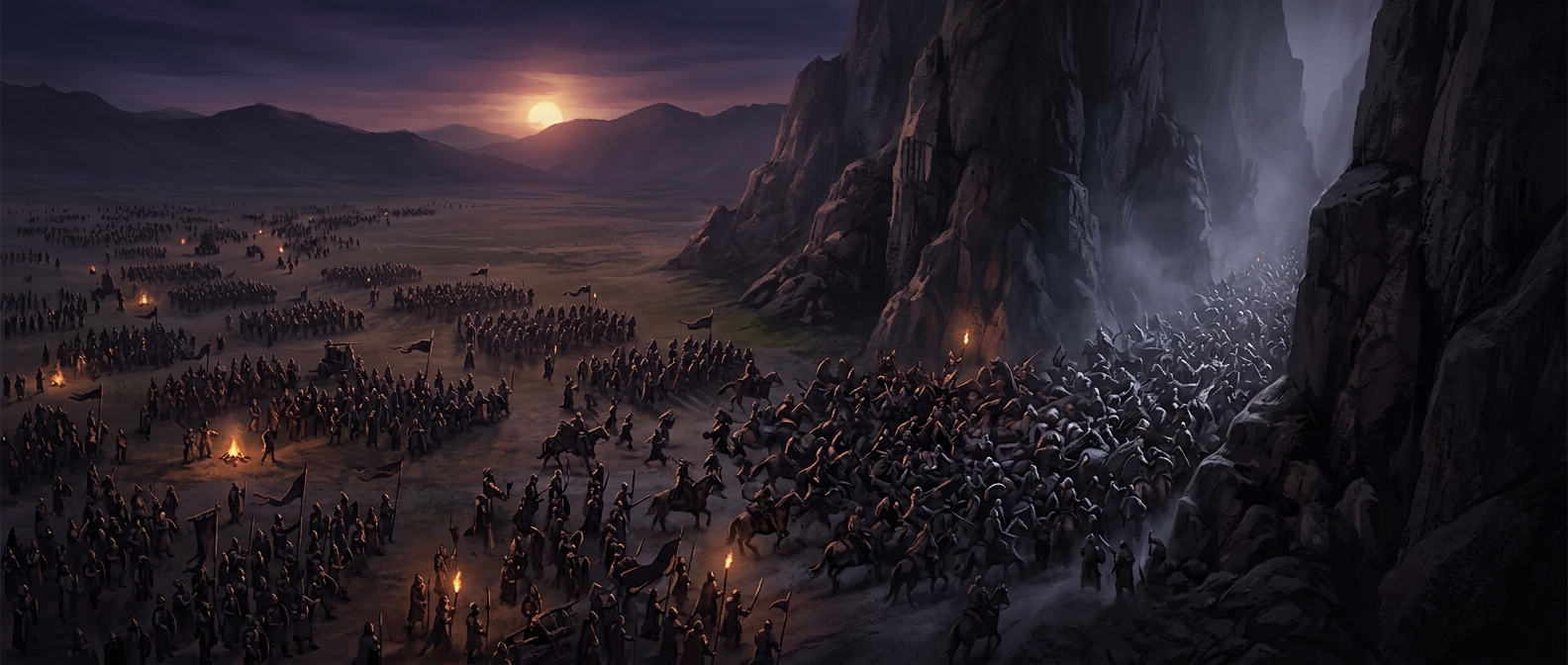
The trick works because the two sides spend their time differently. The archer can deal damage during brief pauses, while pursuers may spend much of the encounter moving, turning, or trying to get close enough to attack. If the archer keeps enough distance, the enemies’ greater numbers or strength do not automatically translate into more damage dealt.
Why Repeated Orders Matter
A unit does not always make the ideal choice on its own. Left alone, it may stand still to finish an attack, move into danger, or choose a target that makes it abandon a safer position. Frequent orders let the player control that timing and direction. The result depends on the game’s rules—such as how quickly the archer can fire after moving and how fast enemies can close the gap—but small timing advantages can compound across many attack-and-retreat cycles.
This is a powerful tactic, not a guarantee. Terrain, cramped space, faster pursuers, or a mistimed retreat can trap the archer. Its larger lesson is that a unit’s listed strength is only part of its power: when a player controls where and when it fights, one well-handled archer can make a much larger force spend the battle chasing instead of attacking.