Information becomes a resource
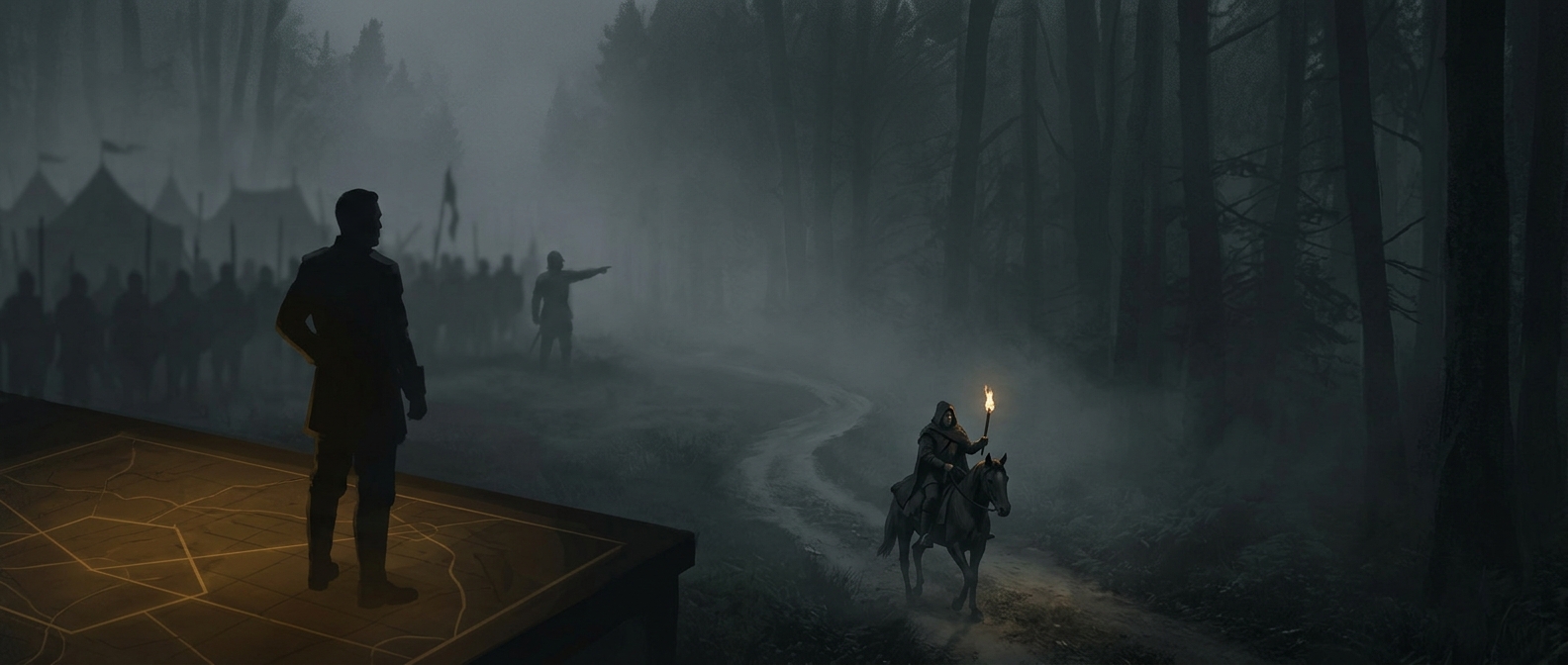
A scout’s main job is not to win a fight. It is to turn uncertainty into a decision. Before a player can see what lies beyond the explored map, they may not know where an opponent is building, which route is safe, or whether a nearby force is small enough to challenge. A scout converts that hidden information into something the player can act on.
That makes the unit valuable even when it is weak. If it spots an approaching army early, the player may have time to build defenses or move troops. If it finds an undefended route, the player can attack where the opponent is least prepared. The scout’s value comes from what its sight lets the rest of the army do.
Why the risk is deliberate
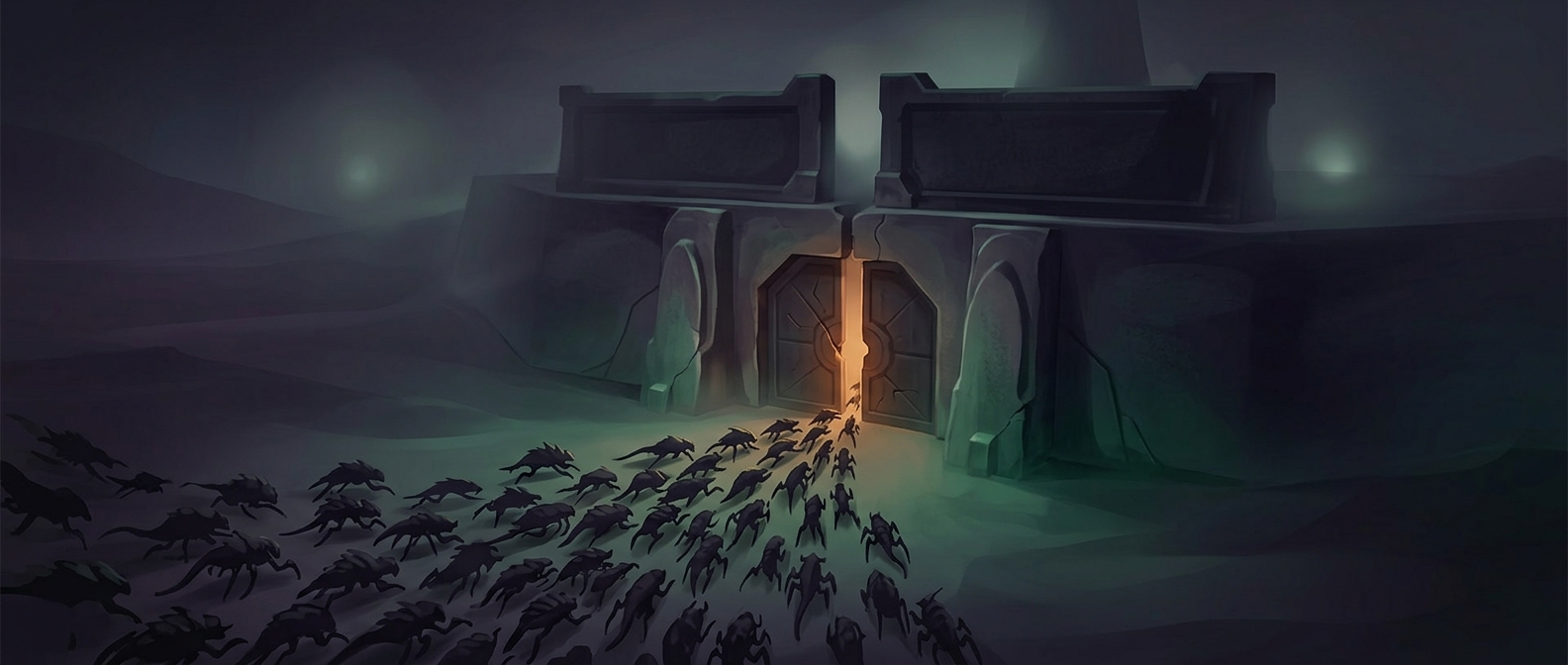
Games often make scouts inexpensive and easy to lose because a powerful unit that can safely inspect the map would make exploration too easy. A fragile scout creates a choice: spend resources and risk a unit for better information, or stay cautious and make plans with gaps in them.
The danger also gives the opponent a chance to respond. An enemy who catches a scout has denied information; one who ignores it may reveal an important position. In either case, scouting can affect the match before the scout reaches a battle. The player has to weigh what they might learn against what the enemy might learn from seeing them.
A small loss can prevent a larger one
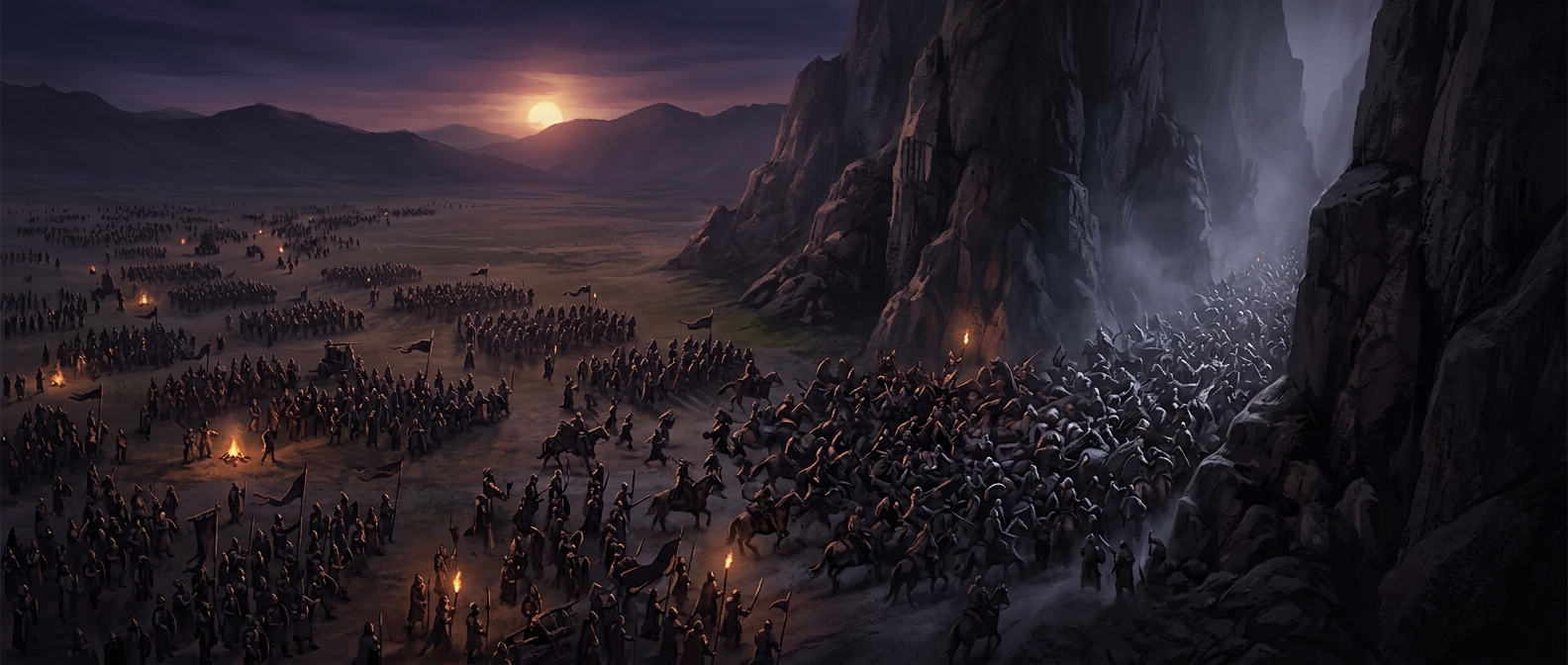
Sending a scout toward danger is not necessarily wasteful. Losing one cheap unit may be preferable to marching an entire force into an ambush, or spending time and resources preparing for a threat that does not exist. The scout is expendable because the information it gathers can protect decisions far more costly than the unit itself.