Why a Narrow Pass Changes the Fight
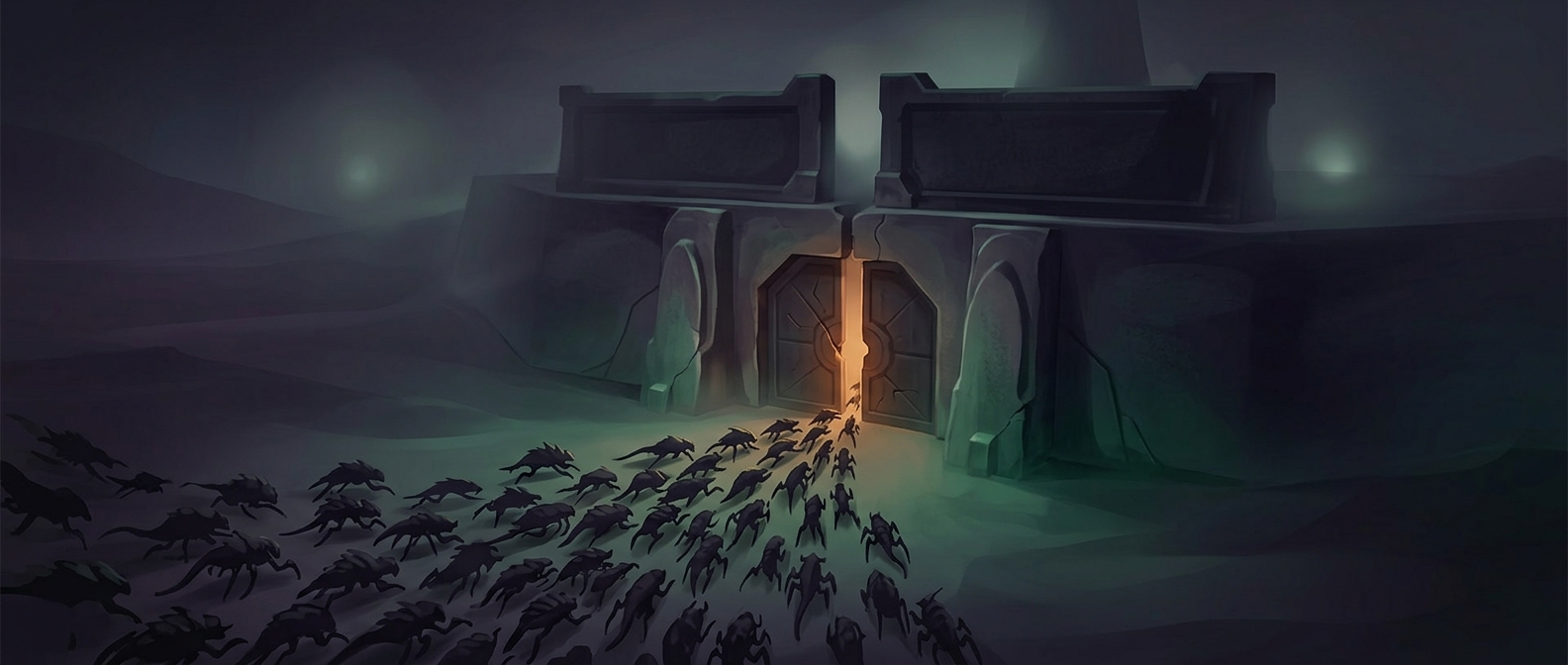
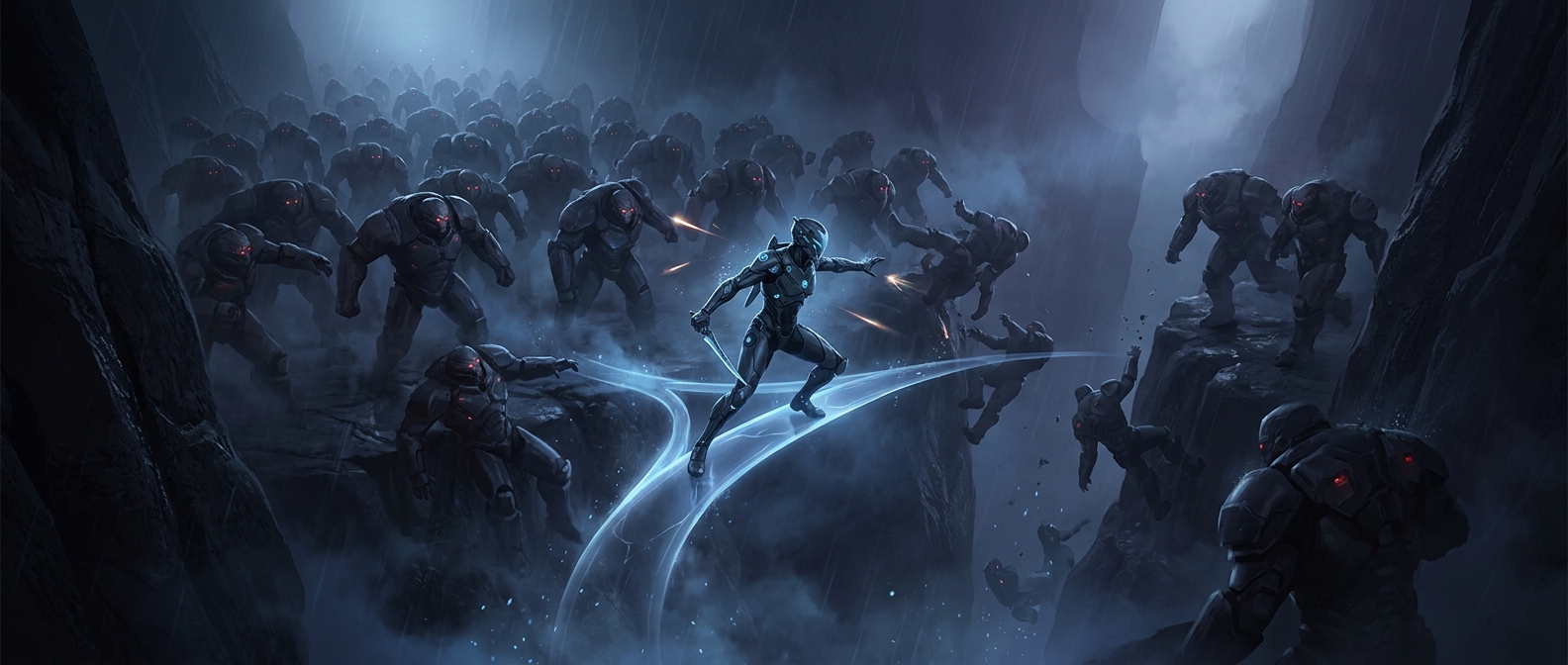
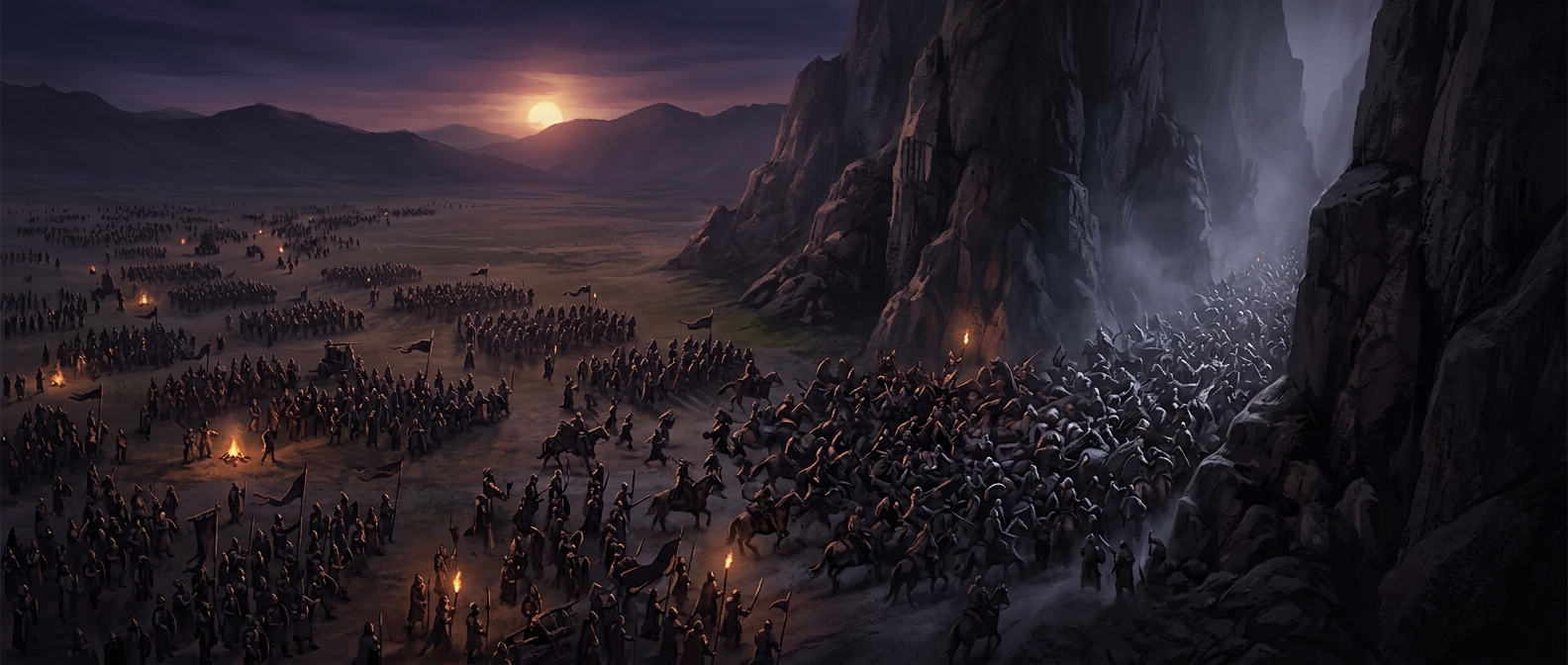
An army’s advantage is not just how many fighters it has, but how many can reach the enemy at once. In open ground, a large force can spread out, surround a smaller group, and bring several lines of attackers to bear. A narrow pass removes that room. Only a few troops can engage across its width, so most of the larger force is stuck behind the front ranks rather than adding pressure.
The Bottleneck Has to Be Held
That advantage depends on defenders using the terrain well. A compact line can block the entrance while ranged troops attack from behind it, turning the approach into a costly place to advance. But the defenders still need enough strength to keep the opening closed. If the line breaks, the waiting troops can pour through, and the bottleneck becomes a trap for the force that tried to hold it.
Games can make this tactic especially powerful—or less reliable—depending on how they handle movement. Some limit how many units can fight in a tight space; others let attackers crowd, push, or find a route around the obstacle. A pass is therefore more than a convenient wall: it changes how much of an army can participate in a fight at once. The key question is whether the larger force can widen the battle before the smaller one loses its footing.