A board becomes a combinatorial explosion
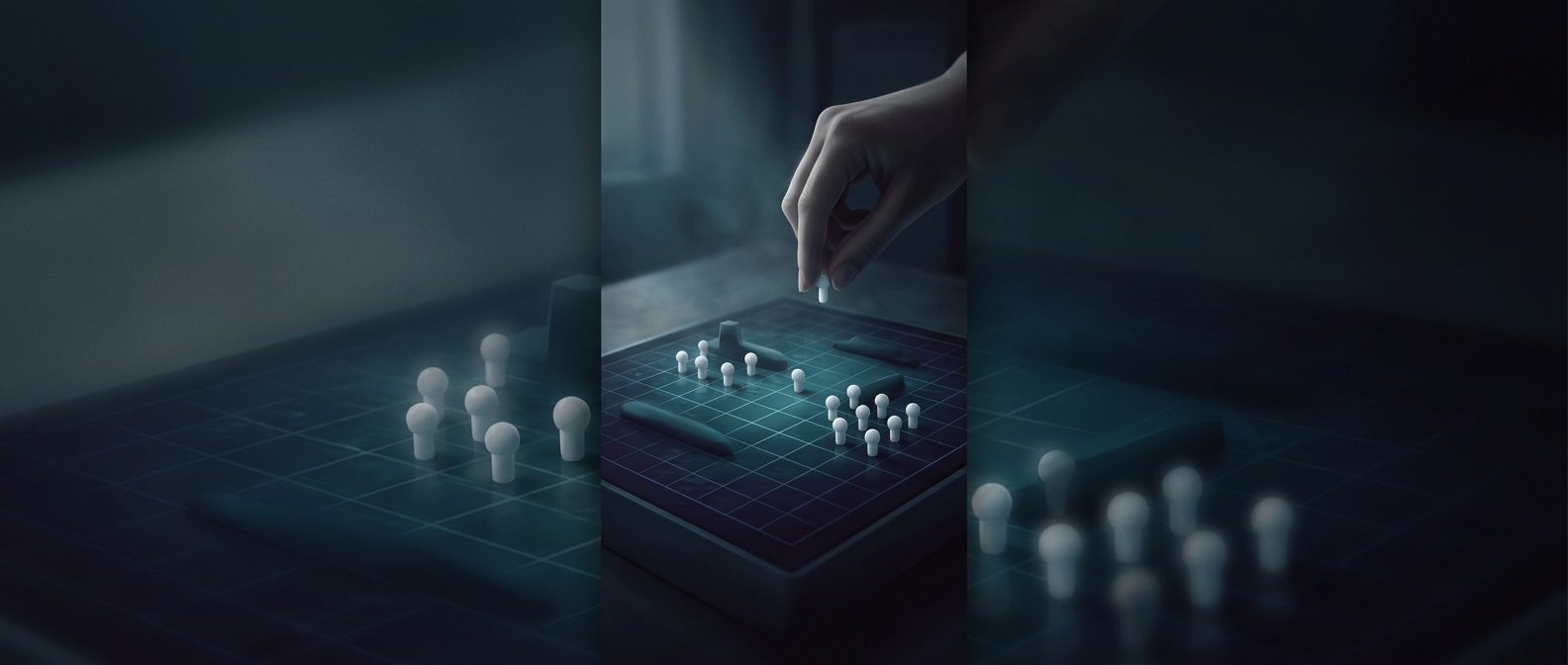
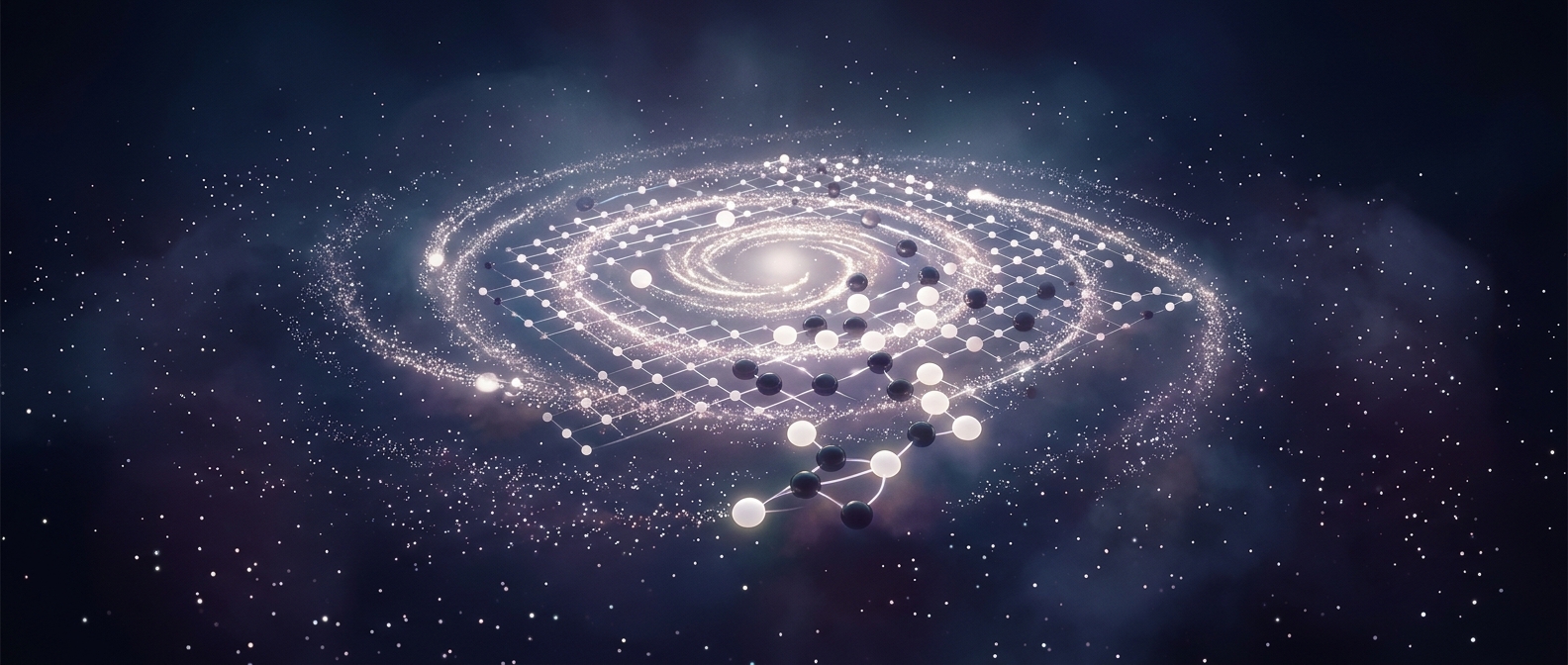
A standard Go board has 19 rows and 19 columns, giving 361 intersections. Each intersection can be empty, hold a black stone, or hold a white one. If every intersection could be assigned independently, that would produce 3^361 possible arrangements—an immense number, far beyond the roughly 10^80 atoms in the observable universe.
Not every arrangement is legal: Go rules can forbid moves such as placing a stone where it would have no liberties, and captured stones disappear from the board. Even after those restrictions, the number of legal positions remains vastly larger than the number of atoms.
Positions are not the same as games
A position is one snapshot of the board. A game is a sequence of moves, and many different sequences can lead to the same position. The number of possible game histories is larger still, because each move creates another choice of where to play—and players can sometimes return to earlier-looking arrangements under rules that prevent endless repetition.
That scale has a practical consequence: a computer cannot simply store every possible board and look up the best move. Go programs instead use search, learned patterns, and estimates of which positions are promising. The surprising part is not that Go has complicated rules; it is that a board with only 361 intersections offers more legal snapshots than the universe has atoms.