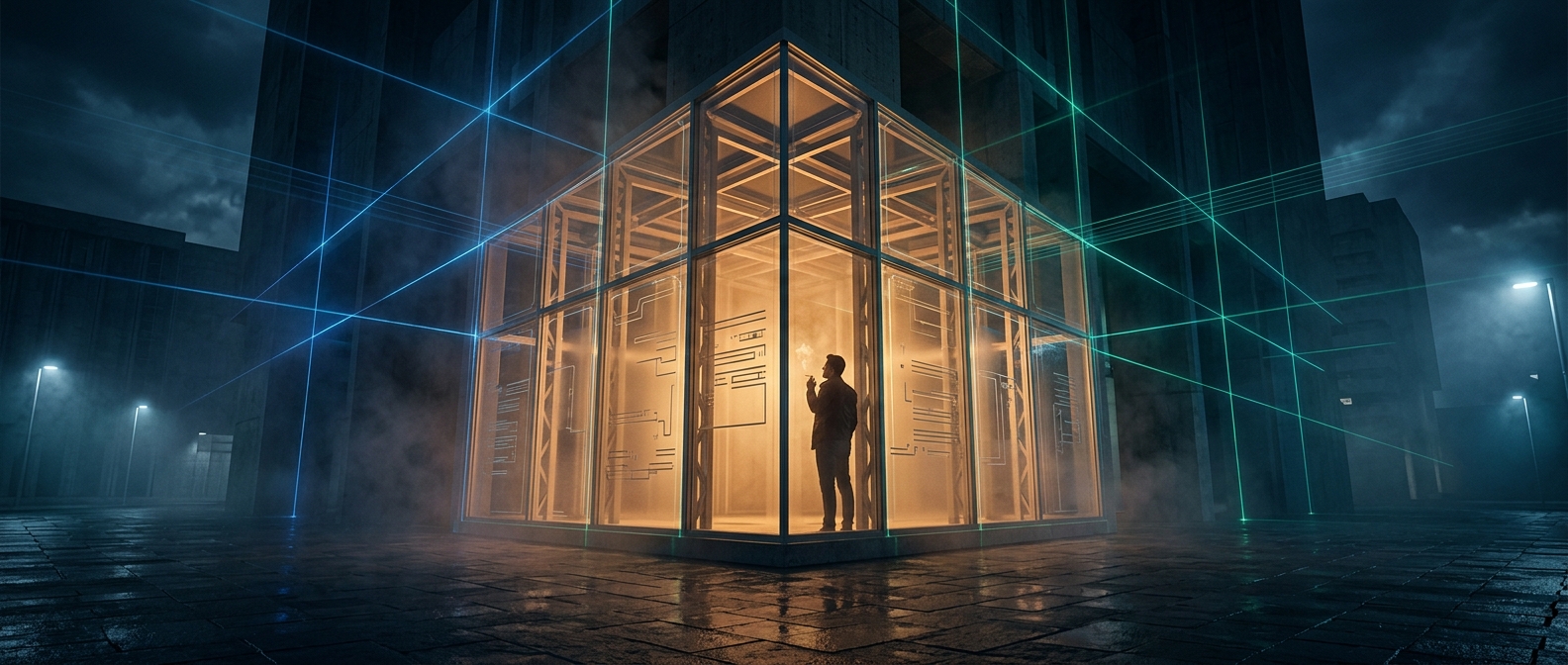
Why a Venue Might Reserve Space for Smoking
A smoking area can be a compliance feature rather than an amenity an organizer chose to add. Where a local ordinance allows smoking only in a designated space—or requires one for a particular kind of venue—the operator has to plan around that boundary. The rule may specify where smoking is permitted and how the area must be separated or ventilated; the details vary by location.
What “Adequately Ventilated” Is Meant to Do
Ventilation moves air through a room and exhausts it elsewhere. In a designated smoking area, the goal is to keep smoke from drifting into neighboring spaces, often by drawing air toward the smoking zone and away from cleaner areas. Ventilation can reduce migration, but it does not make the space smoke-free or remove the need to keep it separate.
That requirement can shape the floor plan early. An organizer may have to reserve a room, install or use suitable exhaust equipment, and keep the area out of space intended for seating, exhibits, or backstage operations. The smoking section is therefore part of the venue’s legal and mechanical layout, not simply a last-minute convenience for guests.
A Local Rule, a Physical Tradeoff
Because these requirements are municipal, a venue’s options can change across city lines. The practical consequence is visible at an event: space that might otherwise hold more guests or activities may instead be set aside to meet a local rule—and the ventilation system helps determine where that space can go.