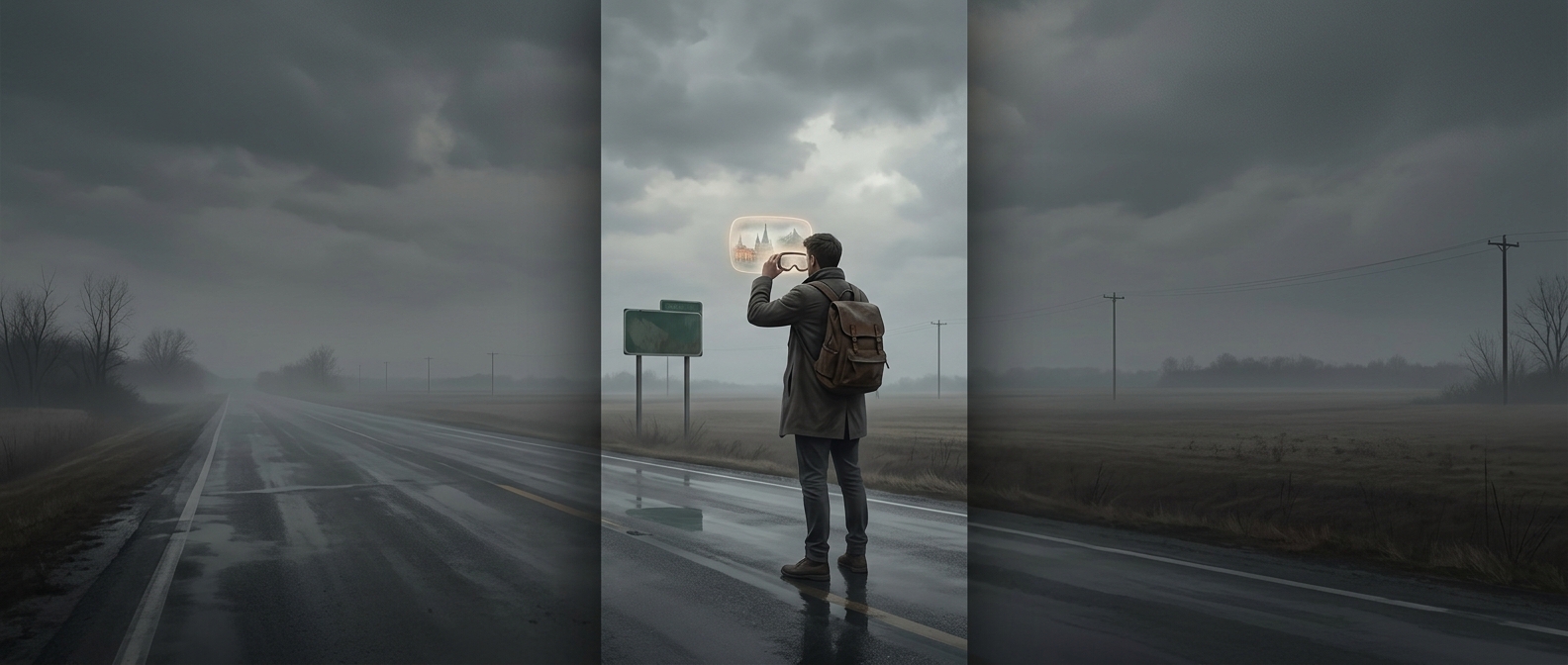
When a Place Name Sounds Like a Review
Arriving in Dull, Ohio, can feel as though the town has already delivered its verdict. The joke works because “dull” is an ordinary English adjective for something boring, while a place name is usually meant to identify a location—not rate the experience of being there.
That mismatch is easy to mistake for a description. But a name by itself tells you very little about what a place looks like, what people do there, or how it feels to visit. Place names can preserve older naming choices or local history long after their everyday meanings have become the first thing outsiders notice. Without a documented explanation for this particular name, it is safer not to treat the pun as its origin story.
The Name Sets the Expectation
For travelers, names act as a kind of advance cue: they shape the picture forming in the mind before the landscape comes into view. Dull makes that cue unusually blunt—and amusing. The real scene may be quiet, lively, scenic, or simply ordinary; the name cannot settle the question.
That gap is the detail worth remembering. Dull, Ohio sounds like a warning, but it is the traveler who supplies the punchline before arriving.