Why Other People’s Best Moments Look Like the Whole Story
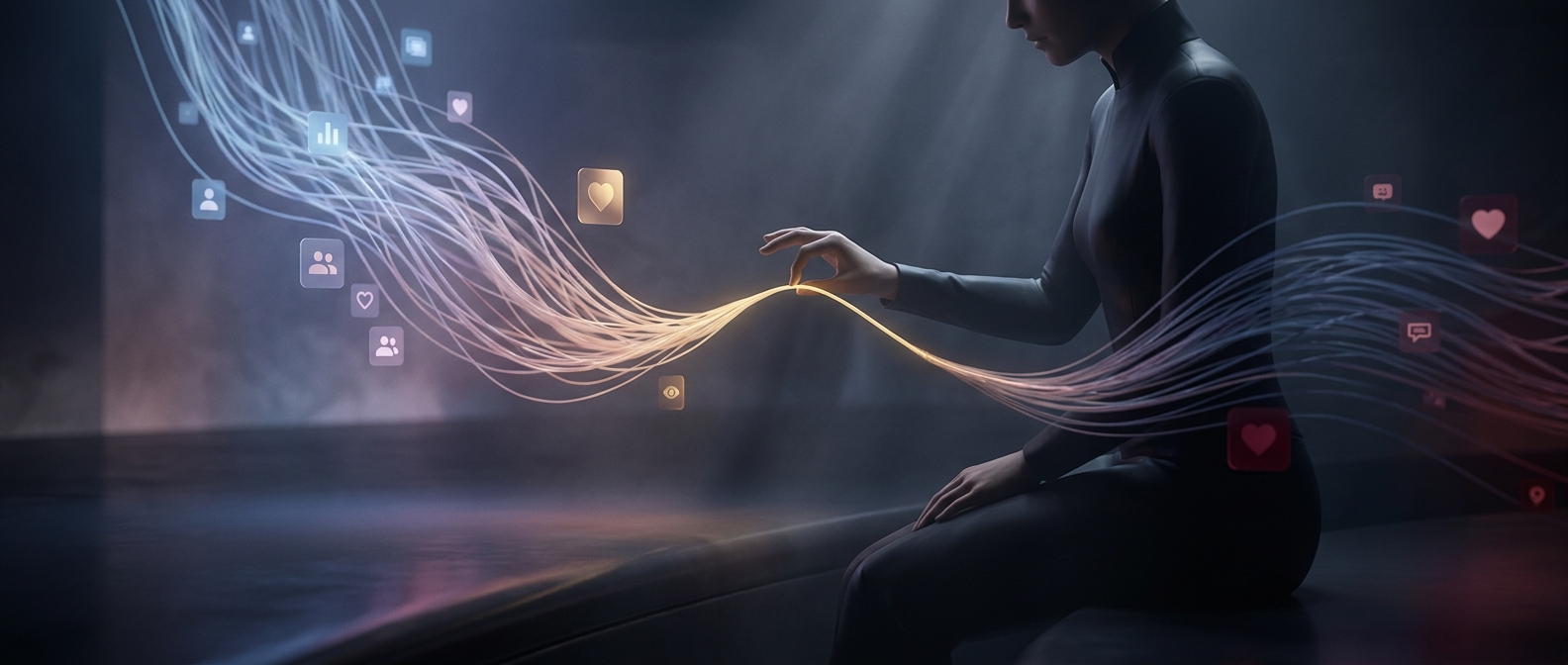
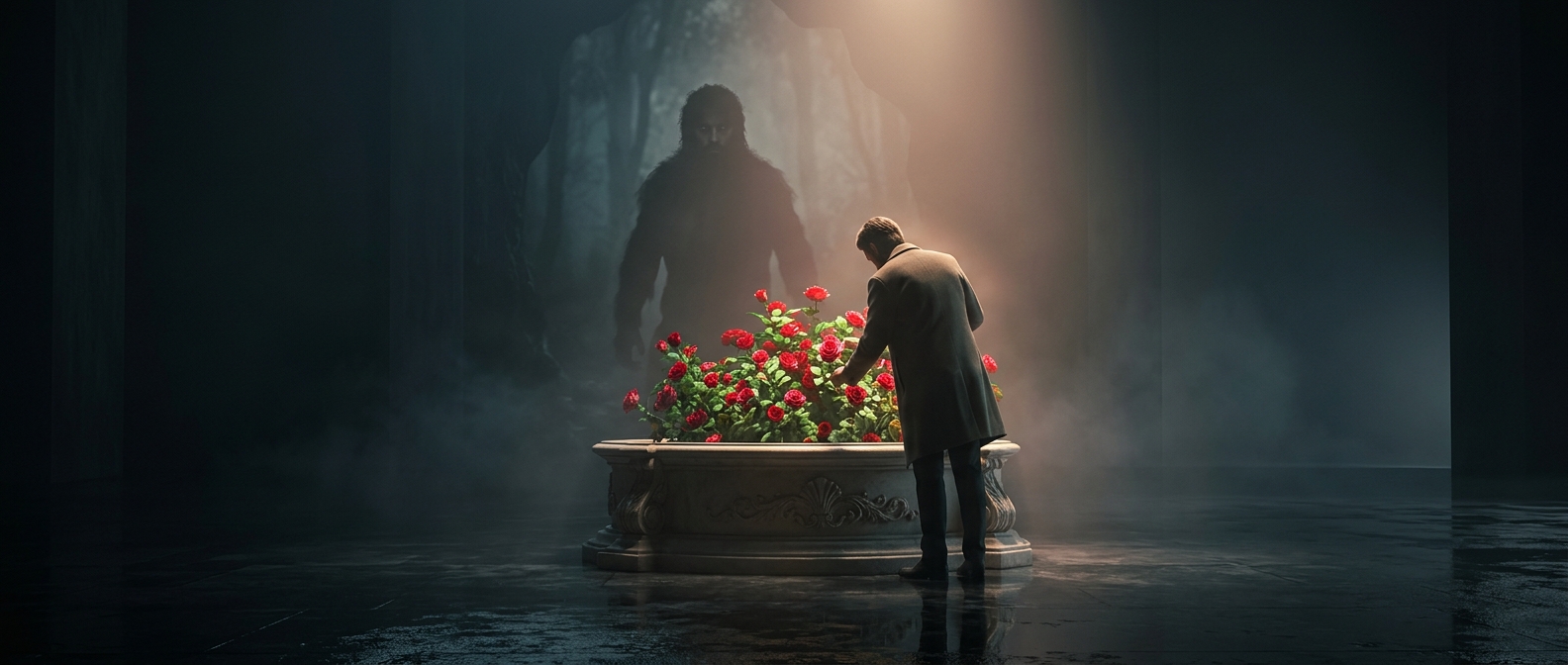
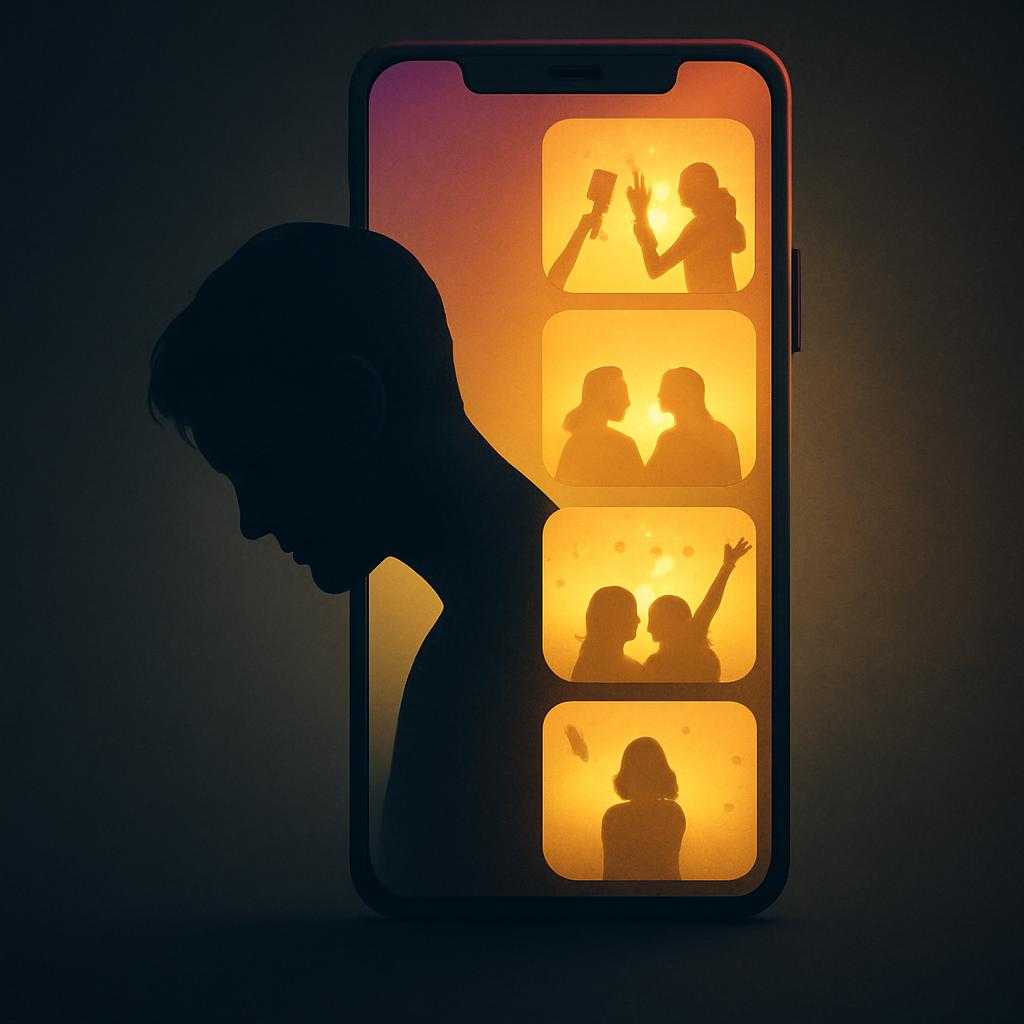
The main bias is social comparison: we judge our own situation by measuring it against other people. That comparison becomes misleading on Instagram because the two sides are not equivalent. You experience your life from the inside, including dull routines, setbacks, and private worries; you usually see other people through selected, polished posts.
A Skewed Sample Changes the Verdict
A highlight reel is a sample, not a full record. People are more likely to share a celebration, a finished project, or a flattering photo than an ordinary afternoon or a disappointment. When those memorable moments appear one after another, they can seem like a person’s normal baseline rather than occasional peaks.
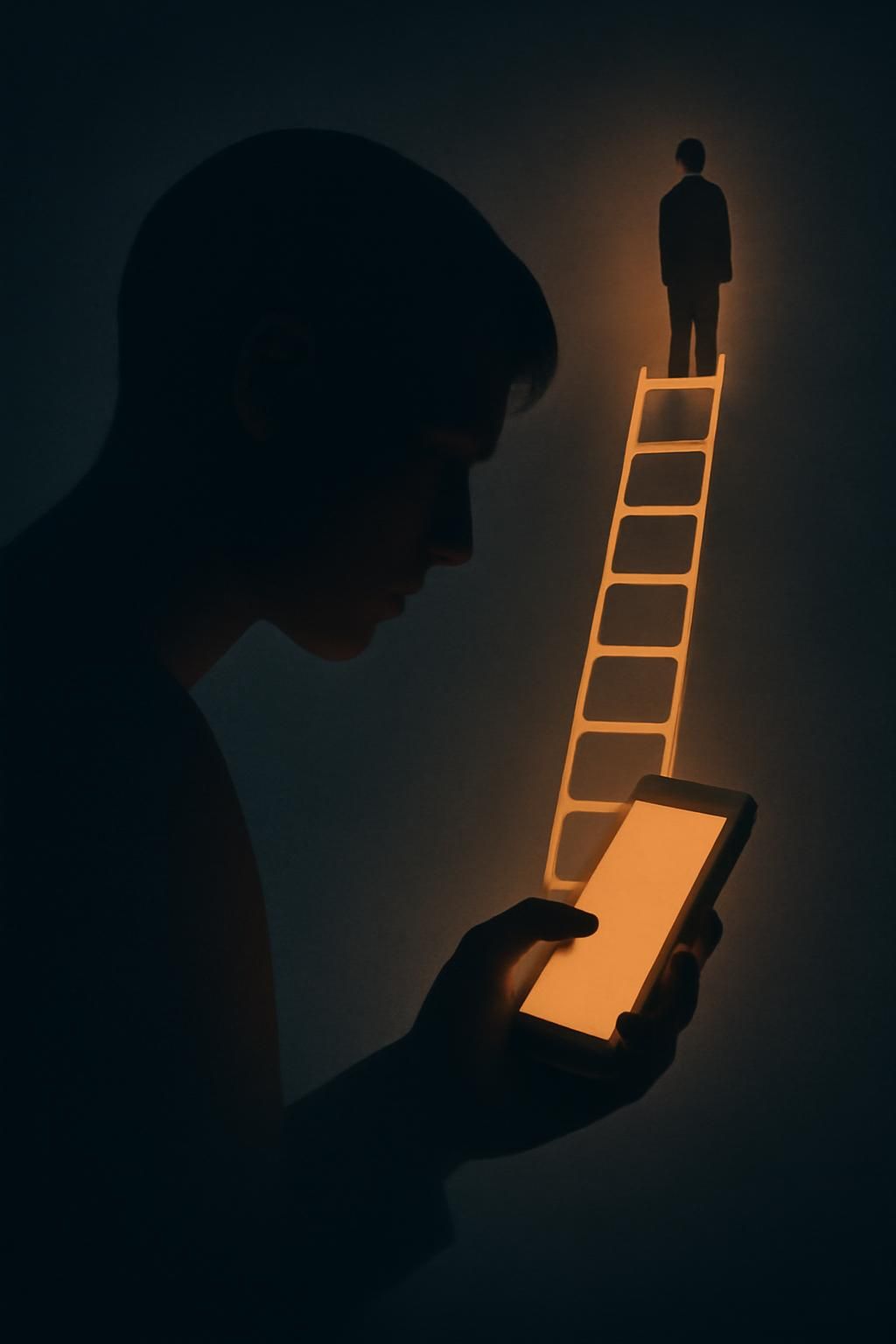
The mind then makes a quiet leap: Their visible success is typical, while my everyday experience is the standard. That is an unfair comparison between your full, unedited life and someone else’s edited evidence. The feed may contain real events, but it leaves out the context needed to judge how often they happen or what they cost.
Why the Feeling Can Linger
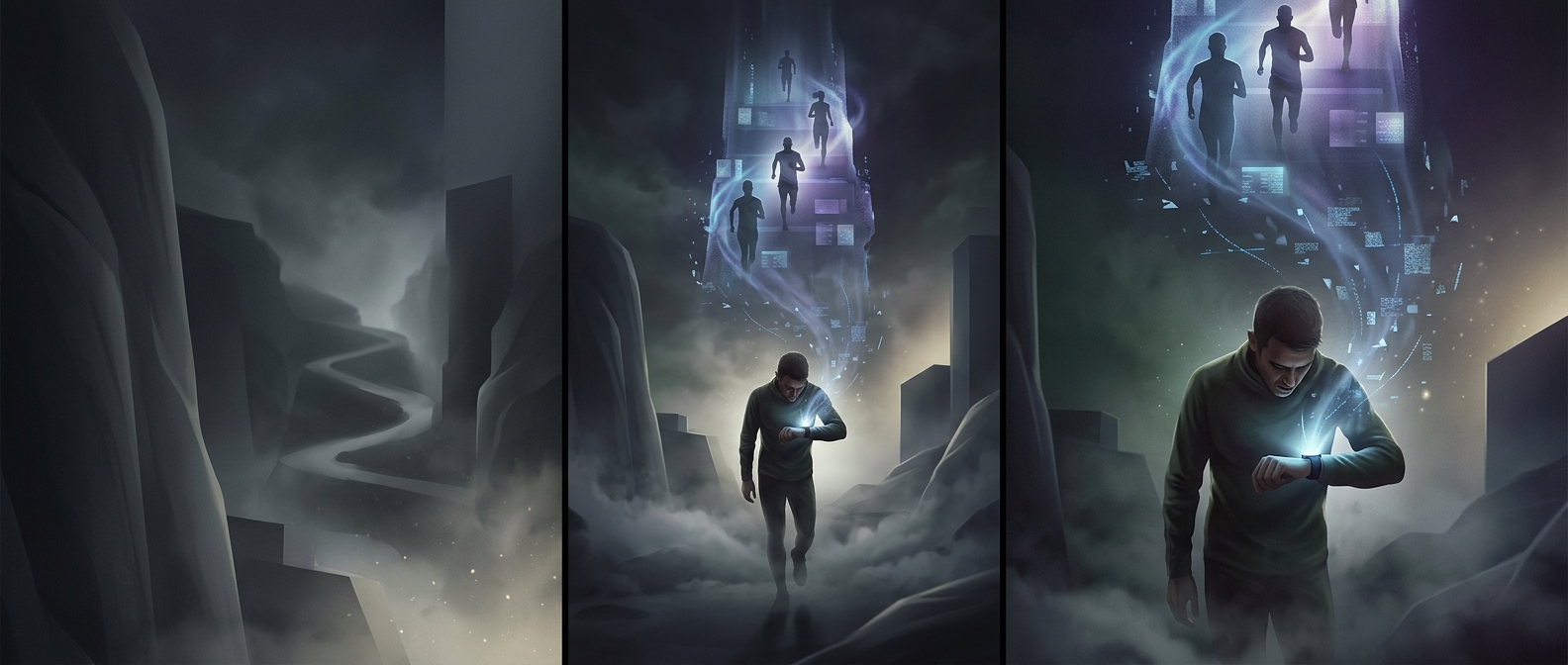
Repeated exposure gives the selected moments familiarity, and familiarity can make a picture of life feel representative. A person scrolling through travel photos, promotions, and parties may therefore come away feeling behind, even without consciously deciding that any one poster is happier overall.
Remembering the missing denominator—the unseen ordinary days—helps restore perspective. A post can show that something good happened; it cannot, by itself, establish that someone else’s life is objectively better.