Why Clayton Moore’s Mask Became a Legal Fight
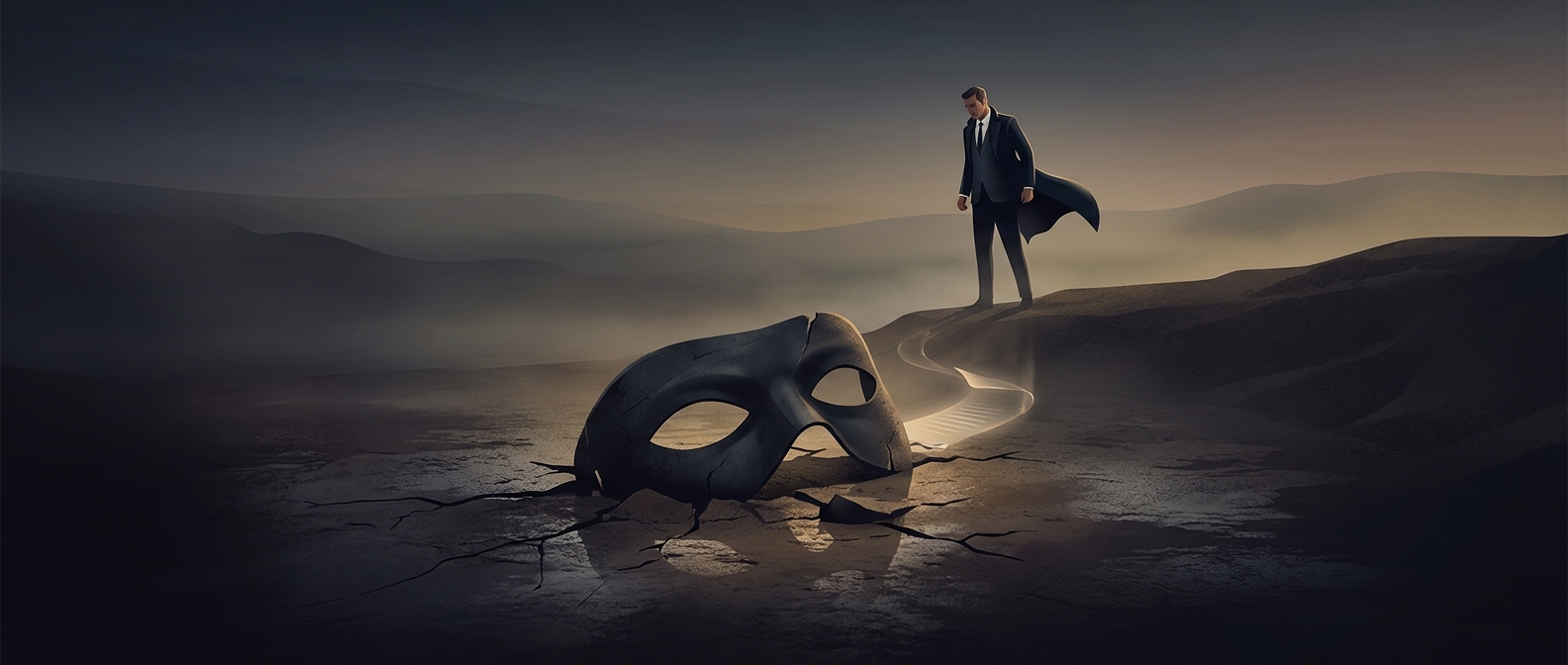
For decades, audiences had seen Clayton Moore play the Lone Ranger with a distinctive black eye mask. When rights holder Jack Wrather planned a 1981 reboot, that familiar image became more than a costume: it was a recognizable part of the character’s public identity, one the new production wanted to control.
Wrather obtained a restraining order against Moore, limiting his ability to appear in the mask. The dispute exposed a tension common to screen characters with long-running associations: the actor may be the face people remember, while the rights belong to someone else. Moore’s appearances could evoke the Lone Ranger even when he was not acting in a new production.
Sunglasses in Place of the Mask
Moore continued making charity appearances, but wore wraparound sunglasses instead. They echoed the mask’s shape without being the mask itself—a visible compromise between the character audiences recognized and the restriction he faced.
The substitution also showed how tightly a simple costume element can bind an actor to a role. Moore could leave the set, but the mask still carried the character’s meaning in public. For fans, the sunglasses were a small but unmistakable reminder that the performer and the fictional hero had become difficult to separate.