A Better-Looking Screen, Not a Faster Switch
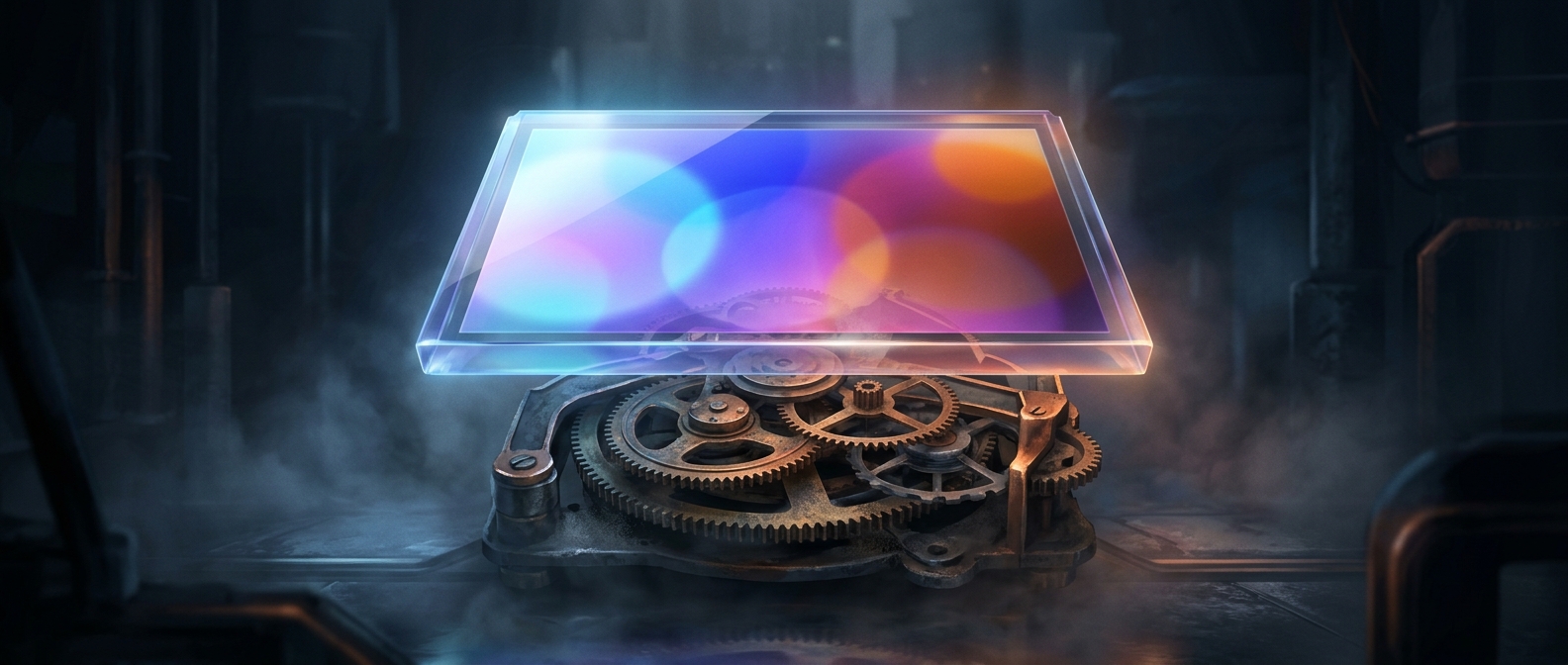
The Switch OLED’s screen can make the same game look more vivid, but it cannot make the console render that game more quickly. The OLED model kept the original Switch’s processor—the chip that runs the game and draws each frame—so its games generally have the same performance as on the earlier model.
The upgrade is in how the handheld displays those frames. An LCD screen uses a backlight shining through a layer of pixels; an OLED screen’s pixels produce their own light. A pixel showing black can switch off, creating deeper blacks and stronger contrast. The OLED model also has a larger 7-inch display, compared with 6.2 inches on the original Switch, while keeping the same 1280-by-720 handheld resolution.
What the Unchanged Chip Means
Because the processor stayed the same, the OLED model is not a new performance tier. It does not, by itself, raise a game’s frame rate, add graphical detail, or shorten its loading times. A title that runs at a particular speed on the original Switch is designed for the same underlying hardware on the OLED model.
That continuity also means the upgrade fits into the existing Switch game library rather than requiring games built for a more powerful console. When connected to a TV, the OLED screen is no longer in use, so its visual improvements apply to handheld and tabletop play—not to the image shown on the television.
The practical distinction is simple: the OLED model changes the window you look through, not the machine producing the game.