Why a “free” game engine can earn money from a hit
A game engine is more than a piece of software a studio downloads. It is the underlying system that helps a game draw images, play sound, handle physics, and run across platforms. Building those capabilities in-house takes time and specialized staff, so an engine can let a small team start making a game without first paying a large licensing fee.
The cost shifts from the start to the success
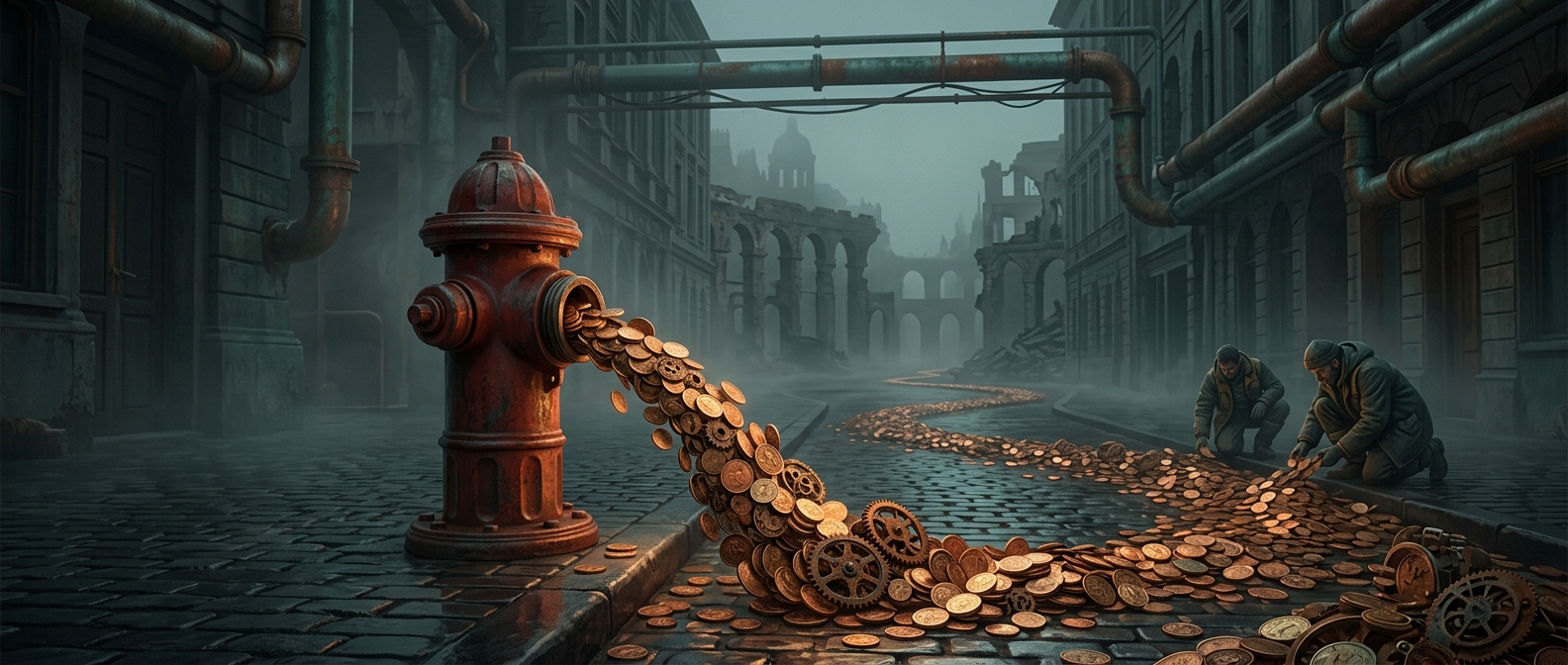
Some engine deals use a revenue threshold: a developer owes nothing under the terms while earnings remain below a stated level, then pays a percentage once the game passes it. That structure lets the provider make its software available to many teams, including projects that may never become profitable, while sharing in the upside from games that do.
It also changes who carries the early risk. The studio can put more money toward development before it knows whether players will buy the game. If the title becomes a hit, the engine provider receives a return tied to that success. The exact threshold, percentage, and revenue counted depend on the agreement; “free” does not mean every use is cost-free under every license.
A tradeoff studios can budget for
A percentage-based fee can be easier to manage than a substantial upfront license payment, especially for a studio with limited cash. But it becomes a continuing cost as a game earns more. Studios therefore weigh the engine’s capabilities and development speed against the fees and conditions in its licensing terms.
The arrangement is a bet shared over time: the engine provider helps lower the cost of getting a game made, and a successful release can pay that provider back. The more players a game reaches, the more valuable that early access may become—and the more carefully its developers must account for the engine’s share.