The hidden price of “free” timber
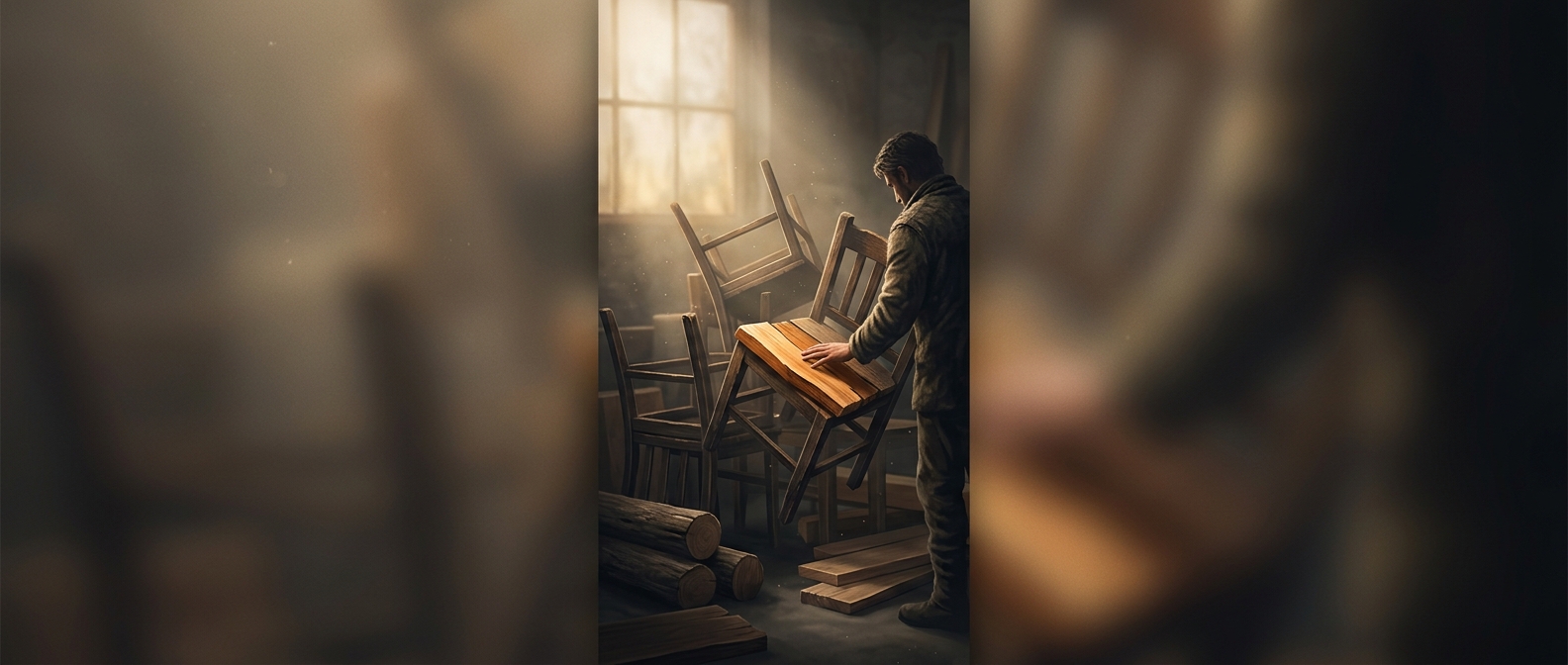
A broken chair can look like a small supply of useful wood: boards that might become a shelf, a repair part, or kindling. Keeping it preserves that possibility. But the timber is not truly free once it takes up space, needs to be moved, or has to be dismantled before it can be used.
That is the tradeoff behind the pile in the corner. The owner compares a certain cost now—getting rid of the chair—with a possible benefit later. Because the future project has no deadline, the benefit can feel valuable without ever being tested. The chair remains an option, not yet a material resource.
When reuse becomes worth the space
The wood’s practical value depends on more than whether it is solid. It may be glued, nailed, painted, or shaped in ways that make salvaging it slow. A project also needs the right dimensions and condition. Until a specific use is identified, the owner is holding an uncertain mix of labor, storage, and potential material.
A simple test is to name the project and the next action: for example, remove the seat and measure the legs for a repair. If that step is worth doing now, the chair may be useful stock. If not, the corner is effectively charging rent for an idea. The difference is concrete: reclaimed wood starts earning its keep when a real project can use it, not merely when it might someday come in handy.