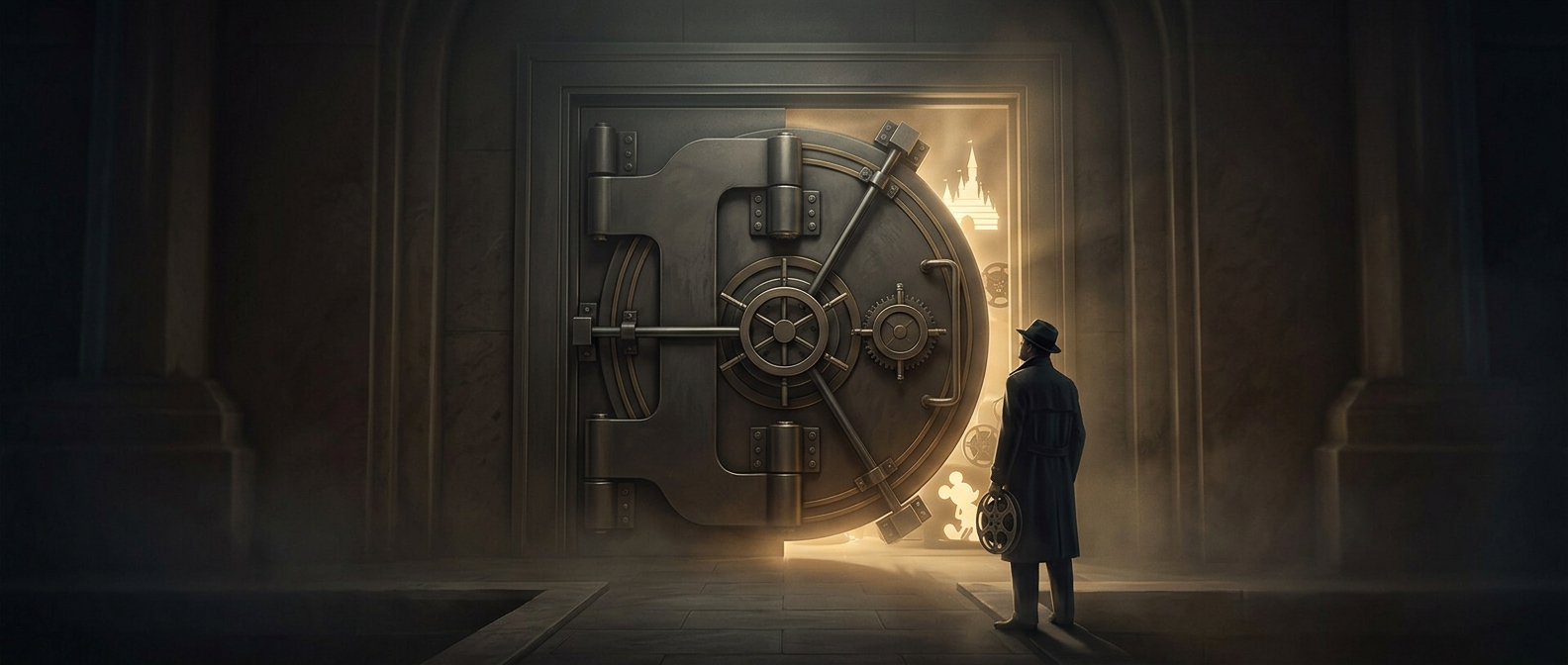
The “Disney Vault” Made Waiting Feel Risky
A film on a store shelf invites comparison: a parent can buy it today, rent it, or come back later. Disney’s vault strategy changed that calculation. By announcing that selected home-video releases would be withdrawn after a limited window and might not return for years, the company made delay feel like a decision with a cost.
The scarcity was not in the films themselves. It was in access to a particular edition at a particular time. That distinction let Disney sell familiar movies as time-sensitive purchases, even though the stories could be brought back into circulation later.
Why the Threat of Missing Out Worked
Parents were not buying only for the evening’s entertainment. A favorite animated film could become a repeat choice for a child, a family staple, or a gift. If a child wanted a movie now—and a parent expected it to be harder to find later—waiting for a sale or another occasion became less attractive.
The tactic also shifted the usual balance between buyer and seller. In an ordinary catalog, customers can postpone a purchase because they expect the product to remain available. A limited release encourages them to act while it is on shelves. Disney could concentrate attention on a title during its sales window rather than compete indefinitely with every other film in its catalog.
A Catalog Turned Into an Event
This approach made the archive feel less like a permanent library and more like a rotating set of opportunities. A return from the vault was not simply another chance to buy a movie; it renewed the sense that the chance might close again. That gave old films a new sales moment without requiring a new story or a new production.
The broader lesson is that control over when a familiar product is available can be valuable in its own right. Disney did not need to make parents doubt that the film existed. It only needed to make them wonder whether it would still be easy to buy when their child asked for it next time.