Why a Long Shot Can Feel Worth Buying
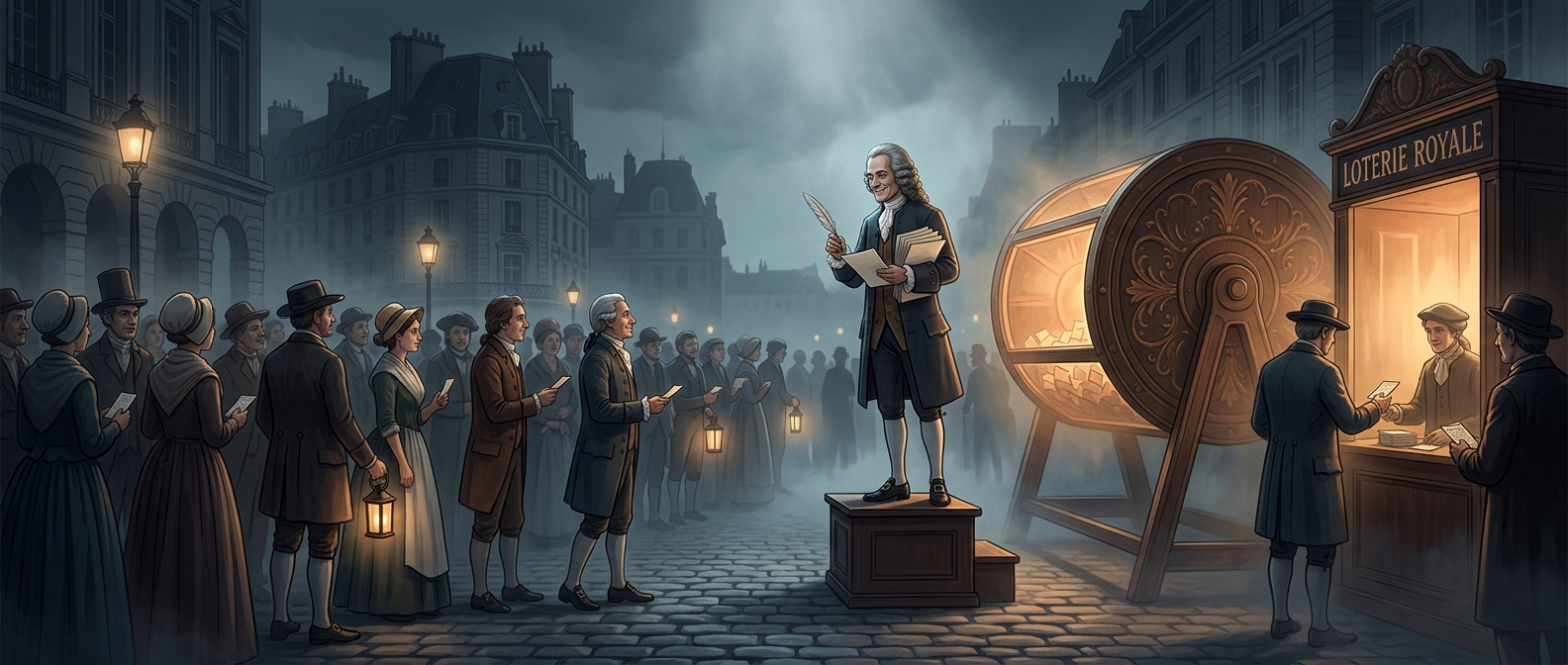
A lottery ticket is an unusual purchase: its practical value is tiny, but its imagined payoff is enormous. A jackpot can seem to offer an escape from debts, insecure work, or goals that feel otherwise unreachable. When money is tight, that possibility may feel more vivid than the near-certainty of losing the ticket price.
This is especially powerful because the purchase is repeated. One ticket costs little enough to seem manageable; buying another keeps the imagined escape alive. But each new ticket is a separate gamble, not progress toward a win. The money spent accumulates even when the hoped-for outcome does not.
The Price of Selling Hope
Lottery games concentrate much of their appeal in a rare, eye-catching prize. That structure makes the jackpot easy to picture and the odds harder to feel. Players may know that winning is extraordinarily unlikely while still treating it as a meaningful possibility—particularly when ordinary routes to financial security seem slow or closed off.
The tradeoff is sharpest for people with little room in their budgets. A small, recurring expense can take money away from necessities or savings, while the chance of a life-changing return remains remote. The lottery sells a moment of possibility at a predictable cost; for someone under financial pressure, that cost can matter far more than it first appears.