Why a Lottery Ticket Feels Bigger Than Its Odds
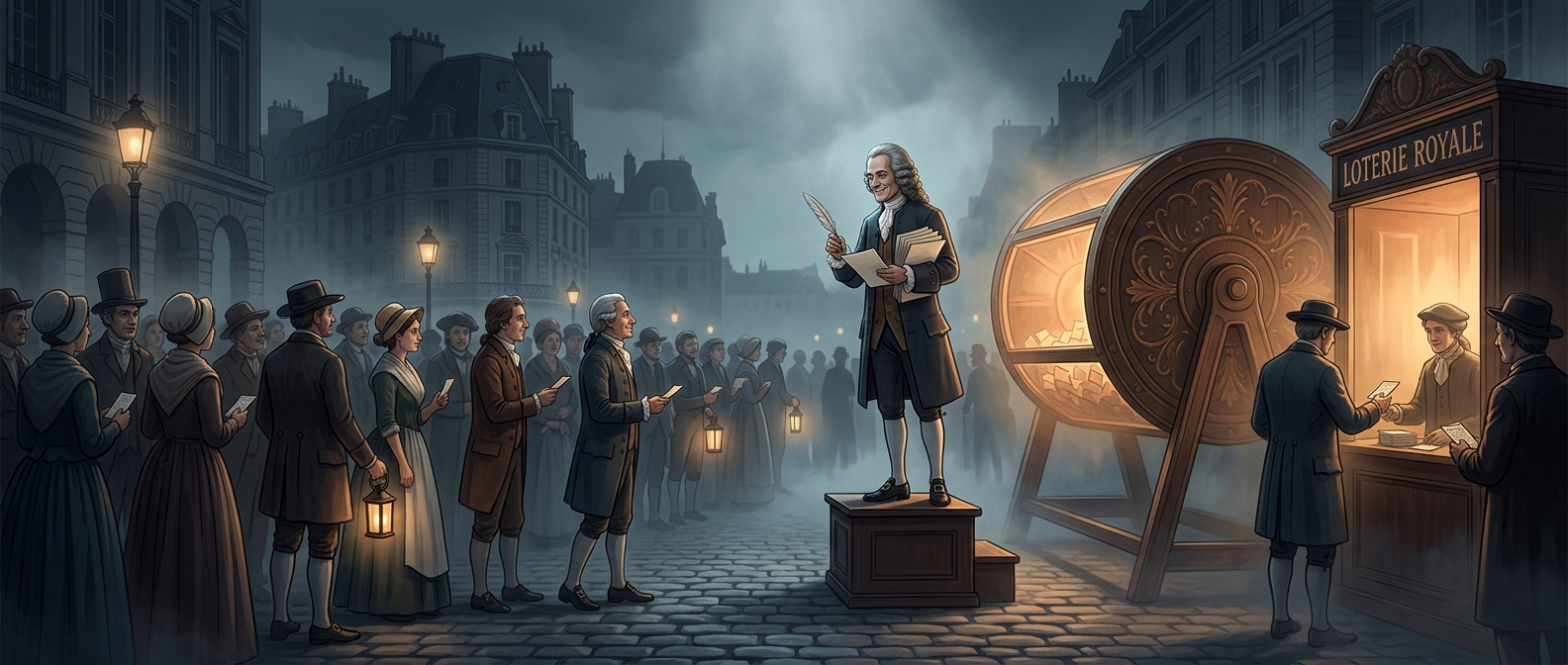
A ticket offers a vivid possibility: one unlikely win could change everything. Its price is small and immediate, while the imagined prize is large and easy to picture. That imbalance can make the purchase feel more compelling than a calculation of what a ticket is worth on average.
The average return is not a promise about any one ticket. It is a long-run accounting measure: add up prizes across many tickets and compare them with the money spent. A particular player may win big, win a small prize, or get nothing; the lottery’s overall payout can still be less than its sales.
What Happens When Money Has Time to Grow
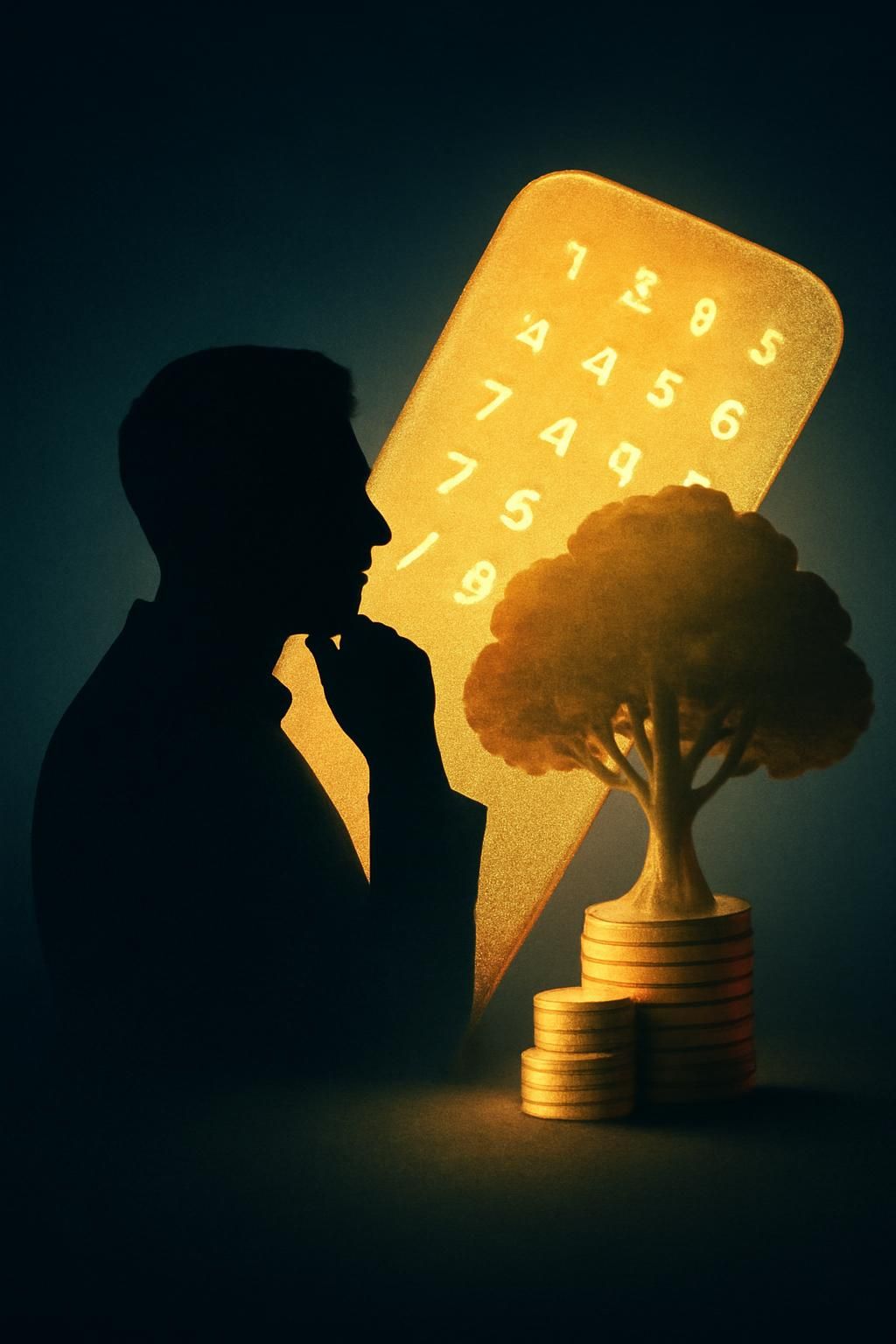
Putting money aside works through a different mechanism. In a diversified fund, contributions are spread across many investments rather than depending on one lucky outcome. The value can rise or fall, but gains that remain invested may earn gains of their own—a process called compounding.
Time matters because each contribution gets a chance to participate in that process. Small, regular deposits can therefore accumulate, though the result is uncertain and depends on investment performance, fees, and how long the money stays invested. Unlike a lottery prize, there is no single dramatic moment when the outcome is decided; progress comes from repeated contributions and letting returns build, if they do.
The practical contrast is not between dreaming and being sensible. It is between paying for a remote chance at a sudden windfall and putting money into an approach whose possible growth is gradual, spread across many holdings, and still subject to risk.