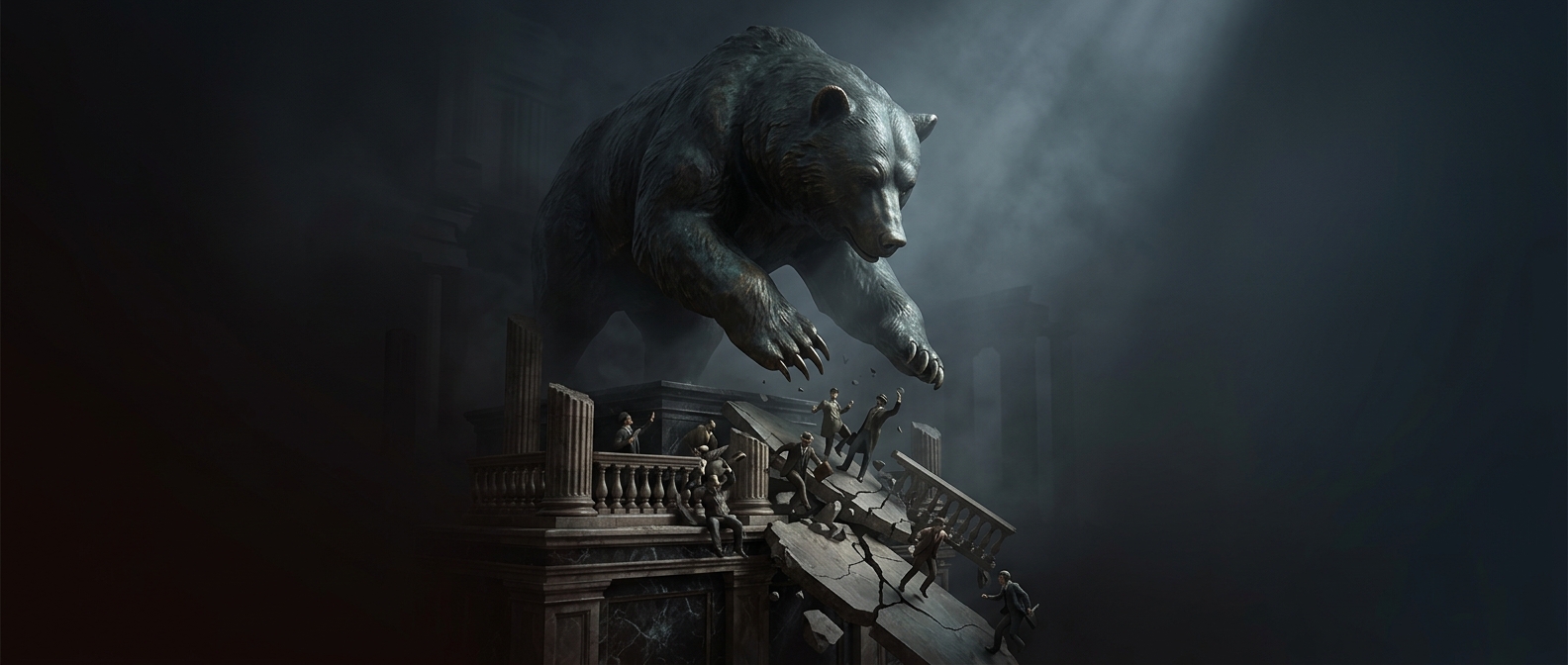
Why a Bear’s Swipe Lands With Such Force
A downward swipe is more than a set of claws cutting across skin. A bear drives a powerful forelimb down from the shoulder, bringing the weight and momentum of its body into close-range contact. The impact can cause serious blunt-force injury even where the claws do not make a deep cut.
Bear claws are fixed rather than retractable, so they remain exposed as the paw moves. Their length and shape vary among bear species, but in a strike they can add punctures and tearing injuries to the force of the blow.
The Close-Range Consequence
Because the motion is delivered at close quarters, a person may have little time to react once a bear has committed to a swipe. The same heavy limb bears use for tasks such as digging can deliver a fast, forceful strike; it is not a delicate, controlled motion. That combination of impact and claw injury is what makes a single downward blow so dangerous.