Turning a Point-and-Click Game Into a Place
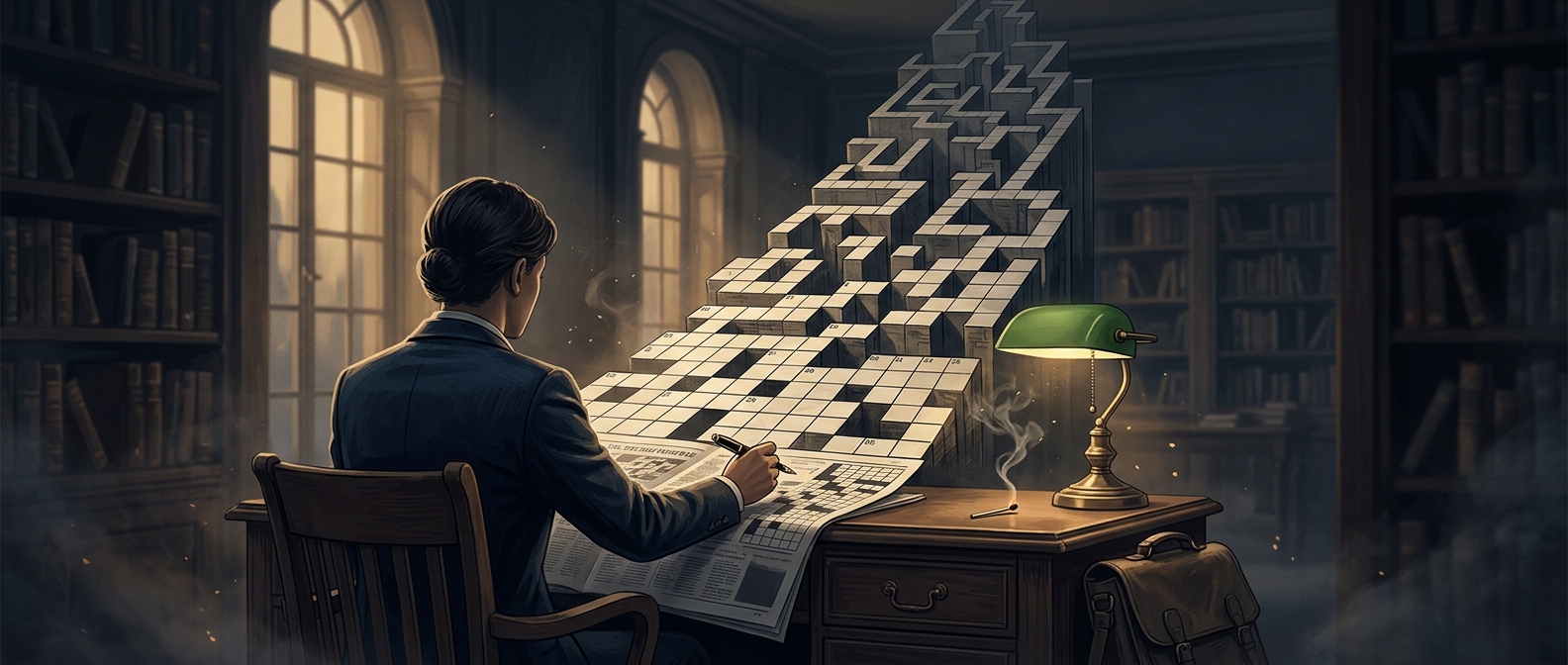
In a digital point-and-click adventure, a player explores a scene by selecting objects on a screen, testing what they do, and piecing together clues. The Japanese publication behind the early escape-room idea carried that logic into a physical room: instead of moving a cursor, participants searched the space; instead of clicking an item, they handled it.
That change sounds simple, but it altered the puzzle’s basic material. A screen can make an object glow, reveal a hidden compartment with an animation, or accept a precise click. A room has to communicate through things people can actually see and touch. Designers therefore need clues that are noticeable without being obvious, objects that invite investigation, and solutions that work in the real world.
From Solo Interface to Shared Room
The physical setting also changed who could play and how. A computer adventure often gives one person control of the cursor. In a room, several people can inspect different corners, compare discoveries, and combine partial clues. The challenge becomes not just solving a sequence of puzzles, but coordinating attention: one player may find a symbol while another notices where it fits.
The room’s limits become part of the design. Its objects and clues must support a clear chain of progress, and participants need enough information to recognize when a puzzle has been solved. A successful room makes exploration feel open while quietly guiding players toward a finish.
That translation helped turn a screen-based genre into a social event. The memorable shift was not merely that people could step inside a game; it was that the room itself became the interface, and the players became the ones clicking through it.