How Weapons Production Enters the National Accounts
National output is commonly measured as gross domestic product, or GDP: the value of final goods and services produced within a country over a period. When a government orders aircraft, ammunition, or ships, the contract supports a chain of production—factory work, metal and electronics suppliers, transport, and engineering. That activity is recorded in GDP much like production for civilian customers.
The accounting measures production, not whether the finished product improves people’s daily lives. A rise in defense output can therefore raise GDP even if households have no more food, housing, or consumer goods to show for it.
The Cost Is in What Gets Crowded Out
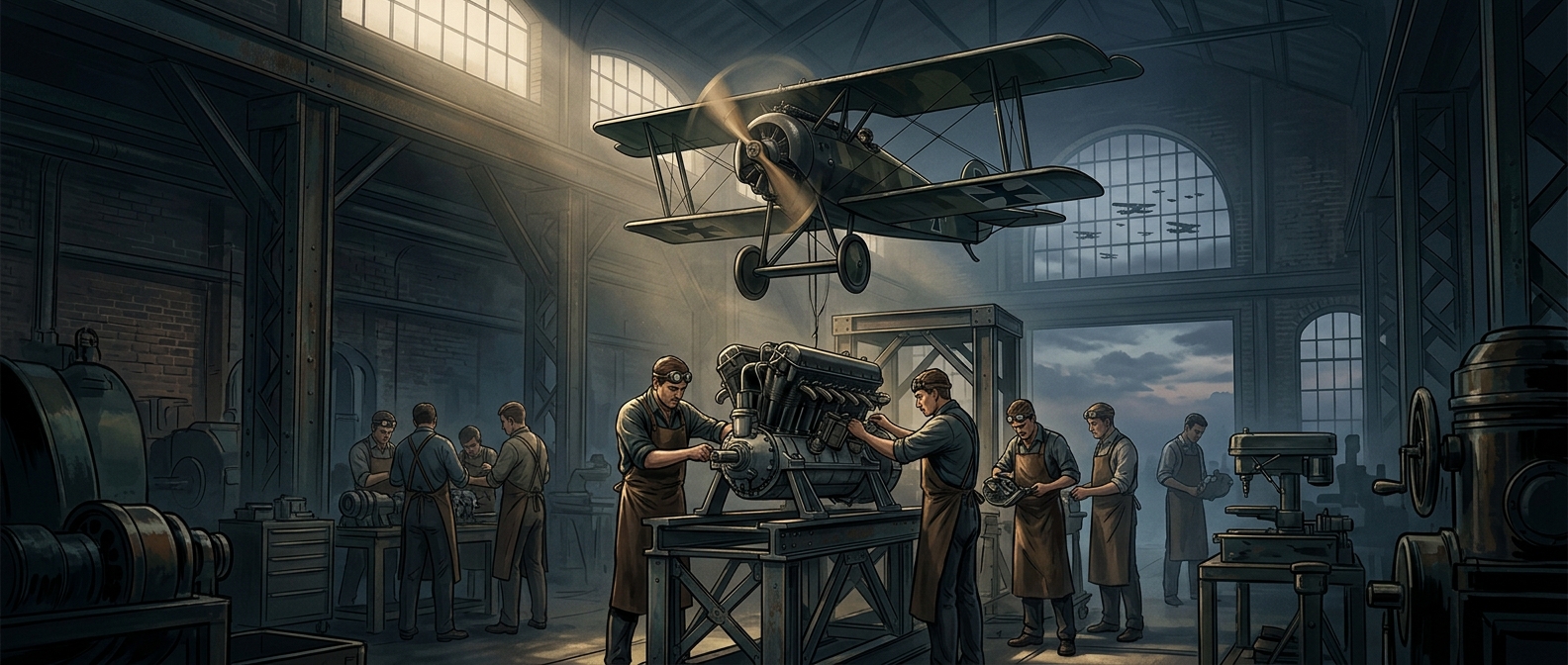
The resources behind a weapons program are not unlimited. Workers, materials, factory space, and public funds used for defense cannot simultaneously be used for other purposes. If a plant shifts from civilian machinery to military equipment, the change may alter what the economy produces even when the total measured output rises.
That tradeoff is not always a simple one-for-one swap: an economy with idle workers or underused factories may expand production when government orders arrive. But when resources are already stretched, larger defense demand can compete more directly with civilian production or other public priorities. How the spending is financed—through taxes, borrowing, or cuts elsewhere—also shapes who bears the cost.
GDP Does Not Measure the Whole Return
Military equipment may serve a security purpose, but GDP records its production rather than the protection it might provide. Nor does the headline total show what alternative investment was forgone. A higher GDP can describe more production without showing whether that production made the country better off overall. The telling question is not only how much the economy made, but what the same workers and materials could otherwise have made.