Why One Slap Took So Many Takes
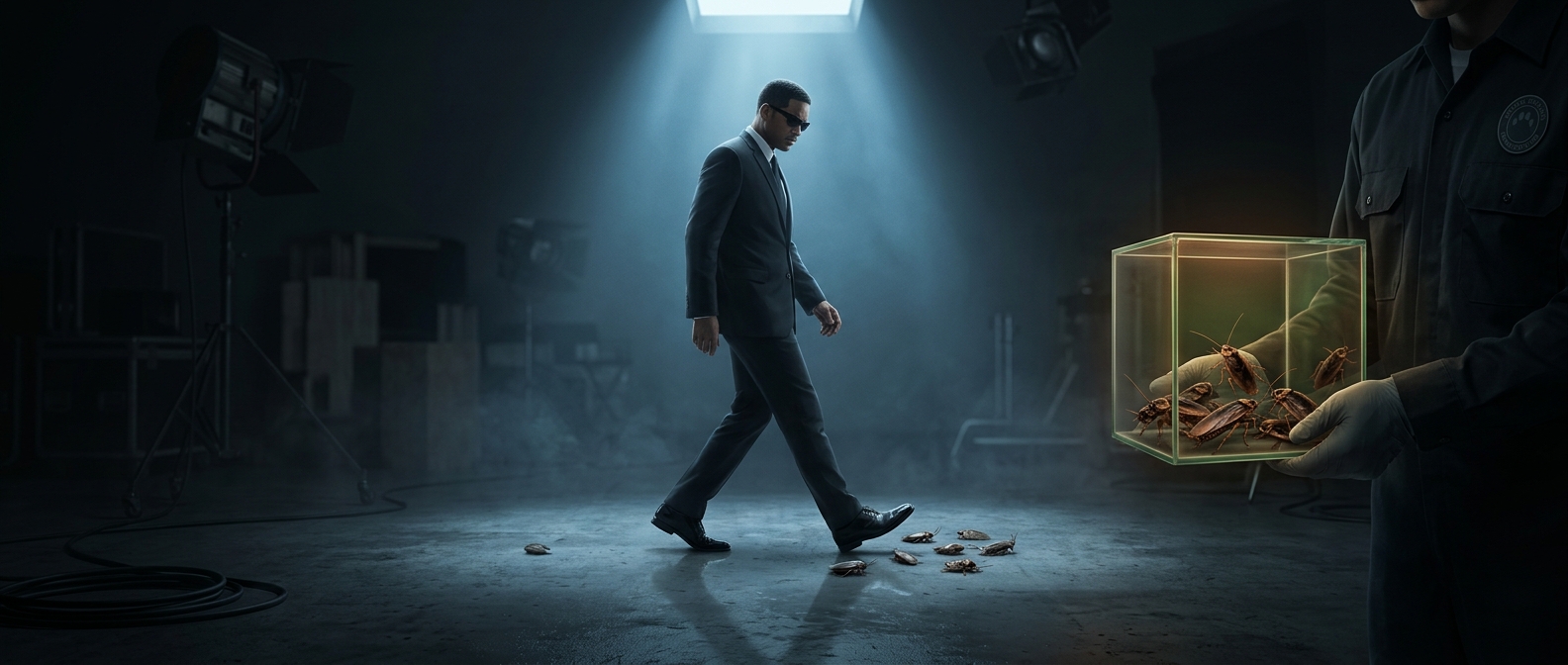
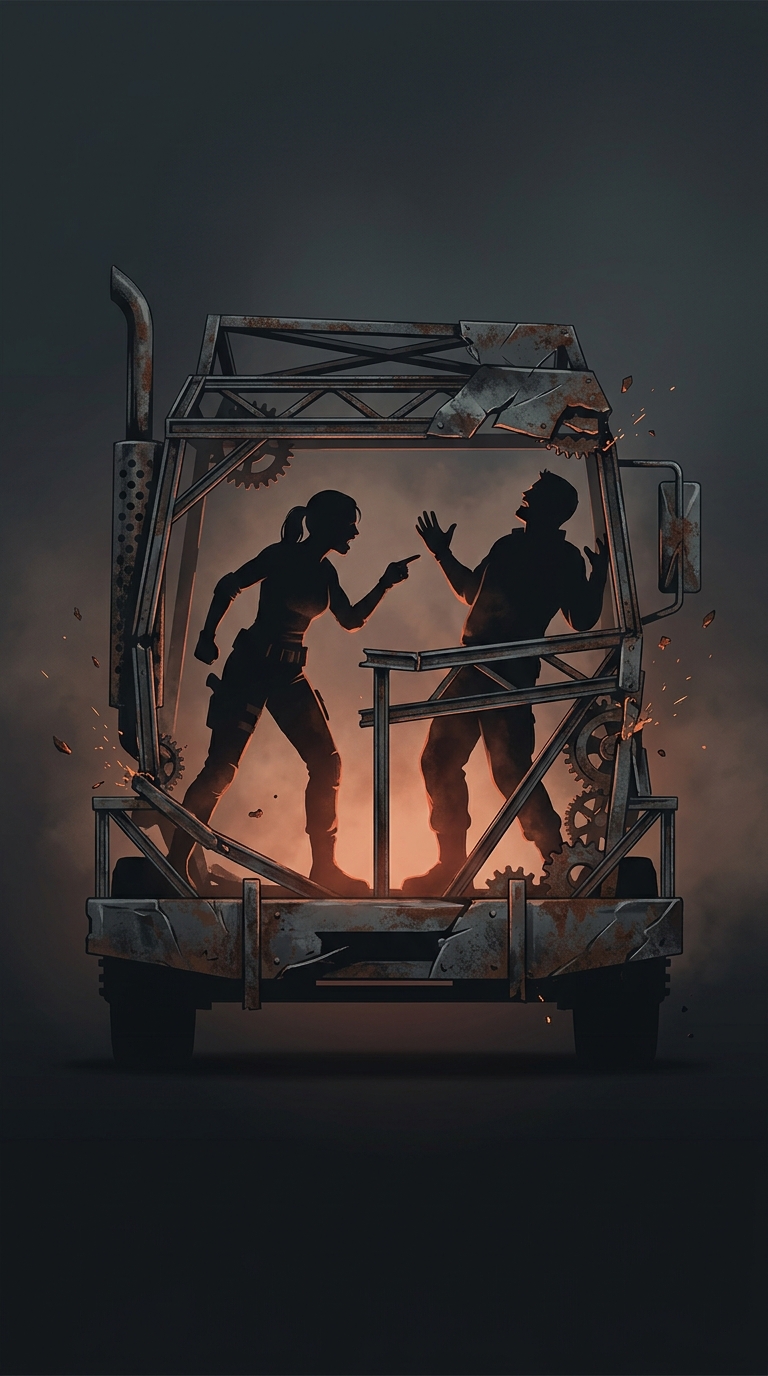
A single moment on screen may need to be filmed more than once—not because the story repeats, but because the editor needs different views of the same action. Carrie Fisher’s slap of Oscar Isaac was filmed from multiple angles, requiring Fisher to repeat it more than 40 times.
Each camera setup gives the editor a different piece of the scene: perhaps a view of the person delivering the slap, a reaction shot, or a wider shot that shows both performers. Those pieces can then be cut together so the action feels immediate and clear. A take that works from one angle may not match the timing or performance needed for another.
Making the Action Read on Screen
A filmed slap is a piece of choreography, not simply an unscripted blow. Performers coordinate the movement so it looks forceful from the camera’s viewpoint while keeping the action controlled. The cut, sound, and reaction help sell the impact; the audience experiences one sharp moment even though the crew may record it in separate passes.
Repeating the movement also means maintaining continuity—the details that must match across shots. The actors need to return to the same positions and emotional beats, and the action must appear to happen with consistent timing. Otherwise, the edit can feel jumpy or the slap can seem to land differently from one view to the next.
The more-than-40 repetitions are a reminder of how much work can hide inside a brief screen moment: the audience sees one slap, but the finished scene is assembled from performances designed to fit together.