How sharp shards become smooth pebbles
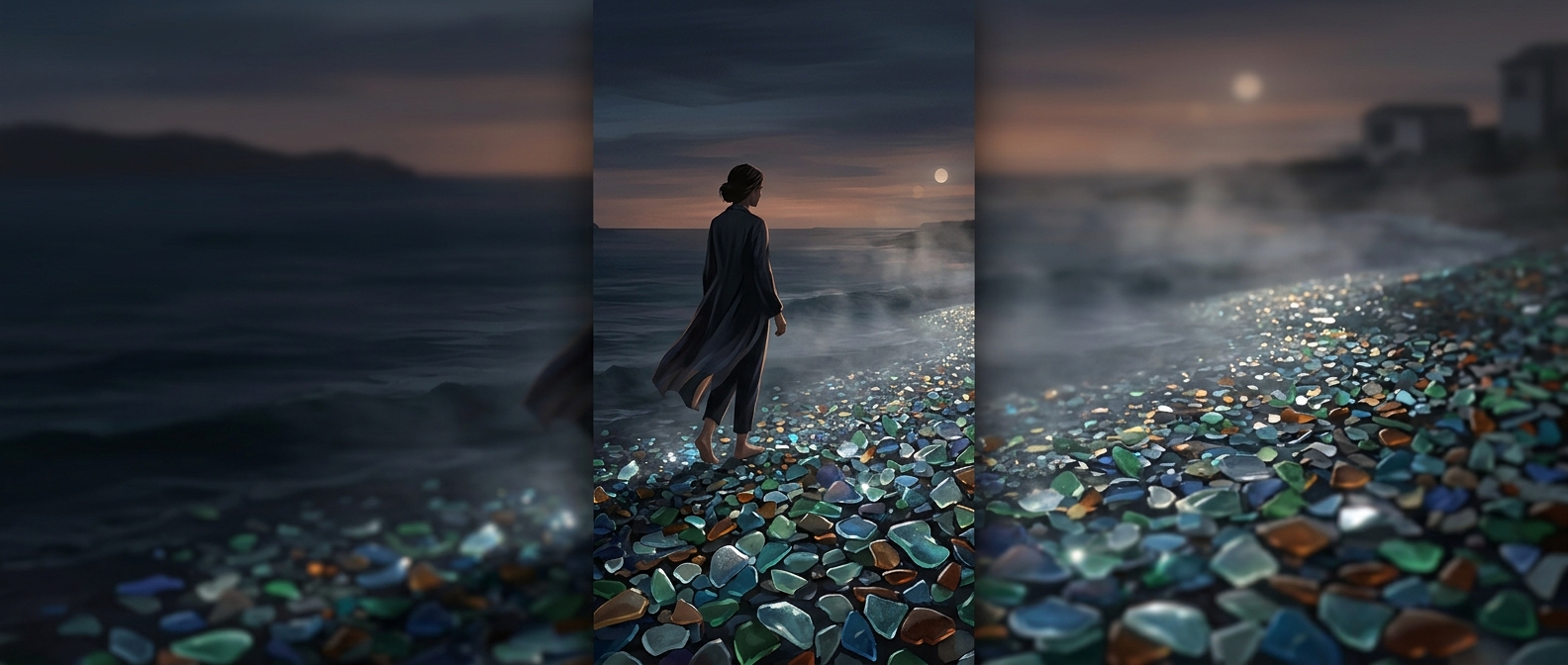
Broken glass does not soften in seawater. Instead, waves repeatedly roll it against sand, rocks, and other fragments. That grinding wears down sharp edges and gives each piece a frosted surface. The process can take years, and the finished pebbles vary in color according to the glass that entered the water.
A beach shaped by what people threw away
These shores are a visible record of past disposal: bottles and other glass were discarded near the coast, then weather and surf reshaped the waste. What looks like a naturally colorful shoreline is therefore also an altered landscape. The waves have changed the glass’s form, but they have not made the history behind it disappear.
Why the glass is worth leaving in place
Once rounded, the pieces can look like polished stones, which helps make a glass beach a draw for visitors. But each handful taken away removes part of a finite deposit; new smooth pebbles form slowly, and fresh dumping is not a way to maintain the attraction. The beach’s unusual beauty depends on a long process—and on the remnants of an environmental problem—so its colors are best enjoyed where the waves left them.