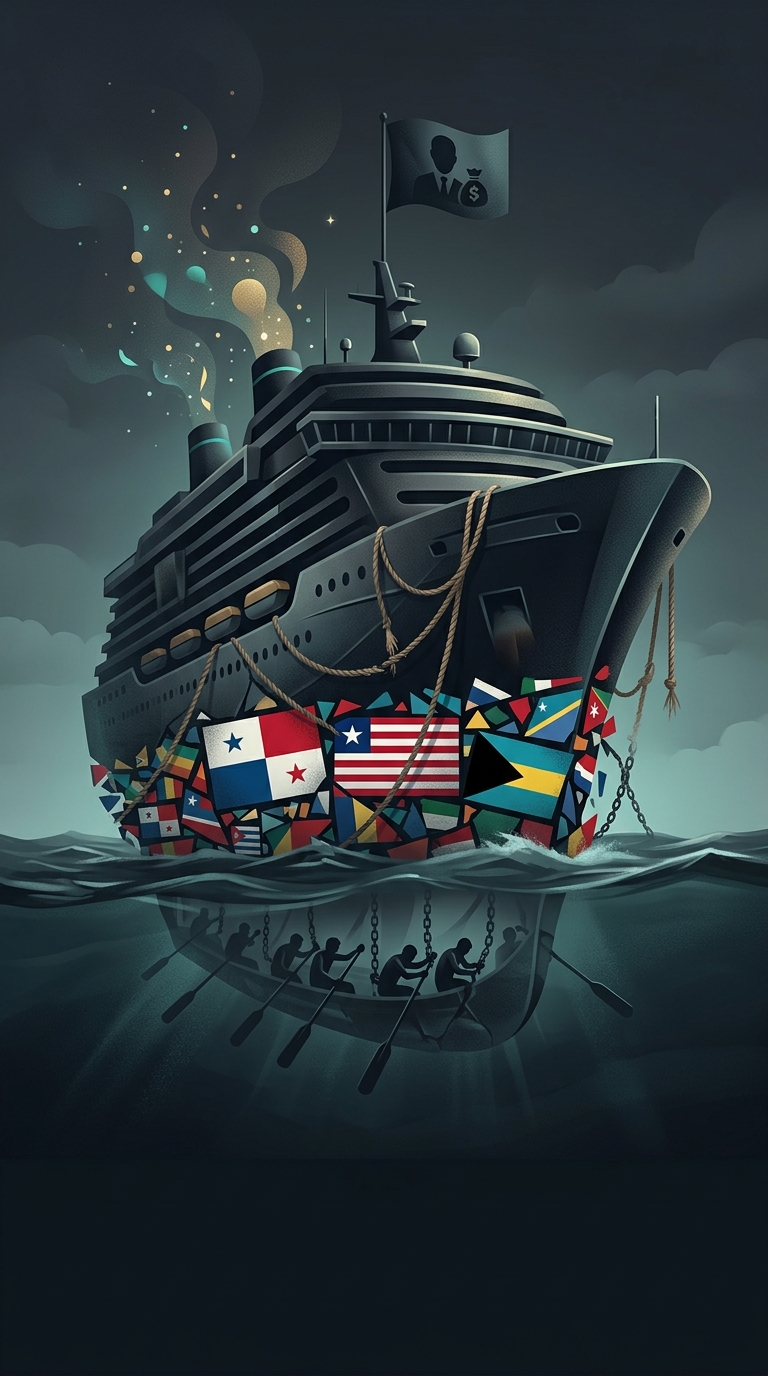
A ship’s flag is its legal home at sea
A cruise ship’s flag is more than a mark painted on the stern. The country whose flag it flies is the ship’s flag state: it registers the vessel and is responsible for overseeing its safety, crew conditions, and compliance with maritime rules, including international environmental standards.
Many cruise ships use “open registries,” which allow companies based elsewhere to register vessels there. The arrangement separates a ship’s legal nationality from the country where its cruise line is headquartered, sells trips, or has its principal customers. Registry fees and administrative requirements can make some jurisdictions attractive to shipowners.
Why the arrangement matters
Registration can shape which authorities inspect a ship and how its rules are enforced. International standards set a baseline, but flag states must put those rules into practice and supervise vessels on their registers. Enforcement can vary, which is why a flag of convenience may offer a company more flexibility than registering under the country where it operates or is based.
That does not mean a ship is beyond other countries’ reach. Ports can inspect visiting vessels and detain them for certain violations, while coastal states have authority in waters under their jurisdiction. Still, a ship spends much of its life moving between jurisdictions, so the flag state remains central to its oversight.
Registration also should not be confused with a cruise company’s corporate tax arrangements. A vessel’s flag determines its maritime legal framework; a company’s tax obligations depend on its corporate structure and the laws that apply to it. The practical consequence is that a ship can carry passengers around the world while its legal supervision is anchored in a country its guests may never visit.