Why an Overshare Can Feel Different Later
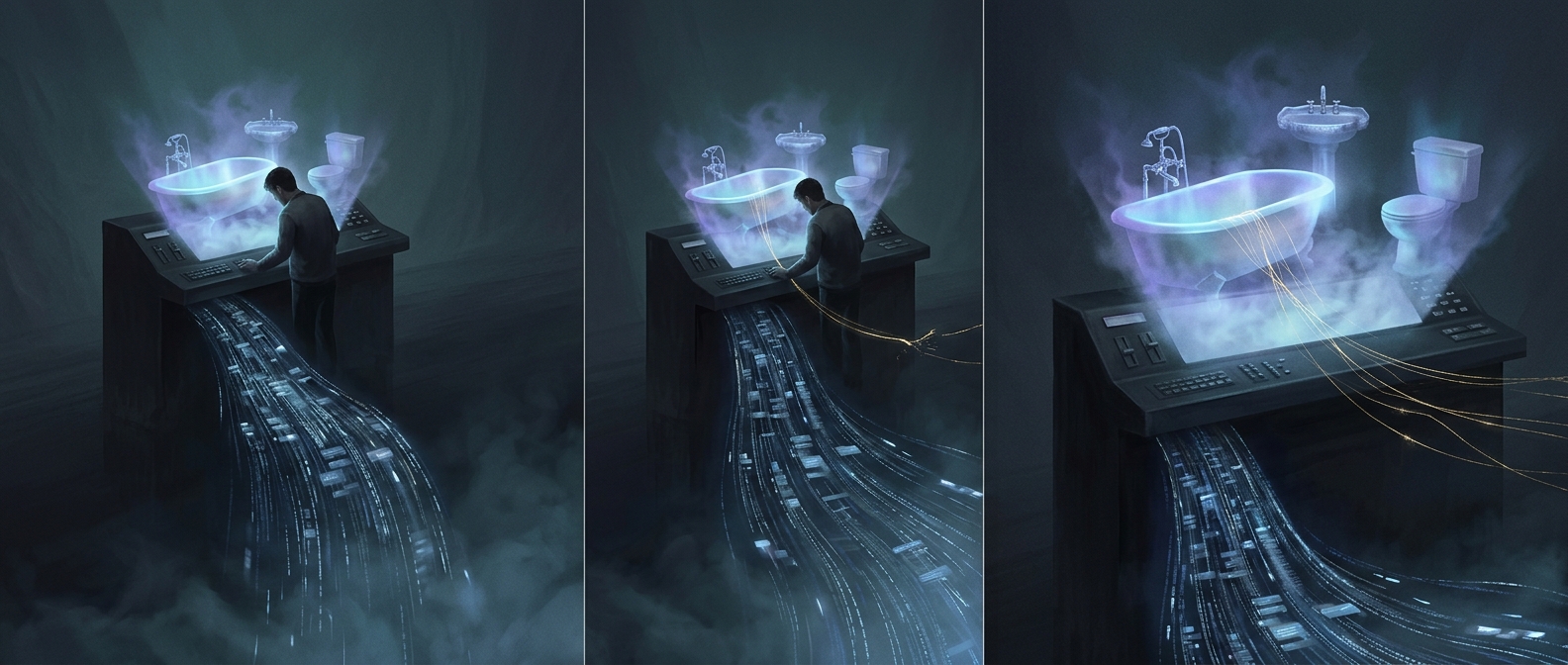
A bathroom detail may feel harmless while it is being typed: the audience seems familiar, the moment feels immediate, and a candid post can earn a quick laugh or a sympathetic reply. That reaction rewards disclosure. The brain registers the response now, while the possibility that a different audience will see the post later is distant and abstract.
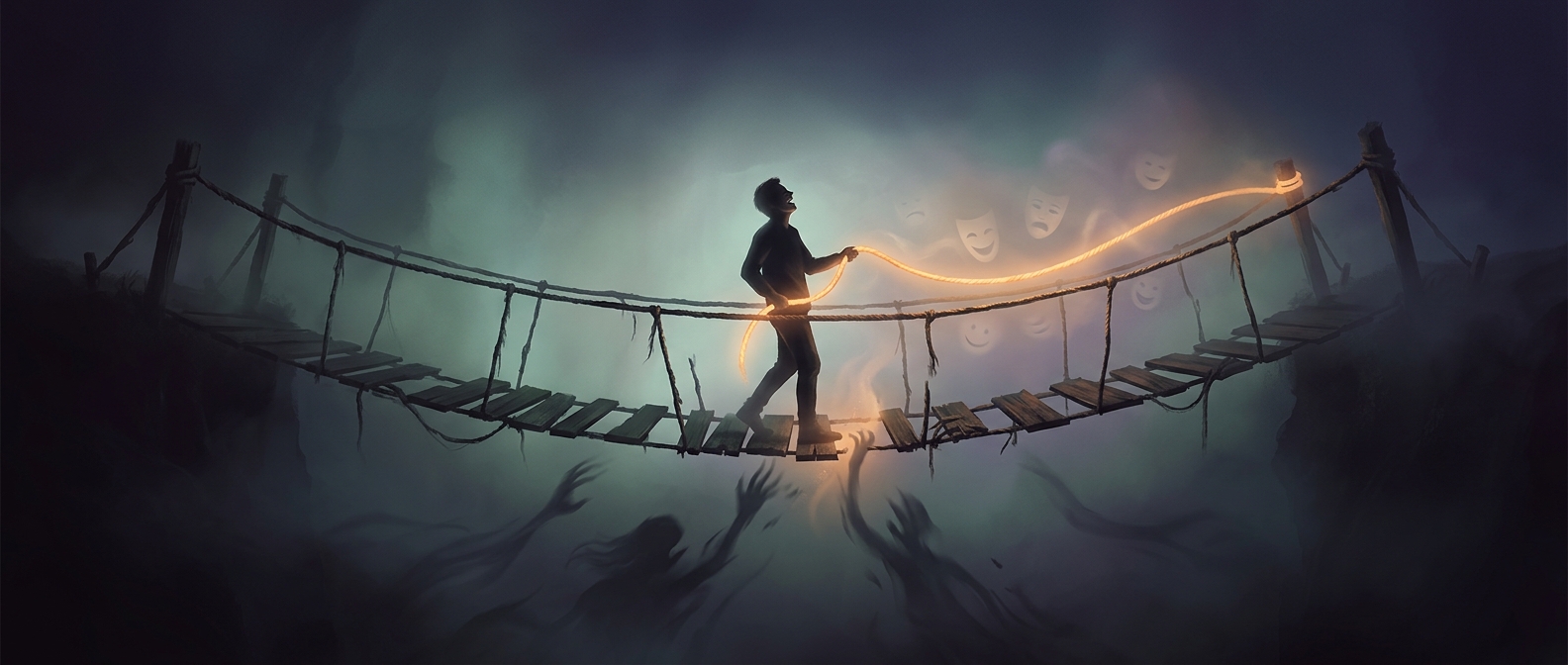
This is a mismatch between the audience imagined at posting and the audiences a post can actually reach. Friends, coworkers, relatives, and strangers may encounter the same words, but they bring different expectations about what belongs in public. Communication researchers call this “context collapse”: separate social circles converge on one shared message. A detail that reads as playful among close friends can seem intrusive or embarrassing elsewhere.
The Future Self Becomes Another Audience
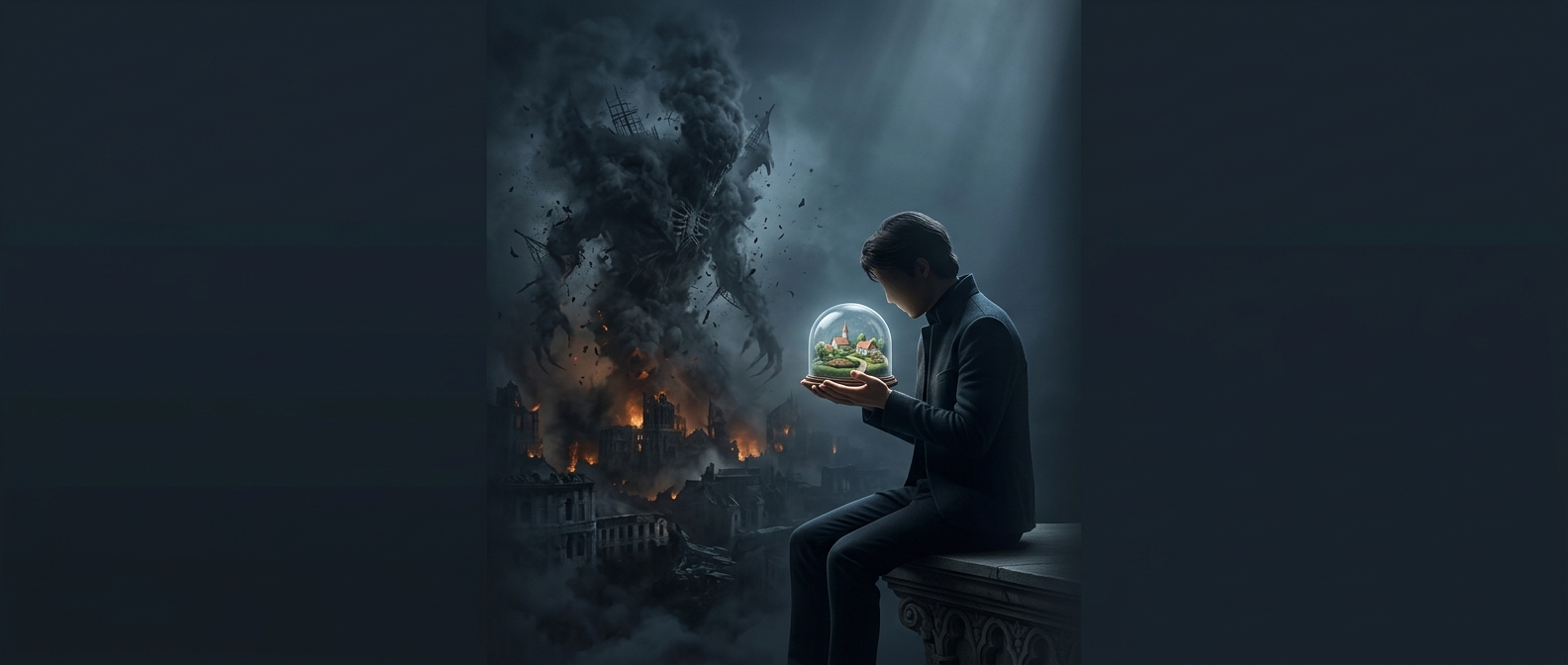
Regret can also grow as a person’s identity changes. The writer who posted in a moment of stress, humor, or oversharing may later feel that the post represents them poorly. The words have not changed; the person’s standards, relationships, or sense of privacy may have.
That is why the discomfort is not only about who saw the post. It can come from seeing an old, unguarded version of yourself displayed without the surrounding mood or conversation. A screenshot or search result can detach a remark from the setting that made it seem natural, leaving the most intimate detail to stand on its own.
The lasting sting, then, comes from a small but consequential gap: the post belongs to the person who made it, but its later meaning is shaped by whoever encounters it—and when.