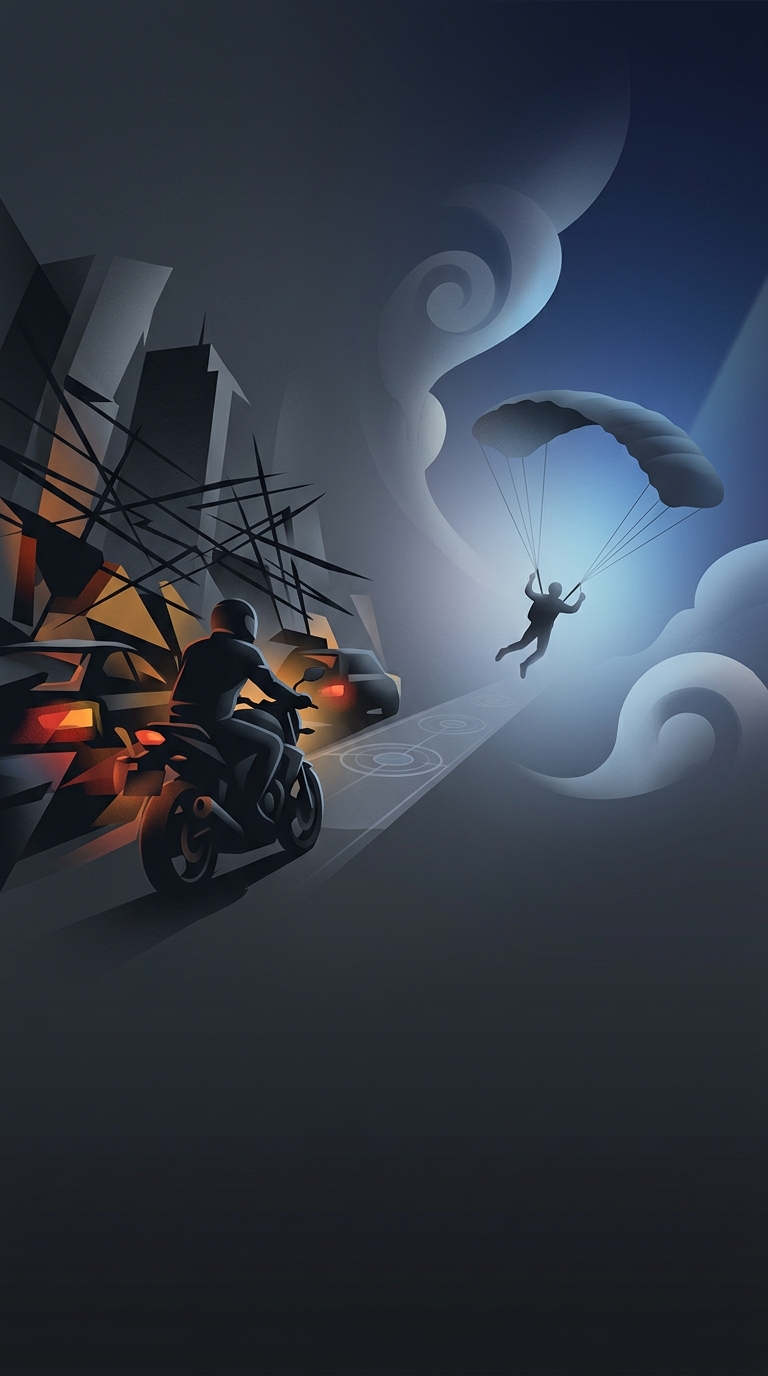
Why the Daily Ride Can Be Riskier Than the Dramatic One
A commute on a motorcycle combines two hazards: repeated exposure to traffic and little physical protection if something goes wrong. A rider travels among cars, trucks, and buses whose drivers may change lanes, brake suddenly, or overlook a motorcycle. The bike’s small profile can make it harder for other drivers to notice, while its lack of a surrounding structure leaves the rider more exposed in a collision.
That makes the danger different from the image of a high-adrenaline stunt. A commute may feel routine, but each trip adds time in a setting where other people’s decisions can affect the rider. A single mistake by a driver can have consequences that a steel-bodied car might absorb more effectively.
Repetition Changes the Risk
Risk comparisons depend on how they are measured: per trip, per hour, or across a year of repeated activity. Recreational skydiving is an unusual event; commuting happens again and again. Even if each journey feels ordinary, regular exposure means the rider repeatedly encounters traffic, intersections, lane changes, and unpredictable braking.
The practical implication is that everyday habits matter. Staying visible, leaving space, and anticipating that a driver may not see the motorcycle cannot eliminate the danger, but they can reduce the chances that a routine ride becomes a crash. The commute’s familiarity is precisely why its risks are easy to underestimate.