What a traffic stop measures
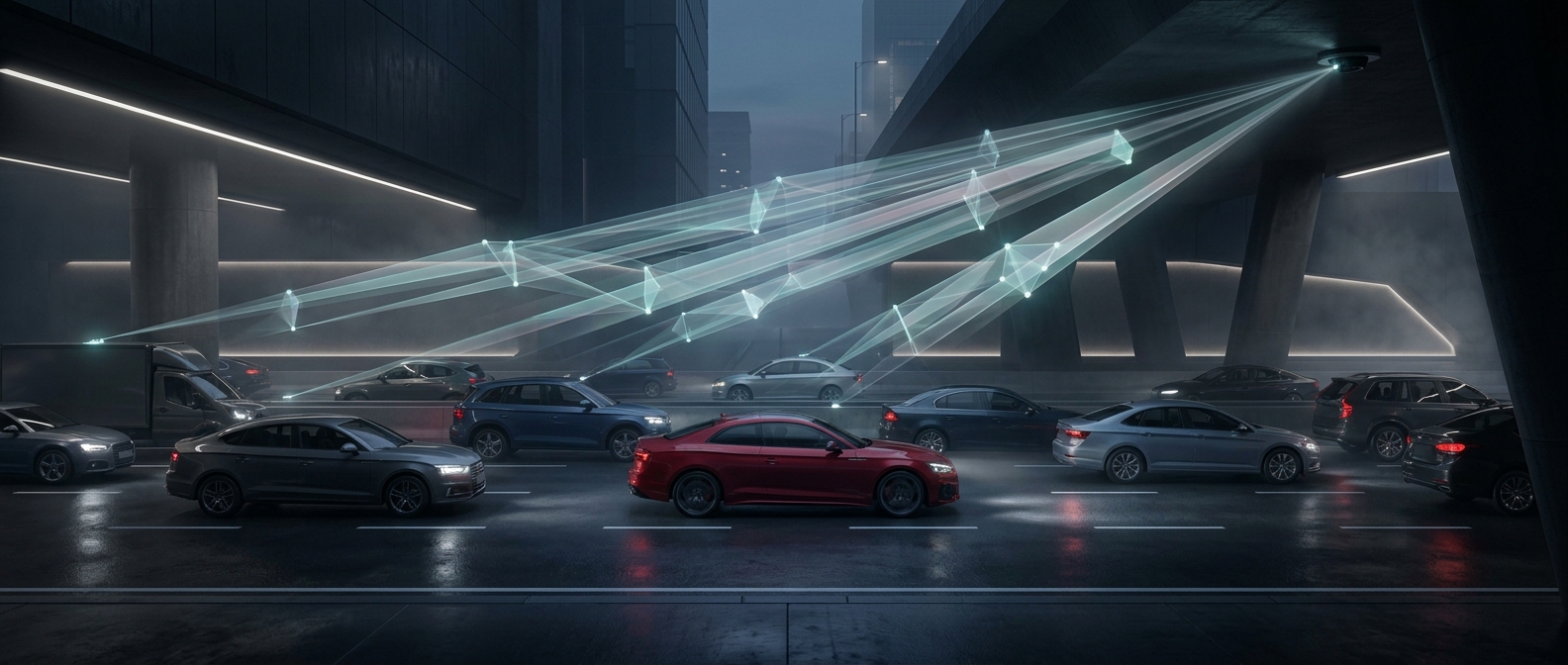
A speeding citation begins with evidence that a vehicle exceeded a limit—not with a judgment about its paint. Radar and lidar devices estimate a vehicle’s speed using radio waves or pulses of light; an officer may also pace a car by matching its speed. In each case, the relevant question is how fast the vehicle was moving, not whether it was red.
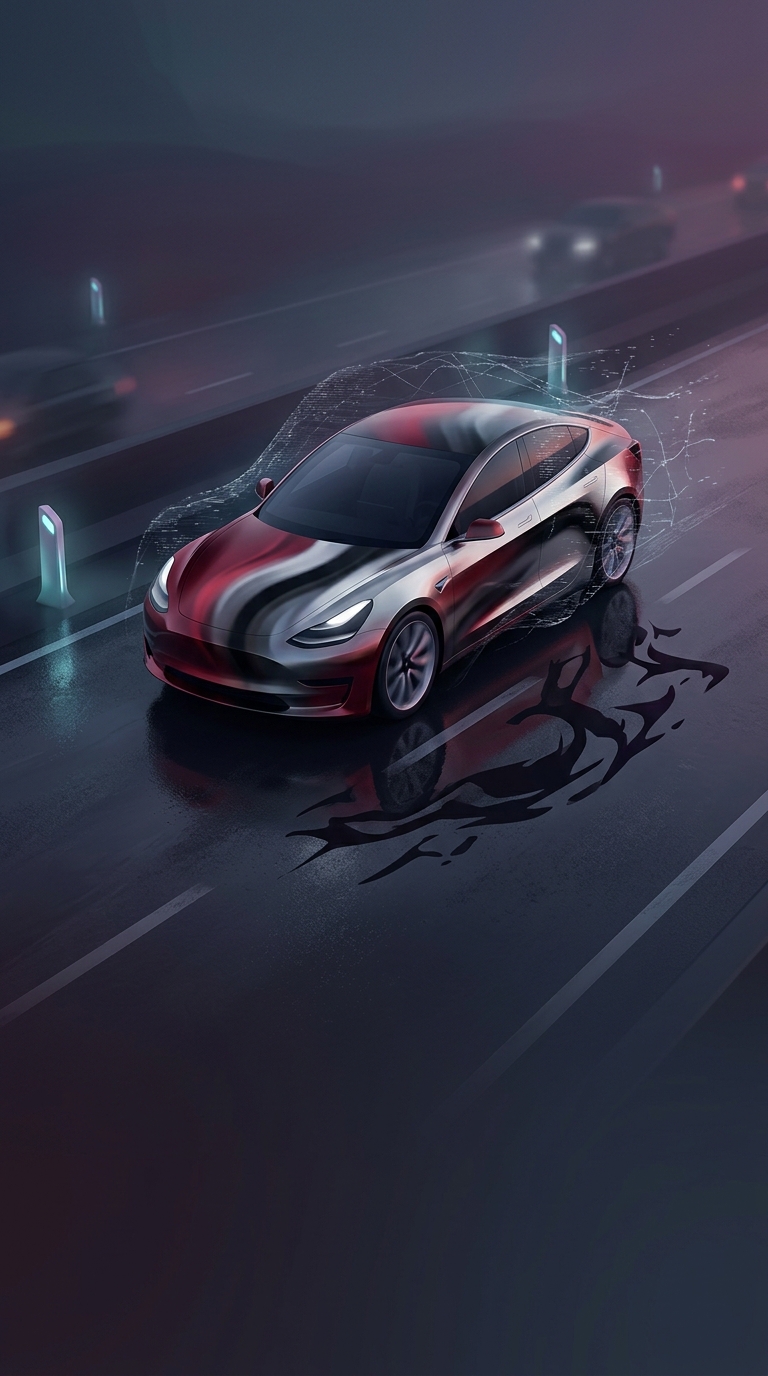
Color can make a car more noticeable, but notice alone does not establish speeding. A conspicuous car still has to be observed violating a rule and identified as the vehicle responsible. The studies described in the fact find no extra ticket penalty associated with red paint.
Why the impression can persist
Red is easy to remember, especially when it appears on a sports car or in a dramatic driving scene. That can make a few memorable examples feel like a pattern. But a car’s color is only one feature among many, and ticket totals also depend on how much a vehicle is driven, where it is driven, and how its driver behaves. Raw anecdotes cannot separate those influences.
The practical lesson is less about paint than about the driver’s choices: a red car is not inherently more likely to be ticketed for speeding. A speedometer, road conditions, and the posted limit matter far more than the color an officer sees.